La caída a largo plazo de suministro de Qatar no provocará escasez, pero se notará en la factura del gas
Apenas el 3% del gas licuado que importa España viene del emirato, con Italia y Bélgica como los más afectados en Europa
Current Access Level “I” – ID Only: CUID holders, alumni, and approved guests only
Get the latest as our experts share their insights on global energy policy.
The war in Iran has significantly enhanced Latin America's geopolitical advantage as a reliable source of hydrocarbon resources.

Hear in-depth conversations with the world’s top energy and climate leaders from government, business, academia, and civil society.
During President Trump’s second term, the administration has taken unprecedented action in the US private sector. The federal government’s investments in critical mineral mining and chip manufacturing are...
Find out more about our upcoming and past events.
This roundtable is open only to currently enrolled Columbia University students. To register, you must sign in with your UNI. The Center on Global Energy Policy at Columbia...

Past Event
April 30, 2019
6:30 pm - 8:30 pm
Location: The New School 2 West 13th Street (M104, The Bark Room) New York, NY 10011 Career Strategy – Why Just Doing the Work Won’t Work for Professional Women You’ve worked so hard. You have an advanced degree from an exceptional school. You’ve continued to work hard at your job. Is that enough to get you the career you want? It should. But you need to support your hard work with a little strategic thinking. Knowing who you are as a leader, combined with proven career strategy techniques, can be the ticket. Claire Steichen has spent 10 years coaching hundreds of high-achieving women, and two decades working in sales and marketing at the world’s largest beauty multi-nationals. Claire has developed the I to the 4th Power* approach. By knowing what you bring to the table and how organizations work, you can strategize what you want and how to get there. Join the center on Global Energy Policy’s Women in Energy program in this workshop where you will: • Get clear on your target and why you want it. Here’s a clue: it naturally emerges from your story • Stop comparing yourself to others and create your own roadmap • Learn the self-care techniques that will keep you confident in your plan and on track *I to the 4th Power gains effectiveness from the sequencing of its elements: Impact, Influence, Initiative and Innovation. Beginning with yourself and working outward, you gain deep self-awareness. You learn to self-manage and communicate effectively. You are more confident in taking initiative and more resilient to the feedback that will make you grow as a leader. You are able to work autonomously to feel ultimate motivation. This event is for current energy professionals. Registration is required. Since space is limited, RSVPs will be accepted on a first-come basis until capacity is reached. Dinner will be provided. For more information contact: [email protected]
This roundtable is open only to currently enrolled Columbia University students. To register, you must sign in with your UNI. Join the Center on Global Energy Policy’s Women...
This roundtable is open only to currently enrolled Columbia University students. To register, you must sign in with your UNI. The Center on Global Energy Policy (CGEP) at...

This roundtable is open only to currently enrolled Columbia University students. To register, you must sign in with your UNI. The Center on Global Energy Policy at Columbia...
On February 28, the United States and Israel launched an attack on Iran, resulting in the deaths of Iranian Supreme Leader Ali Hosseini Khamenei and senior Iranian leaders...


The war in Iran has significantly enhanced Latin America's geopolitical advantage as a reliable source of hydrocarbon resources.
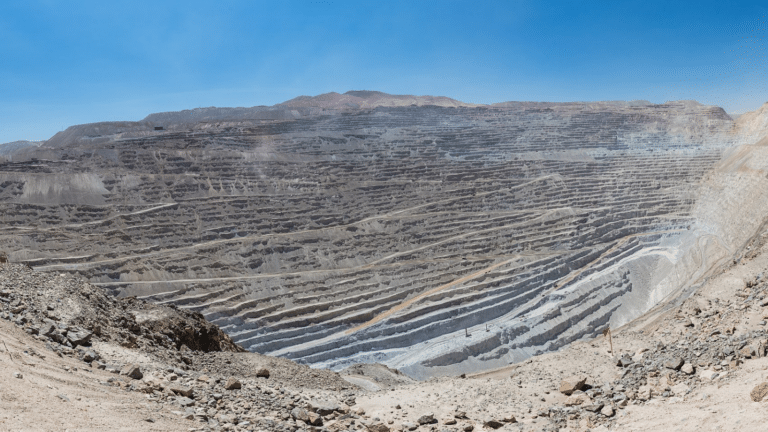
Universidad Adolfo Ibáñez (UAI) Business School, in collaboration with CGEP, organized two closed-door roundtables in the summer of 2025 to discuss local community engagement in the context of lithium and copper extraction within the global energy transition.
On March 20, Governor Kathy Hochul proposed significant changes to New York’s Climate Leadership and Community Protection Act (CLCPA), the landmark climate law passed in 2019.