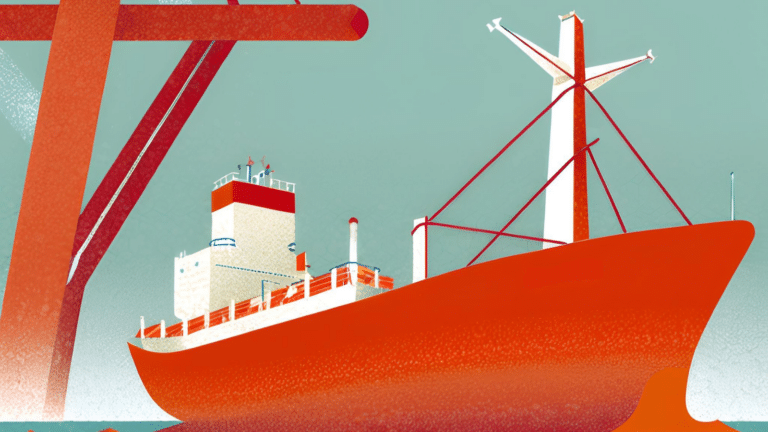
“Ce serait suicidaire” : pourquoi l’Europe redoute sa dépendance au gaz américain
Au rythme actuel, les Etats-Unis pourraient fournir 80 % du GNL dont les Européens ont besoin en 2030. Bien trop risqué dans un contexte géopolitique tendu.
Current Access Level “I” – ID Only: CUID holders, alumni, and approved guests only
Past Event
September 28, 2016
9:00 am - 10:30 am
Please join the Center on Global Energy Policy’s Women in Energy program for a company overview and lunch at ICF International. ICF International helps public- and private-sector clients develop comprehensive energy strategies and establish sustainable programs to deliver and maintain energy. You will meeting with the following energy experts: Kimberly Dragoo, Principal at ICF serving as senior member of the leadership team for the eastern region Madeline Kostic, Senior Associate within the Energy Efficiency practice at ICF International & SIPA Alumna Daphany Sanchez, Account Manager at ICF International working on projects such as the NYC Clean Heat and NYC Retrofit Accelerator This is event is off-campus ICF International 40 Wall Street, Suite 3400 New York, NY 10005 This event is open only to current female students. Since space is limited, RSVPs will be accepted on a first-come basis until capacity is reached. Please RSVP only if you can commit to attending.
This workshop will be conducted in two parts: Part one on February 16 from 1:00 PM to 2:00 PM EST, and Part two on February 18 from 1:00 PM to...
Join the NYU SPS Center for Global Affairs, the Center on Global Energy Policy at Columbia University SIPA Women in Energy Initiative (WIE), and the NYU SPS Energy,...
The Center on Global Energy Policy (CGEP) at Columbia SIPA and the Fashion, Energy, and Climate Network invite you to join the first session of our new talk...
The Center on Global Energy Policy at Columbia University SIPA is pleased to host a virtual webinar with experts from Kenya, India, and Brazil to discuss and better understand the landscape...
The decline of domestic fossil fuel production in the United States poses serious economic risks for communities that rely on fossil fuel industries for jobs and public revenues. Many of these communities lack the resources and capacity to manage those risks on their own. The absence of viable economic strategies for affected regions is a barrier to building the broad, durable coalitions needed for an equitable national transition to cleaner energy sources.
The United States is at a rare inflection point for nuclear energy, with unprecedented momentum behind deployment and regulatory reform as nuclear becomes central to energy security, AI competitiveness, and state and corporate climate goals.
Multiple US–Iran conflict scenarios carry materially different risks for global oil infrastructure, transit routes, and prices.