The Next Big Energy Trade After Oil · Ira Joseph
For most of its life, US natural gas was a purely domestic price. It answered American weather, American production, American supply. That is changing fast.T...
Get the latest as our experts share their insights on global energy policy.
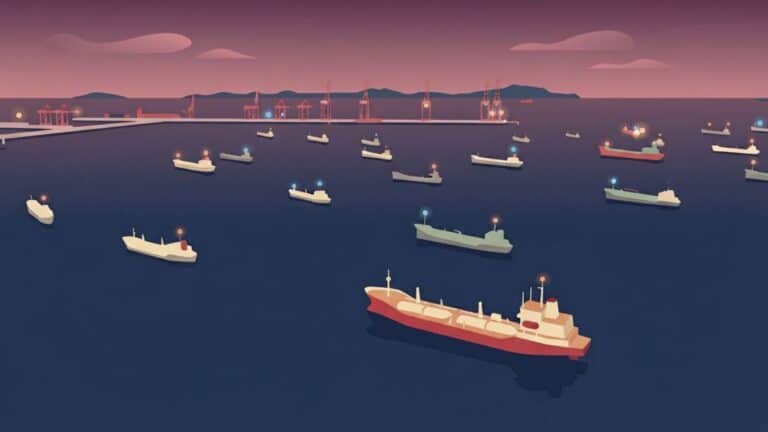
The Iran crisis, whenever it ends, will materially change how the LNG market operates.
Hear in-depth conversations with the world’s top energy and climate leaders from government, business, academia, and civil society.
Nearly a month after a ceasefire, the US-Iran deal seems to have all but collapsed as both nations have slipped back into active conflict. On Sunday, Tehran announced...
Past Event
February 10, 2017
7:00 am - 8:30 am
Please join the Center on Global Energy Policy’s Women in Energy program for a company overview and lunch at Safari Energy. Safari Energy, a leading commercial scale solar provider, was founded in 2008 with a vision of reducing energy expenses for commercial customers while also helping the environment. Their services include: Design Financial Structuring Engineering, Procurement and Construction Operations and Maintenance Energy Solutions You will be meeting with the following experts: Theresa Baker – Project Development Associate Paige Shen – Solar Design Engineering Lead Sarah Conde – Procurement & Estimating Manager Kayla Harvey – Director of Recruitment Dan Giuffrida – VP of Project Finance To get the most out of the visit, please read more about the company on their website: Safari Energy. LOCATION: Safari Energy 989 6th Ave New York, NY 10018 This event is open only to current female grad students. Since space is limited, RSVPs will be accepted on a first-come basis until capacity is reached. Please RSVP only if you can commit to attending.
This event will take place in-person in Washington DC, at the Rayburn House Office Building, Room 2168 (Gold Room). Advance registration is required. Announcing New Columbia University Publications...
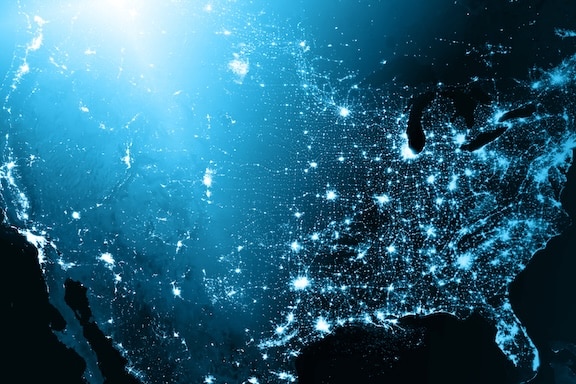
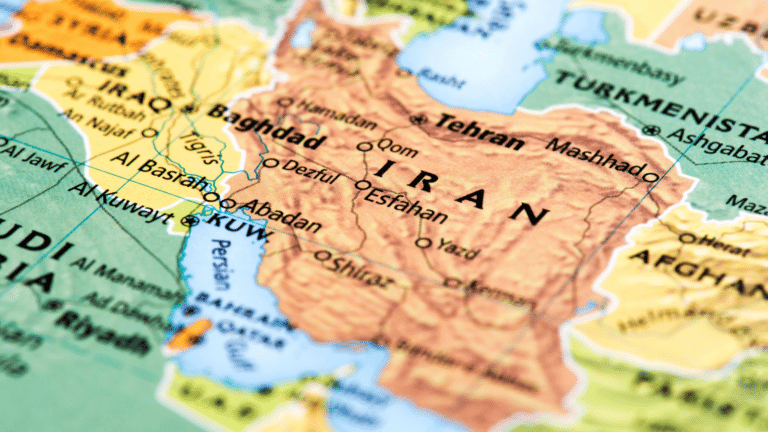
More than a month into the Iran conflict, the United States and Iran are at a critical inflection point.

This roundtable is open only to currently enrolled Columbia University students. To register, you must sign in with your UNI. Join the Center on Global Energy Policy’s Women...

This roundtable is open only to currently enrolled Columbia University students. To register, you must sign in with your UNI. The Center on Global Energy Policy (CGEP) at...

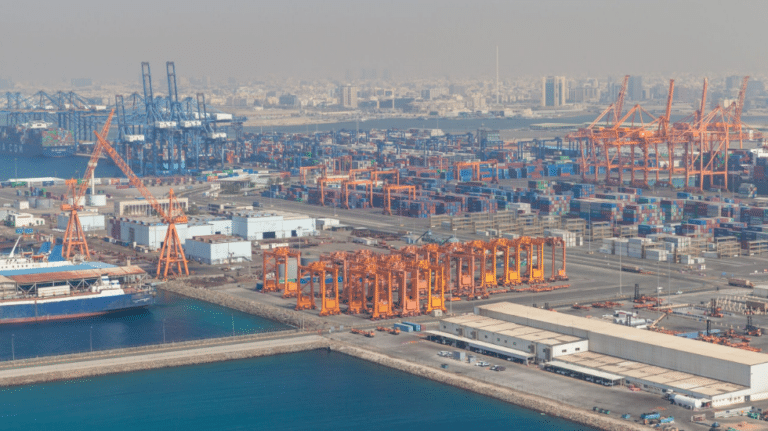
The Iran crisis, whenever it ends, will materially change how the LNG market operates.