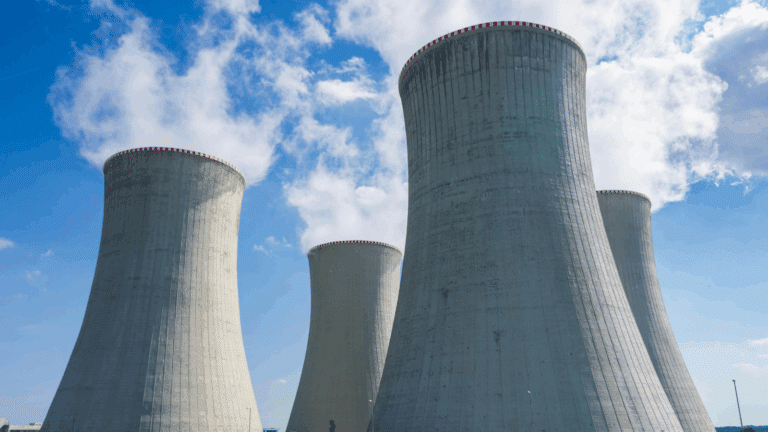
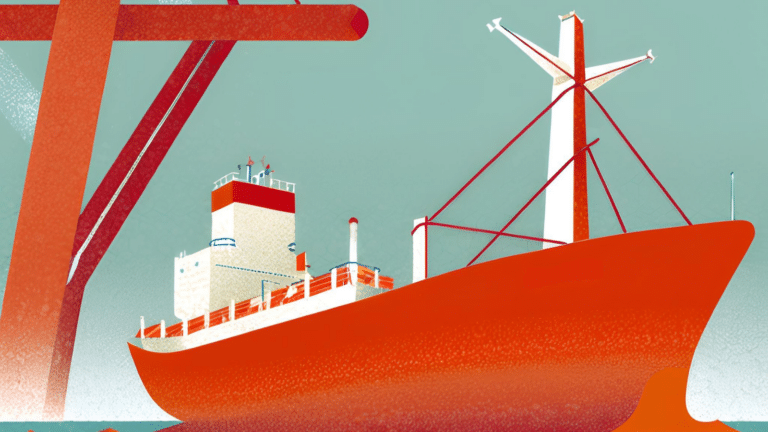
“Ce serait suicidaire” : pourquoi l’Europe redoute sa dépendance au gaz américain
Au rythme actuel, les Etats-Unis pourraient fournir 80 % du GNL dont les Européens ont besoin en 2030. Bien trop risqué dans un contexte géopolitique tendu.
Current Access Level “I” – ID Only: CUID holders, alumni, and approved guests only
Past Event
April 21, 2020
3:00 pm - 4:00 pm
This webinar is part of The Cocooning Series: Four Webinars to Help You Stay on Track During the Stay at Home Order There’s one thing I know career women want: Focus. You want a roadmap, so you can turn down the noise. So you can feel confident that you will get the things you want. And so you can be more present. I know because I’ve been hearing it from clients since 2008. What’s more…most of us find it hard to know what we want. No kidding. Join Claire Steichen, entrepreneur and coach, in this one-hour webinar where you will discover: • How to figure out what you want (it’s more straight-forward than you think) • What gets in the way, and how to manage it • The key to finding the confidence to take the first step Registration is required. The meeting link will be emailed on April 20 only to those who register for this webinar.
This workshop will be conducted in two parts: Part one on February 16 from 1:00 PM to 2:00 PM EST, and Part two on February 18 from 1:00 PM to...
Join the NYU SPS Center for Global Affairs, the Center on Global Energy Policy at Columbia University SIPA Women in Energy Initiative (WIE), and the NYU SPS Energy,...
The Center on Global Energy Policy (CGEP) at Columbia SIPA and the Fashion, Energy, and Climate Network invite you to join the first session of our new talk...
The Center on Global Energy Policy at Columbia University SIPA is pleased to host a virtual webinar with experts from Kenya, India, and Brazil to discuss and better understand the landscape...
The decline of domestic fossil fuel production in the United States poses serious economic risks for communities that rely on fossil fuel industries for jobs and public revenues. Many of these communities lack the resources and capacity to manage those risks on their own. The absence of viable economic strategies for affected regions is a barrier to building the broad, durable coalitions needed for an equitable national transition to cleaner energy sources.
The United States is at a rare inflection point for nuclear energy, with unprecedented momentum behind deployment and regulatory reform as nuclear becomes central to energy security, AI competitiveness, and state and corporate climate goals.
Multiple US–Iran conflict scenarios carry materially different risks for global oil infrastructure, transit routes, and prices.