This website uses cookies as well as similar tools and technologies to understand visitors’ experiences. By continuing to use this website, you consent to Columbia University’s usage of cookies and similar technologies, in accordance with the Columbia University Website Cookie Notice.
Energy Explained
Get the latest as our experts share their insights on global energy policy.
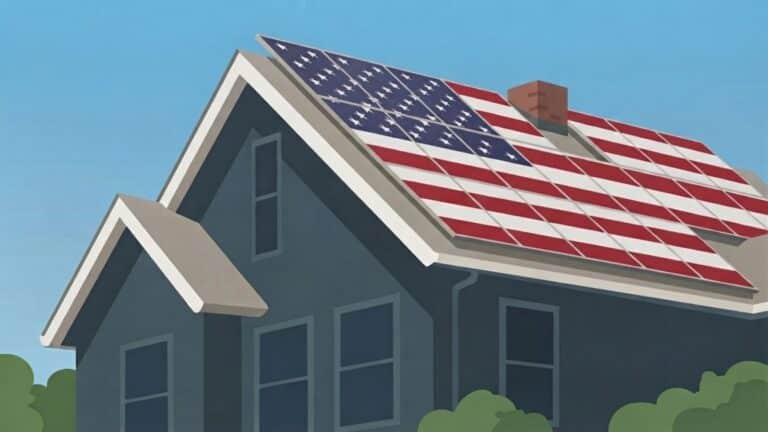
New US Tariffs on Solar Products Establish Price Floors, but Onshoring Will Require Capacity Build-out
President Trump issued a proclamation on August 6 imposing tariffs on polysilicon and solar products.
Podcasts
Hear in-depth conversations with the world’s top energy and climate leaders from government, business, academia, and civil society.
Editor’s Pick: Rajiv Shah on Delivering Universal Abundant Energy Access
Energy abundance means different things in today’s global context than it did even a decade ago. It is about expanding electricity access while meeting rising energy demand. It...
Columbia Energy Exchange Podcast
• August 25, 2026

Events
Find out more about our upcoming and past events.
September 10, 2026
• 10:00 am - 11:00 am
edt
Carbon Markets Webinar: The Path Forward for Carbon Credit Markets
PCCMs facilitate the generation, trading, and retirement of carbon credits from projects that remove, reduce, or avoid greenhouse gas emissions. By creating a revenue stream from verified climate...
Event

Weaning Europe off Russian Natural Gas
Past Event
March 2, 2022
9:00 am - 10:30 am
Zoom Webinar
Past Event
March 2, 2022
9:00 am - 10:30 am
Zoom Webinar
Related


More Events
September 10, 2026
• 10:00 am - 11:00 am
edt
Carbon Markets Webinar: The Path Forward for Carbon Credit Markets
PCCMs facilitate the generation, trading, and retirement of carbon credits from projects that remove, reduce, or avoid greenhouse gas emissions. By creating a revenue stream from verified climate...
Event
April 9, 2026
• 11:00 am - 12:00 pm
edt
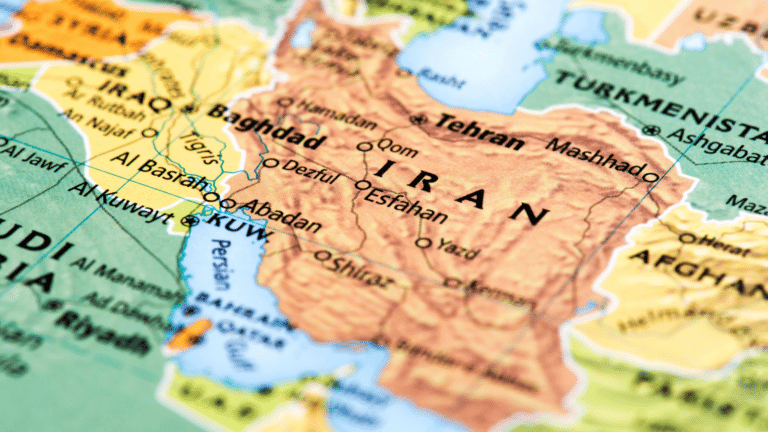
Five Weeks of Conflict with Iran: Trajectories, Risks, and Global Implications
More than a month into the Iran conflict, the United States and Iran are at a critical inflection point.
Rapid Response

March 4, 2026
• 10:00 am - 11:00 am
est
Conflict in Iran and its Impact on Global Energy Markets
On February 28, the United States and Israel launched an attack on Iran, resulting in the deaths of Iranian Supreme Leader Ali Hosseini Khamenei and senior Iranian leaders...
Rapid Response

January 29, 2026
• 8:30 am - 9:30 am
est
CGEP Presents: Project-Based Carbon Credit Markets Webinar
The Center on Global Energy Policy at Columbia University SIPA is pleased to host a virtual webinar with experts from Kenya, India, and Brazil to discuss and better understand the landscape...
Event
• Webinar
Relevant
Publications
The Long Shadow of the Iran Shock
By almost any measure, the world should be suffering a far more severe energy crisis.

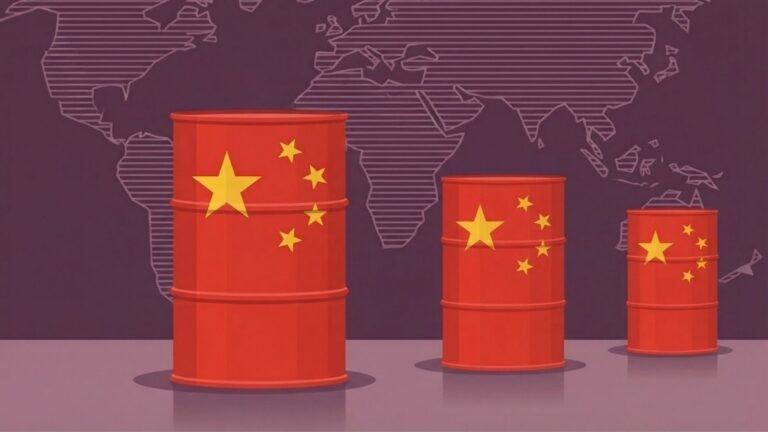
How China Is Managing Lower Oil Imports
The ongoing disruption of oil exports through the Strait of Hormuz has caused a substantial decline in China's crude oil imports.