This website uses cookies as well as similar tools and technologies to understand visitors’ experiences. By continuing to use this website, you consent to Columbia University’s usage of cookies and similar technologies, in accordance with the Columbia University Website Cookie Notice.
The clean energy transition had real momentum at the end of 2024. It was buoyed by federal support, billions of dollars of investment in new technologies, and broad...
We are the premier hub and policy institution for global energy thought leadership. Energy impacts every element of our lives, and our trusted fact-based research informs the decisions that affect all of us.
The Transition to a Low-Carbon Future: Can it be Financed?
Past Event
March 23, 2015
1:00 pm - 2:30 pm
Share
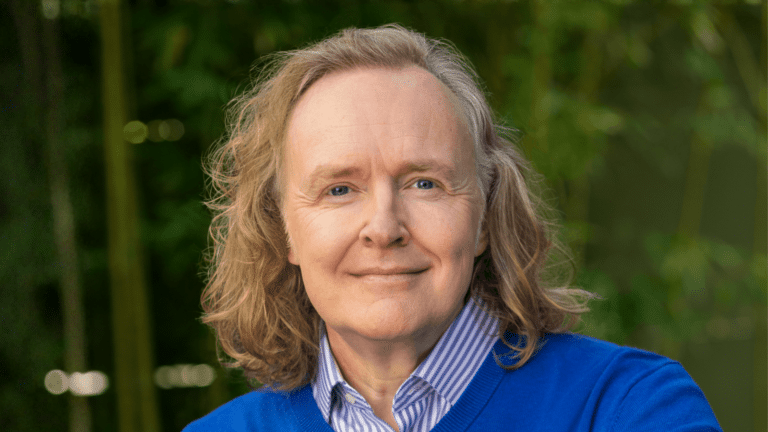
Please join the Center on Global Energy Policy for a discussion on The Transition to a Low-Carbon Future: Can it be Financed? Bill Janeway, Senior Advisor, Warburg Pincus, will discuss how investment in innovative technologiesthe financial return on which is highly uncertaincan play an important role in the transition to a low-carbon economy. What can we learn from past technological revolutions, when state programs and financial speculation combined to mobilize capital at enormous scale? Will past patterns of investment at the frontier be relevant to the challenge of addressing climate change?
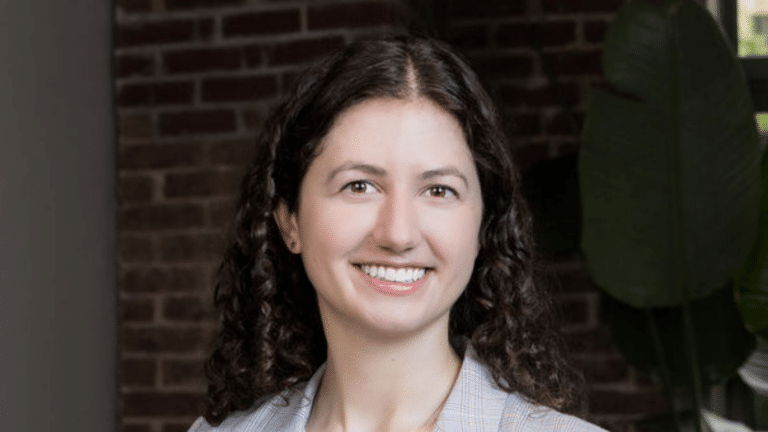
Following Mr. Janeway’s remarks, there will be a panel conversation on this topic moderated by CGEP Inaugural Fellow David Sandalow, featuring Sarah Davidson, Associate, NY Green Bank, Bill Janeway, and Dr. Kristina Johnson, Co-Founder, Chairman and Chief Executive Officer, Enduring Hydro. Registration is required for in-person attendance.
This event is open to press. It will also be livestreamed at: energypolicy.columbia.edu/watch (no registration is required to view the livestream). A podcast of this event (in addition to other past Center events) will be available ~3 to 5 days after the date of the event through iTunes or via our website.
This roundtable is open only to currently enrolled Columbia University students. To register, you must sign in with your UNI. Join the Center on Global Energy Policy’s Women...
Event
• Center on Global Energy Policy
1255 Amsterdam Ave, New York, NY 10027
This roundtable is open only to currently enrolled Columbia University students. To register, you must sign in with your UNI. The Center on Global Energy Policy (CGEP) at...
Event
• Center on Global Energy Policy
1255 Amsterdam Ave, New York, NY 10027
This roundtable is open only to currently enrolled Columbia University students. To register, you must sign in with your UNI. The Center on Global Energy Policy at Columbia...
Event
• Center on Global Energy Policy
1255 Amsterdam Ave, New York, NY 10027
CHRONIQUE. Nouvelles usines de liquéfaction et augmentation des exportations expliquent, entre autres, pourquoi les prix du gaz ne connaissent pas le pic observé en 2022, lors de l’invasion de l’Ukraine. Mais cette stabilité des prix ne traversera pas l’été, écrit Anne-Sophie Corbeau, spécialiste de l’énergie au Center on Global Energy Policy de l’Université Columbia