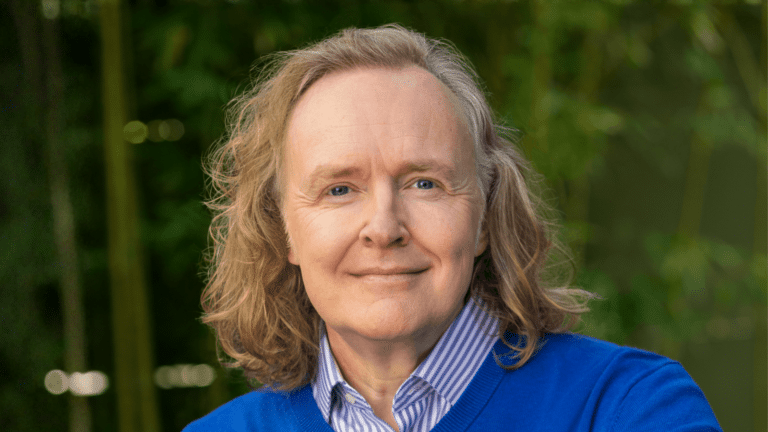
Join the Center on Global Energy Policy for a student-only roundtable with Jeroen van der Veer, former CEO of Royal Dutch Shell. During his many years in Shell, Jeroen van der Veer used a self-made, simple and transparent leadership framework. He will share the underlying thoughts of this model, how it was communicated and used in the organization, and the important role of the managers in it. This event is only open to students. Since space is limited, RSVPs will be accepted on a first-come basis until capacity is reached. Please only RSVP if you can commit to attending. Lunch will be provided. Biography Jeroen van der Veer is a Dutch national, Chairman of the Supervisory Boards of Koninklijke Philips N.V., Royal Boskalis Westminster N.V. and former Chairman of the Supervisory Board of ING Group N.V. Jeroen was appointed as Non-executive Director of Shell Company from July 2009 until May 2013. Previously, he was Chief Executive since October 2004. He was appointed President of Royal Dutch Petroleum Company in 2000, having been a Managing Director since 1997. He was a Director of Shell Canada Limited from 2003 until 2005. He was named Chief Executive in 2004 and led Shell through major change, simplifying governance and organization, while clarifying accountabilities. In 2009-2010 Jeroen was Vice-Chairman of a group of experts who advised for a new Strategic Concept for NATO. He was World President of the Society of Chemical Industry from 2002 to 2004. From 2000-2004 he served as a supervisory board member of The Dutch Central Bank. He is Advisor to Oman since 2009. He chaired ‘Platform Beta Techniek’, a governmental institute promoting education in science and technology from 2009 – 2011. He was Vice-Chairman and Senior Independent Director of Unilever (which includes Unilever N.V. and Unilever plc) to May 2011. In October 2012 he became Chairman of the Rotterdam Climate Initiative. As of July 1st 2013 Jeroen became Chairman of the Supervisory Council of the Technical University of Delft (Raad van Toezicht TU Delft). In March 2016 Jeroen became member of the Supervisory Board of Equinor ASA. Jeroen also has various roles in several foundations and charities. For more information contact: [email protected]