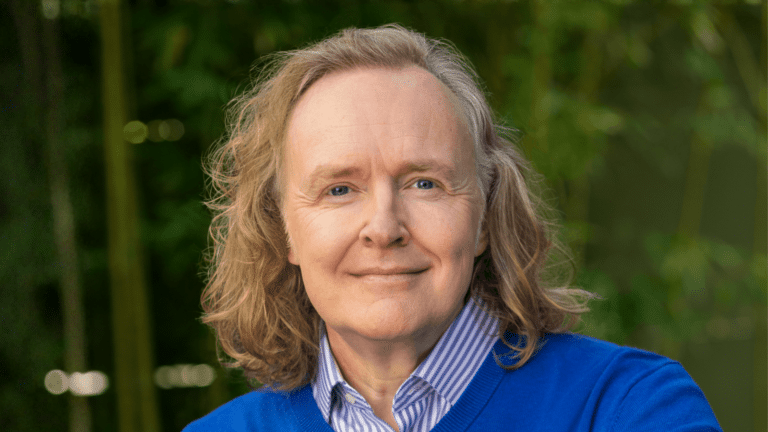
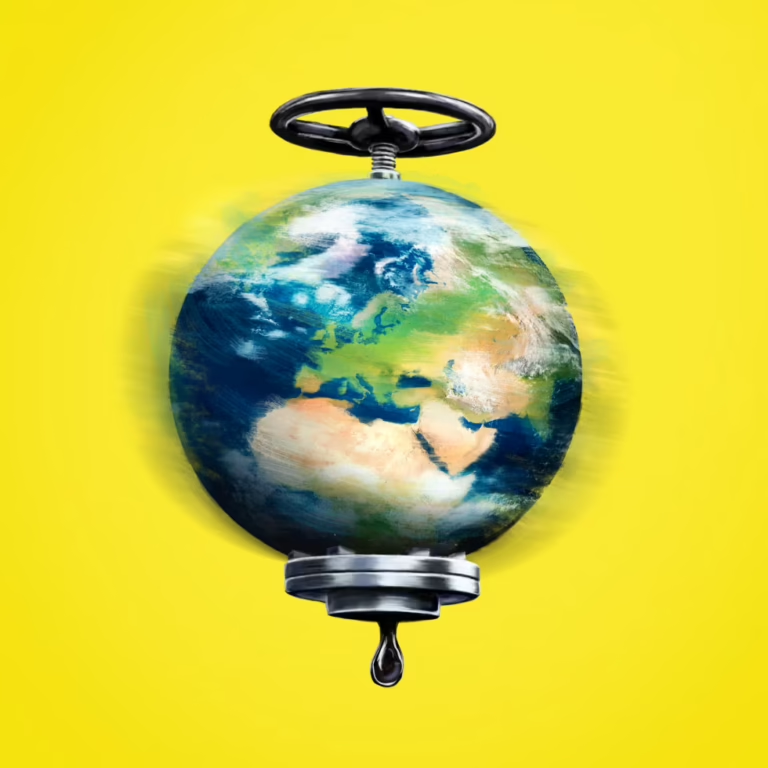
Please join the Center on Global Energy Policy’s Women in Energy program and SIPA’s Energy & Environment Concentration for a student-only virtual roundtable discussion with Amy Myers Jaffe, co-chair of the CGEP Women in Energy Steering Committee and the David M. Rubenstein senior fellow for energy and the environment and director of the Energy Security and Climate Change program at the Council on Foreign Relations. Jaffe will discuss how the COVID-19 pandemic is influencing energy markets. Jaffe’s talk will lay out how sheltering in place worldwide has dramatically reduced oil use and created new geopolitical challenges related to the price of oil. Jaffe will also address the long-term future of fossil fuel use in light of digital technologies coming to the fore in the coronavirus crisis such as remote working, e-commerce and shrinking global supply chains and how the aftereffects of the pandemic will bode for future global climate agreements. Biography Amy Myers Jaffe is Co-chair of CGEP’s Women in Energy Steering Committee. In her full-time capacity she is the David M. Rubenstein senior fellow for energy and the environment and director of the Energy Security and Climate Change program at the Council on Foreign Relations. Jaffe has a long and distinguished career in academia. She served as executive director for energy and sustainability at the University of California, Davis, and senior advisor on energy and sustainability at the Office of the Chief Investment Officer of the University of California Regents and as a global fellow at the Woodrow Wilson International Center for Scholars. She was formerly the Wallace S. Wilson fellow for energy studies and founding director of the Energy Forum at Rice University’s James A. Baker III Institute for Public Policy. She has taught energy and sustainability classes at Rice University, the University of California, Davis and Yale University. Jaffe has previously served on steering committees for a variety of policy task forces, including the U.S. National Petroleum Council study on emergency preparedness and state of California’s Petroleum Market Advisory Committee and the state’s advisory panel on advanced drilling technologies. Jaffe has also served as chair of the World Economic Forum’s (Davos) Global Agenda Council on the Future of Oil and Gas and a member of the WEF’s International Security council. She was awarded the Senior Fellow award from the United States Association for Energy Economics in 2015 for career contributions to the organization and to the field of energy economics and is president-elect of the organization. She holds a Bachelors of Arts from Princeton University in Near Eastern Studies and Arabic. — Registration is required. This event is open to all University students. There is limited capacity for this event. We ask that you register only if you are sure you can attend this event in its entirety. For more information contact: [email protected].