Kuwait looks to the cloud as power grid feels the strain
Kuwait has invited bids to construct three power substations that will supply electricity to Google Cloud data storage centres
Current Access Level “I” – ID Only: CUID holders, alumni, and approved guests only
Past Event
February 6, 2019
6:00 pm - 7:15 pm
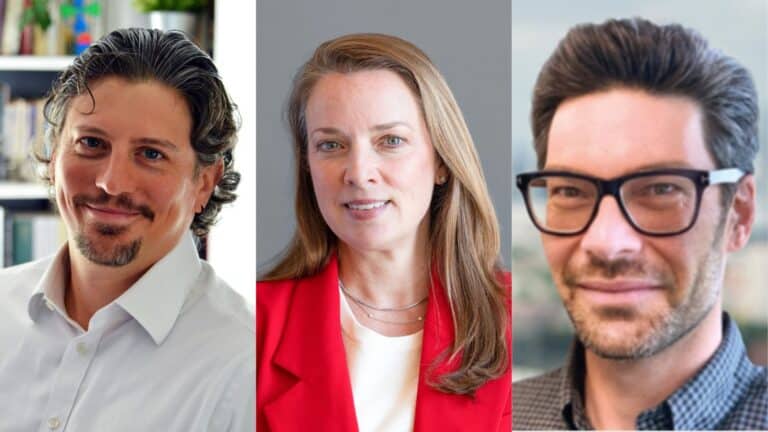
As the 116th Congress convenes, prospects for effective and enduring climate policy are profoundly uncertain. Recent national and international assessments emphasize that climate science is well understood, that human activities are driving climate change, and that serious impacts are occurring and will worsen. Our political leaders are bitterly divided over whether, when, and how to respond to climate change. Some advocate efforts to foster bipartisan consensus while others argue for solutions such as the Green New Deal that are favored only, or chiefly, by particular political groupings. Join the Center on Global Energy Policy as we assess prospects for bipartisan solutions on climate in this uncertain environment with a discussion led by CGEP Distinguished Visiting Fellow Carlos Curbelo, former U.S. representative for Florida’s 26th congressional district. Following Congressman Curbelo’s remarks, he will join Kristina Costa, Senior Fellow at the Center for American Progress, Alex Flint, Executive Director of Alliance for Market Solutions, and Rhiana Gunn-Wright, Policy Director for the Green New Deal project at New Consensus, for a panel discussion moderated by Jonathan Elkind, CGEP Fellow and Senior Research Scholar. — Guests unable to attend in person can view a livestream of the event at energypolicy.columbia.edu/livestream. This event is open to press. Please direct media inquiries to Artealia Gilliard ([email protected]). A podcast of this event will be available a week after the date of the event through iTunes and our website. For more information contact: [email protected].
The Columbia Global Energy Summit 2026 is an annual event dedicated to thought-provoking discussions around the critical energy and climate challenges facing the global community.
This event is open to Columbia University students only. Join the Center on Global Energy Policy’s Women in Energy initiative for an interactive discussion on human rights and...
*Registration is closed for this event. The Center on Global Energy Policy at Columbia University SIPA's Women in Energy initiative, in collaboration with the Columbia Policy Institute, invites...
While various efforts continue to be made to estimate fashion’s environmental footprint, major gaps remain in how to decarbonize material production and reshape business practices.
Models can predict catastrophic or modest damages from climate change, but not which of these futures is coming.
On November 6, 2025, in the lead-up to the annual UN Conference of the Parties (COP30), the Center on Global Energy Policy (CGEP) at Columbia University SIPA convened a roundtable on project-based carbon credit markets (PCCMs) in São Paulo, Brazil—a country that both hosted this year’s COP and is well-positioned to shape the next phase of global carbon markets by leveraging its experience in nature-based solutions.
Connecticut needs an honest debate, and fresh thinking, to shape a climate strategy fit for today, not 2022.