This website uses cookies as well as similar tools and technologies to understand visitors’ experiences. By continuing to use this website, you consent to Columbia University’s usage of cookies and similar technologies, in accordance with the Columbia University Website Cookie Notice.
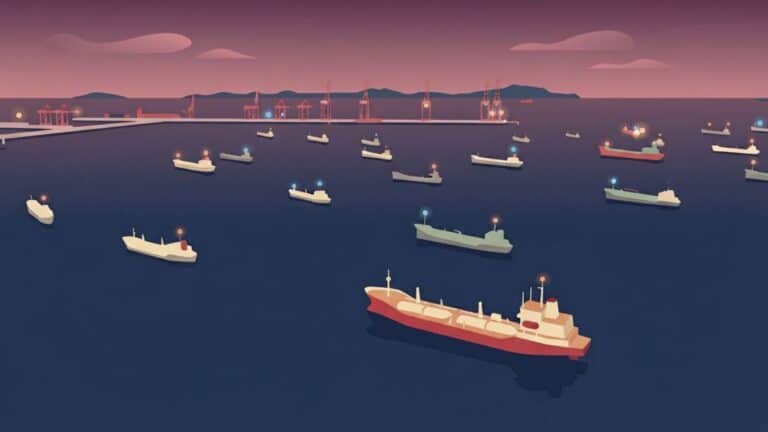
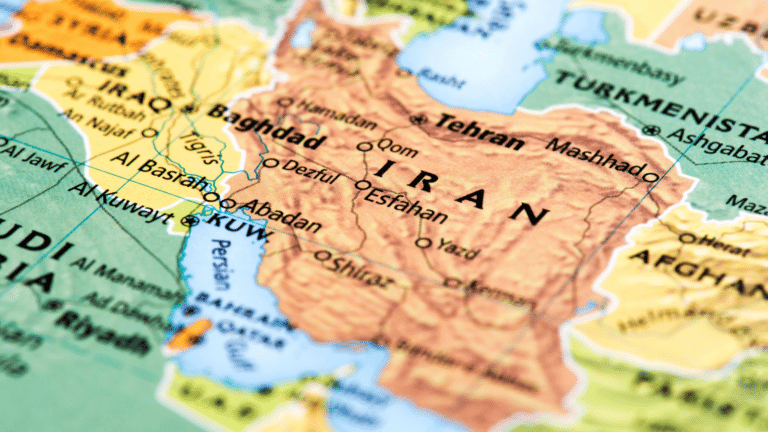
In the 23 days since the US and Iran agreed to a ceasefire, strikes have returned, following a familiar pattern: Iran attacks vessels using an internationally backed sea...
We are the premier hub and policy institution for global energy thought leadership. Energy impacts every element of our lives, and our trusted fact-based research informs the decisions that affect all of us.
Medium-Term and Long-Term Energy Market Outlooks: Presentations by IEA and BP
Past Event
February 26, 2013
5:00 am - 7:00 am
Share
The Center on Global Energy Policy at Columbia University invites you to hear presentations of both medium-term and longer term energy market outlooks. First, Antoine Halff, Head of the Oil Industry and Markets Division at the International Energy Agency will present the results of the IEA’s Medium-Term Oil Market Report, which provides detailed projections for oil supply and demand through 2017. Then, Mark Finley, General Manager of Global Energy Markets and U.S. Economics at BP, will present and discuss key issues from the BP Energy Outlook 2030; this year’s edition has a special focus on the role of shale gas and tight oil in supporting the growth of gas and oil supplies. The presentations will be followed by Q&A. This combined presentation of both the medium-term and long-term energy outlooks will provide an opportunity to compare the respective projections and understand the key assumptions that may lead to different results. This event is off the record. For more information, please contact Jesse McCormick at [email protected].
This event will take place in-person in Washington DC, at the Rayburn House Office Building, Room 2168 (Gold Room). Advance registration is required. Announcing New Columbia University Publications...
This roundtable is open only to currently enrolled Columbia University students. To register, you must sign in with your UNI. Join the Center on Global Energy Policy’s Women...
Event
• Center on Global Energy Policy
1255 Amsterdam Ave, New York, NY 10027
This roundtable is open only to currently enrolled Columbia University students. To register, you must sign in with your UNI. The Center on Global Energy Policy (CGEP) at...
Event
• Center on Global Energy Policy
1255 Amsterdam Ave, New York, NY 10027