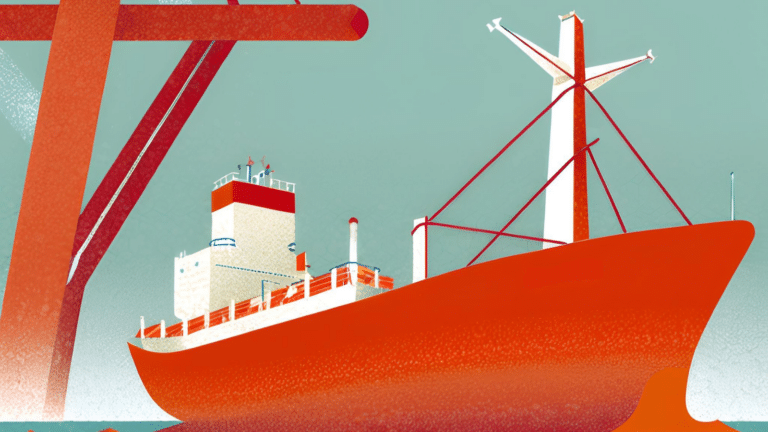
Trump’s Russia Sanctions Are Really Putting the Hurt On
He was late to the show, but he brought a big stick.
Current Access Level “I” – ID Only: CUID holders, alumni, and approved guests only
Past Event
December 18, 2013
3:30 am - 4:30 am
The Center on Global Energy Policy hosted a presentation by Howard K. Gruenspecht, Deputy Administrator of the Energy Information Administration (EIA), of EIA’s reference case for the 2014 Annual Energy Outlook Early Release Overview. The reference case includes projections of U.S. energy supply, demand and prices to 2040, providing the basis for examination and discussion of energy production, consumption, technology, and market trends and the direction they may take in the future. It also serves as a starting point for analysis of potential changes in energy policies. Jason Bordoff, Center Director, moderated a discussion following the presentation.
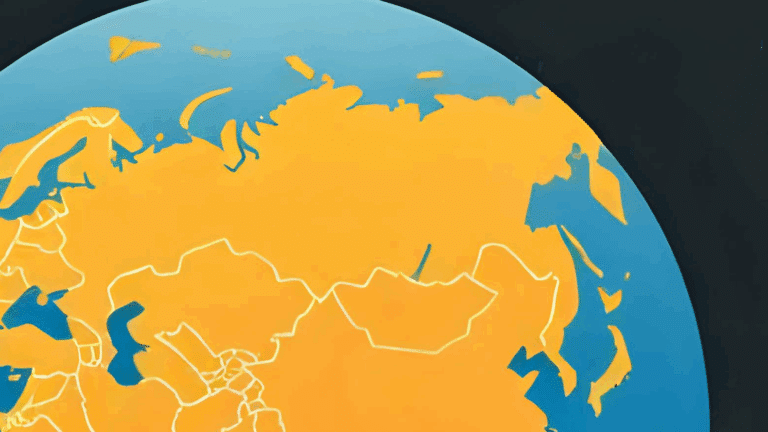
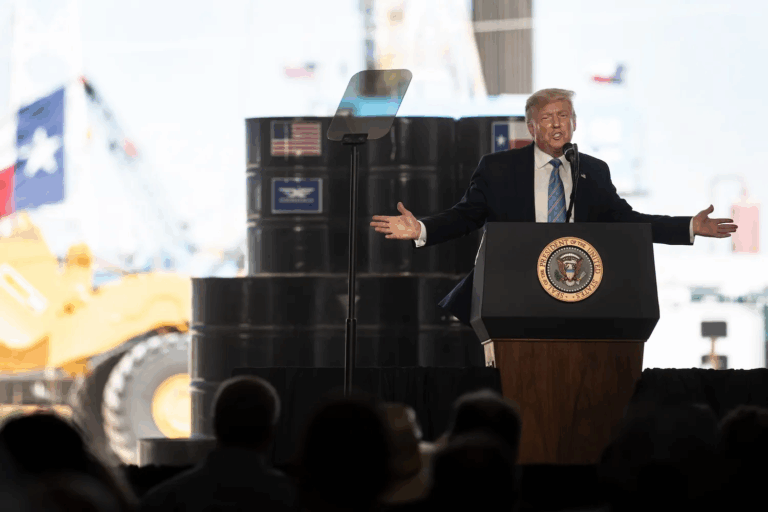
On October 22, the United States Department of the Treasury announced the imposition of sanctions on Russia’s two largest oil companies, Rosneft and Lukoil, as a penalty for what it characterized as a lack of Russian commitment to ending the war in Ukraine.
As the Israel-Iran conflict continues to unfold, it remains unclear whether a ceasefire will hold or fighting will resume. This uncertainty carries significant implications for energy markets in the Middle East and around the world.
On the night of June 12, the Israeli military conducted widespread strikes on sites in Iran that targeted the country’s nuclear program and its senior military leadership.
The relationship between the US and Canada, each of which is the other’s principal source of imported energy, has become increasingly fraught in recent months. Canada and the...
As the host of COP30, Brazil has an unprecedented platform to demonstrate its climate leadership.
The global clean energy economy today looks starkly different than it did even 10 years ago. Not only have production and deployment of clean energy technologies expanded significantly, the geographic distribution of clean energy manufacturers, resellers, and end-users has shifted dramatically.
Throughout much of the modern era, limiting or disrupting the flow of energy was a highly effective tool of global power.