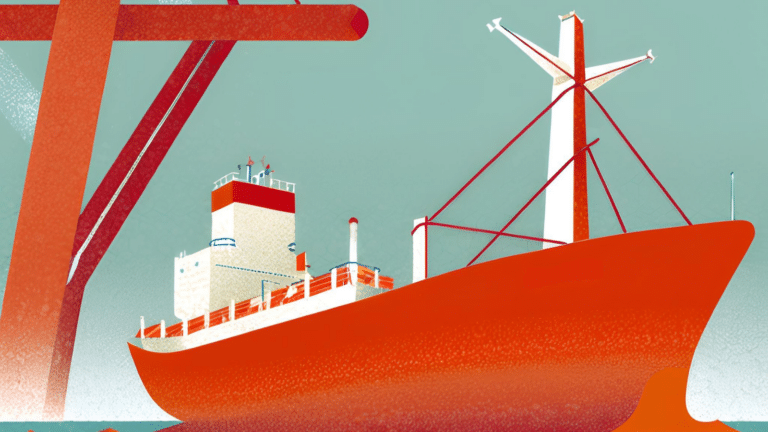
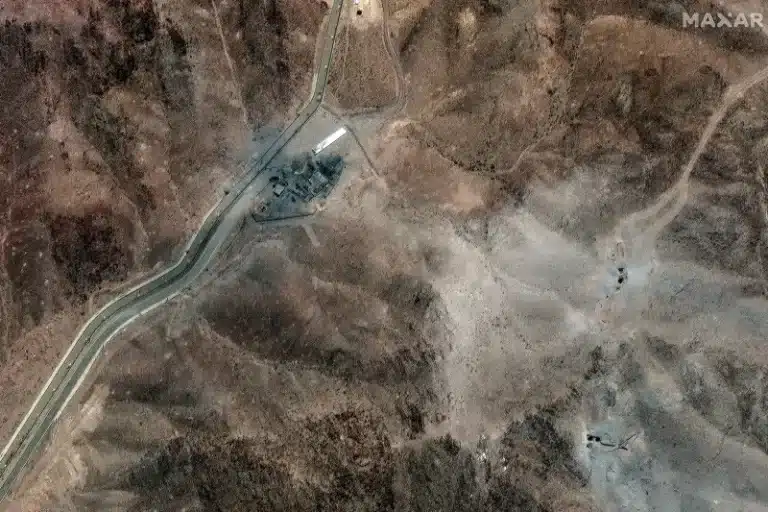
“Ce serait suicidaire” : pourquoi l’Europe redoute sa dépendance au gaz américain
Au rythme actuel, les Etats-Unis pourraient fournir 80 % du GNL dont les Européens ont besoin en 2030. Bien trop risqué dans un contexte géopolitique tendu.
Current Access Level “I” – ID Only: CUID holders, alumni, and approved guests only
Past Event
January 25, 2017
1:00 pm - 3:00 pm
We are excited to announce the release of non-resident Fellow Bob McNally’s forthcoming book, Crude Volatility, the first publication launched in the Center on Global Energy Policy Series published by the Columbia University Press. As part of its official release, we will host events on January 25 in New York City. Please join us for a panel on oil price volatility with author Bob McNally and Jason Bordoff. A book signing and reception will immediately follow the discussion. Distinguished experts joining Mr. McNally include: Marianne Kah, ConocoPhilips Michael Cohen, Barclays Antoine Halff, Center on Global Energy Policy This panel will be immediately followed by a book signing and reception. A limited number of books will be sold at this event. Registration is required. Guests unable to attend can view a livestream of the panel at energypolicy.columbia.edu/watch. A podcast of this event will be available ~12 days after the date of the event through iTunes and our website. This event is open to press. Please direct media inquiries to Jamie Shellenberger-Bessmann ([email protected]) For more information contact: [email protected]
This workshop will be conducted in two parts: Part one on February 16 from 1:00 PM to 2:00 PM EST, and Part two on February 18 from 1:00 PM to...
Join the NYU SPS Center for Global Affairs, the Center on Global Energy Policy at Columbia University SIPA Women in Energy Initiative (WIE), and the NYU SPS Energy,...
The Center on Global Energy Policy (CGEP) at Columbia SIPA and the Fashion, Energy, and Climate Network invite you to join the first session of our new talk...
The Center on Global Energy Policy at Columbia University SIPA is pleased to host a virtual webinar with experts from Kenya, India, and Brazil to discuss and better understand the landscape...
The decline of domestic fossil fuel production in the United States poses serious economic risks for communities that rely on fossil fuel industries for jobs and public revenues. Many of these communities lack the resources and capacity to manage those risks on their own. The absence of viable economic strategies for affected regions is a barrier to building the broad, durable coalitions needed for an equitable national transition to cleaner energy sources.
The United States is at a rare inflection point for nuclear energy, with unprecedented momentum behind deployment and regulatory reform as nuclear becomes central to energy security, AI competitiveness, and state and corporate climate goals.
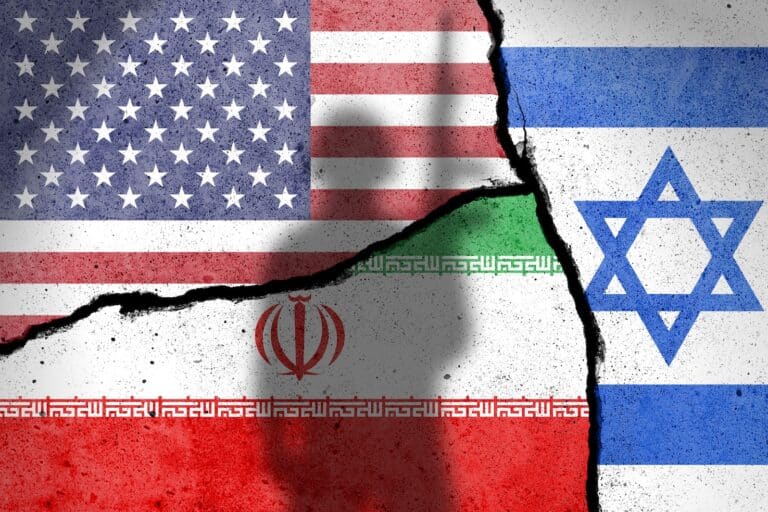
Multiple US–Iran conflict scenarios carry materially different risks for global oil infrastructure, transit routes, and prices.