“Ce serait suicidaire” : pourquoi l’Europe redoute sa dépendance au gaz américain
Au rythme actuel, les Etats-Unis pourraient fournir 80 % du GNL dont les Européens ont besoin en 2030. Bien trop risqué dans un contexte géopolitique tendu.
Current Access Level “I” – ID Only: CUID holders, alumni, and approved guests only
Get the latest as our experts share their insights on global energy policy.
The United States is at a rare inflection point for nuclear energy, with unprecedented momentum behind deployment and regulatory reform as nuclear becomes central to energy security, AI competitiveness, and state and corporate climate goals.
Hear in-depth conversations with the world’s top energy and climate leaders from government, business, academia, and civil society.
As political support for clean energy has waxed and waned over the past twenty years, so has the government’s financial backing. In the 2010s, critics pointed to the...
Find out more about our upcoming and past events.
This workshop will be conducted in two parts: Part one on February 16 from 1:00 PM to 2:00 PM EST, and Part two on February 18 from 1:00 PM to...

Past Event
April 2, 2014
8:30 am - 10:00 am
The Center on Global Energy Policy is pleased to present Nobuo Tanaka, CGEP Fellow and former Executive Director of the International Energy Agency, who will discuss the future of Japanese energy policy three years after the accident at Fukushima nuclear plant. Mr. Tanaka will focus on the role that nuclear power can play in supporting Japans economic growth and energy security and discuss how and what safeguards can be put in place to protect Japan from future disasters like Fukushima. Center Director Jason Bordoff will moderate the discussion following the presentation. RSVP is required. This event is open to press. It will be livestreamed at: energypolicy.columbia.edu/watch
The Center on Global Energy Policy at Columbia University SIPA's Women in Energy initiative and Accenture invite you to join us for an evening of conversation and networking...

*Registration is closed for this event. The Center on Global Energy Policy at Columbia University SIPA's Women in Energy initiative, in collaboration with the Columbia Policy Institute, invites...

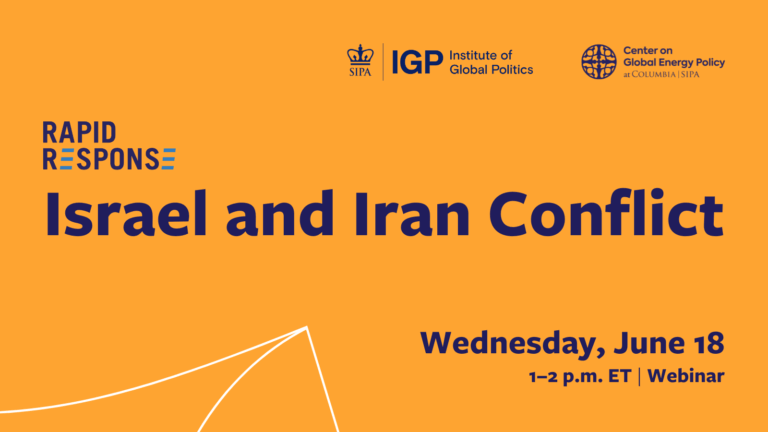
On the night of June 12, the Israeli military conducted widespread strikes on sites in Iran that targeted the country’s nuclear program and its senior military leadership.
On May 23, President Donald Trump signed four executive orders that aim to reform the United States Nuclear Regulatory Commission, streamline National Laboratory processes for reactor testing, advance...
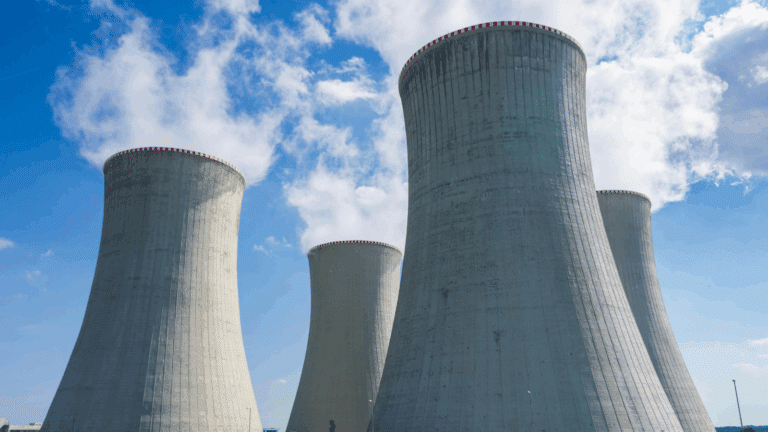
The United States is at a rare inflection point for nuclear energy, with unprecedented momentum behind deployment and regulatory reform as nuclear becomes central to energy security, AI competitiveness, and state and corporate climate goals.
The NRC is already experimenting and making improvements in reducing licensing review times without changing the diligence or substance of its evaluations, and the results are promising. If the projected volume of applications materializes, the NRC will need to continue to apply the new approaches it has begun using, as well as seek out additional efficiencies. This paper lays out actionable recommendations on what NRC can do now—under existing statutory authority—to further compress schedules while preserving safety, due process, and analytical quality.
CGEP scholars reflect on some of the standout issues of the day during this year's Climate Week