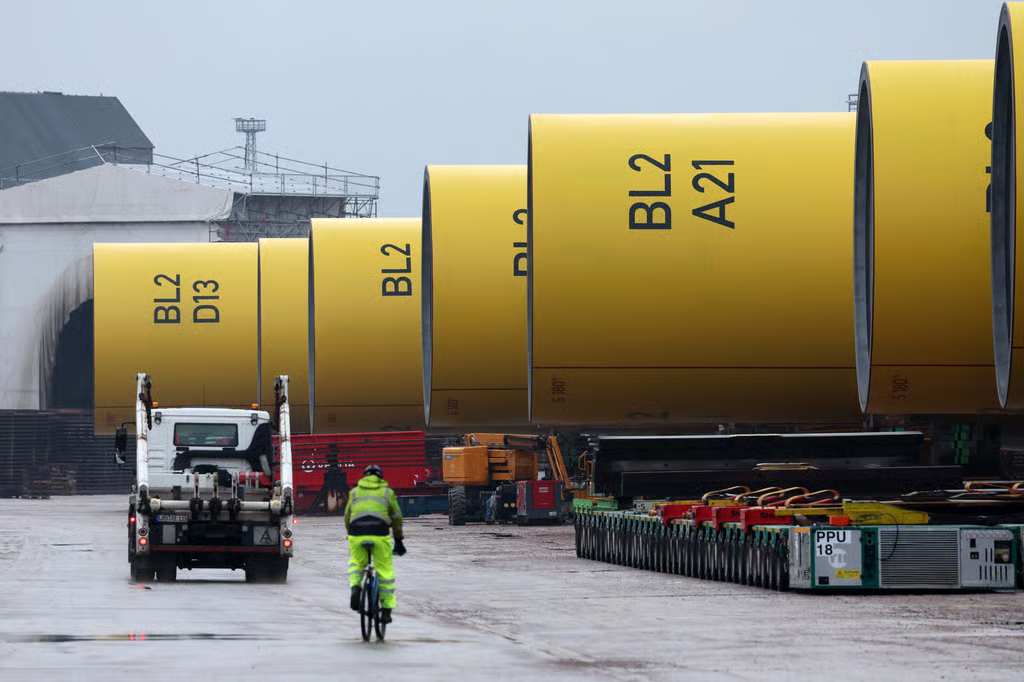
View / Hormuz limbo is now global oil’s top risk
Lost supply and a projected demand rebound have placed the oil market in a fragile equilibrium.
Get the latest as our experts share their insights on global energy policy.
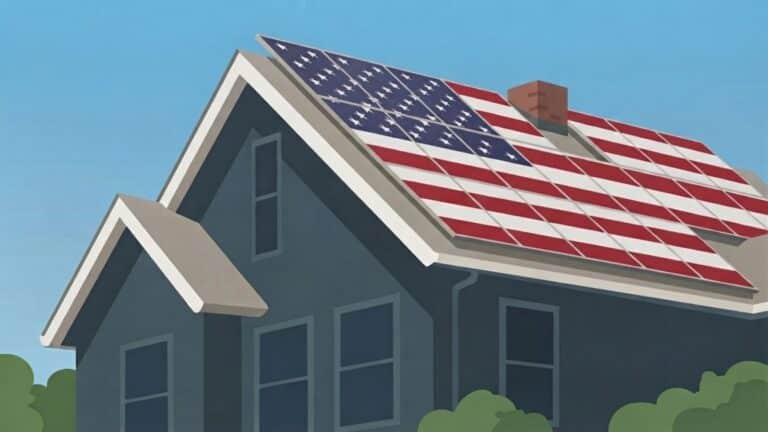
President Trump issued a proclamation on August 6 imposing tariffs on polysilicon and solar products.
Hear in-depth conversations with the world’s top energy and climate leaders from government, business, academia, and civil society.
Abundance and affordability have become buzzwords among policymakers, who often have sharply different interpretations of how to attain them. To some, an energy abundance agenda means fewer regulatory...

Find out more about our upcoming and past events.
Join industry leaders, innovators, employers, and emerging talent for an evening exploring the technologies, trends, and career opportunities shaping the future of climate tech.

Vice President for Europe at Breakthrough Energy
If 2022 were an earthquake for the global energy system, Europe was the epicenter. Russia’s invasion of Ukraine – on top of a persistent mismatch in supply and demand – sent energy prices skyrocketing. Consumers across the continent struggled to pay their bills. In the year that followed, European governments spent more than €800 billion shielding consumers from these high prices, even as they scrambled to find alternatives to Russian energy.
Prices have now returned to their pre-invasion baseline, but the continent’s energy system remains precarious. Emergency measures must now give way to a longer-term strategy to secure Europe’s energy system, reduce its reliance on fossil fuels, and scale clean energy technology.
What’s the outlook for European energy security? How can Europe meet its ambitious clean energy targets? And what technologies are needed to make this possible?
This week host Jason Bordoff talks with Ann Mettler about Europe’s response to the energy crisis, its plans for decarbonizing its energy system, and the outlook for energy security.
Ann is the vice president for Europe at Breakthrough Energy, a network of investment funds, philanthropies, and nonprofits dedicated to scaling low-carbon technologies. She previously served as director-general at the European Commission, where she ran an in-house think tank called the European Political Strategy Centre. Prior to that, she was the executive director of the Lisbon Council, an economic policy think tank she founded in 2003.
Abundance and affordability have become buzzwords among policymakers, who often have sharply different interpretations of how to attain them. To some, an energy abundance agenda means fewer regulatory...
It started last year as a pressure campaign at sea, with the United States seizing tankers as part of what President Trump called a “total and complete blockade”...

Over the past five months, the Strait of Hormuz has been closed for extended stretches of time, disrupting roughly 10 to 15 million barrels of oil supply each...
As the demand for power surges across the US, the debate over how to build energy infrastructure has reached a fever pitch. And while both sides of the...
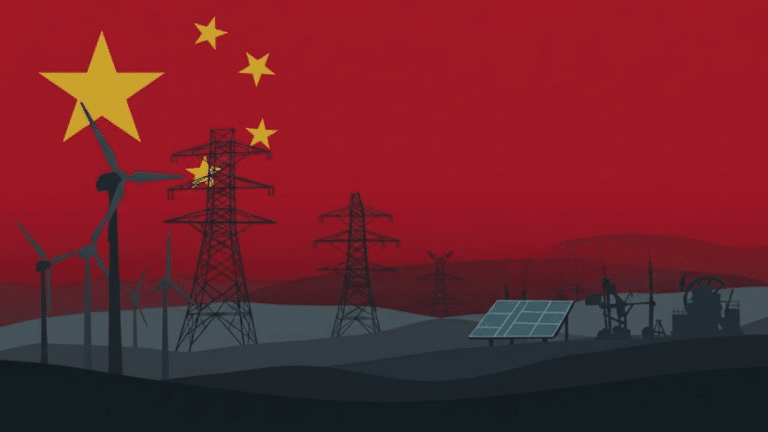
Two economic planning documents released at the March meeting of China's National People’s Congress include the term "energy powerhouse" for the first time.
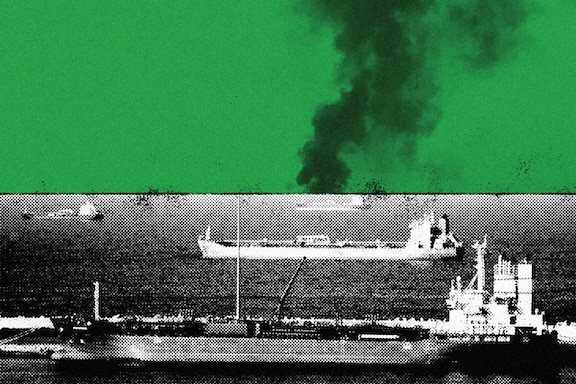
Within days of the initial U.S. and Israeli attack on Iran on February 28, 2026, the world was plunged into an energy crisis.
The war in Iran is not just another energy shock. It is arriving at a moment when Europe is already under cumulative strain: a war on its eastern border, the lingering aftershocks of the 2022 energy crisis, industrial decline, political fragmentation, fiscal limits, and a widening debate over how much of its own security it must now provide.
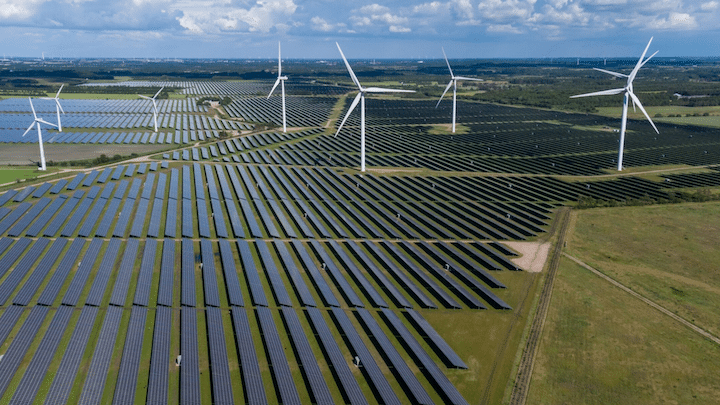
Without transatlantic alignment, we risk forfeiting the very advantages our alliance was built to protect.