Trump is frustrated gasoline prices don’t mirror oil’s decline. Experts say it’s not that simple
U.S. gasoline prices decreased an average of 49 cents a gallon in the last month as expectations rose for an end to the war with Iran.
Get the latest as our experts share their insights on global energy policy.
This Energy Explained post represents the research and views of the author(s). It does not necessarily represent the views of the Center on Global Energy Policy. The piece...

Hear in-depth conversations with the world’s top energy and climate leaders from government, business, academia, and civil society.
The energy transition is in the midst of its own transition. Spiking electricity demand and geopolitical events are driving up energy prices, while debates over the best sources...
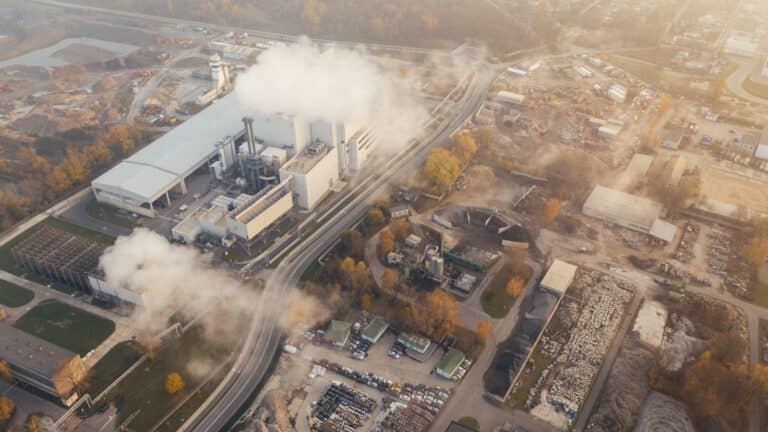
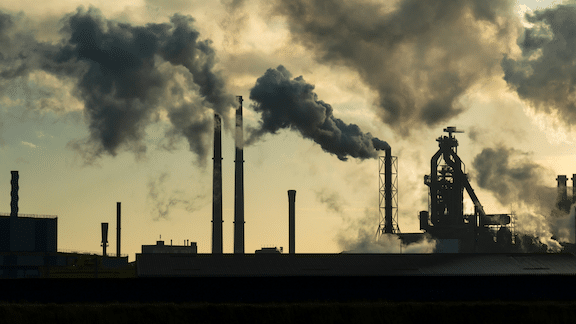
The steel and cement industries are enormous and vital components of the global economy. Together, they account for roughly 16% of global greenhouse gas emissions. If the cement and steel industry were a country, it would be the third largest emitter. Both industries are referred to as “hard-to-abate” sectors because of the perceived challenges in reducing their carbon emissions.
But innovations in technology and policy are changing the way experts look at these industries, opening new doors to decarbonization strategies. They’re also causing new rifts in global trade relations, as countries vie for dominance over emerging low-carbon solutions.
What are the best strategies for decarbonizing the steel and cement industries? How much progress have we made? And how is the emerging low-carbon steel and cement trade reshaping international relations?
This week host Jason Bordoff talks with Chris Bataille about the prospects for decarbonizing the steel and cement industries.
Chris is an adjunct research fellow at the Center on Global Energy Policy, where he studies technology and policy pathways to net zero, with a focus on industrial decarbonization. He is an associate researcher at the Institute for Sustainable Development and International Relations and an adjunct professor at Simon Fraser University. He was also a contributing author to the IPCC 6th Assessment Report.
The energy transition is in the midst of its own transition. Spiking electricity demand and geopolitical events are driving up energy prices, while debates over the best sources...
Yesterday, the US and Iran signed a memorandum of understanding starting the clock on a 60-day truce. The agreement intends to halt attacks, begin lifting the US naval...

The 109-day-old Iran crisis is heading toward an off-ramp in the form of a not-yet-public Memorandum of Understanding to reopen the Strait of Hormuz. While energy markets are...

The clean energy transition had real momentum at the end of 2024. It was buoyed by federal support, billions of dollars of investment in new technologies, and broad...

The World Bank is revisiting one of its most entrenched positions, publicly questioning its long-standing emphasis on market-led approaches in economic policy.

CGEP scholars reflect on some of the standout issues of the day during this year's Climate Week