Chinese EVs to benefit Canada’s green efforts
With Chinese electric vehicles set to enter the Canadian market, the move could bring significant benefits for consumers, the climate and public health, experts say.
Current Access Level “I” – ID Only: CUID holders, alumni, and approved guests only
Get the latest as our experts share their insights on global energy policy.
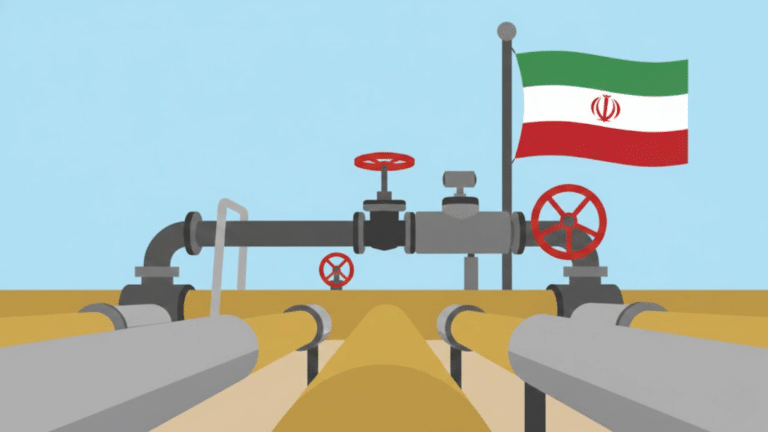
Iran has among the world's largest natural gas resource bases, but its ability to supply regional and global markets is constrained by sanctions, underinvestment, and limited export infrastructure.
Hear in-depth conversations with the world’s top energy and climate leaders from government, business, academia, and civil society.
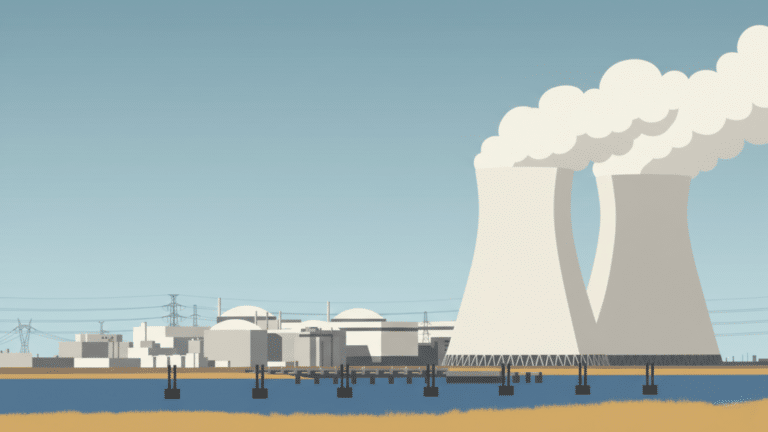
The Trump administration has prioritized nuclear energy expansion, aiming to increase US nuclear capacity fourfold by 2050. This nuclear energy resurgence in the US is a rare issue...

Find out more about our upcoming and past events.
This workshop will be conducted in two parts: Part one on February 16 from 1:00 PM to 2:00 PM EST, and Part two on February 18 from 1:00 PM to...

Host Bill Loveless speaks with Dan Whittle, the Senior Director of the Cuba Program at the Environmental Defense Fund. Bill and Dan were among some 90 individuals from the U.S. and Cuba who attended a recent conference in Fort Lauderdale, Florida called “The Florida Straits: A Model for International Cooperation.”
Among the topics Bill and Dan discuss are: relations between the U.S. and Cuba on energy and environmental issues, including under the Trump and Obama administrations; Cuba’s energy needs; what’s at stake for Cuba’s environment; and lessons learned from the Deepwater Horizon disaster in the U.S Gulf of Mexico.
The Trump administration has prioritized nuclear energy expansion, aiming to increase US nuclear capacity fourfold by 2050. This nuclear energy resurgence in the US is a rare issue...
As political support for clean energy has waxed and waned over the past twenty years, so has the government’s financial backing. In the 2010s, critics pointed to the...

With electricity prices on the rise, the future of our power grid is attracting a lot more attention. Surging demand is at the center of the story, but...

From the affordability crisis and the data center boom, to the US government’s campaign to reinvigorate the Venezuelan oil market, energy is dominating headlines in unusual ways. And...

Elemento decisivo será coordenação estratégica
Iran has among the world's largest natural gas resource bases, but its ability to supply regional and global markets is constrained by sanctions, underinvestment, and limited export infrastructure.
The decline of domestic fossil fuel production in the United States poses serious economic risks for communities that rely on fossil fuel industries for jobs and public revenues. Many of these communities lack the resources and capacity to manage those risks on their own. The absence of viable economic strategies for affected regions is a barrier to building the broad, durable coalitions needed for an equitable national transition to cleaner energy sources.
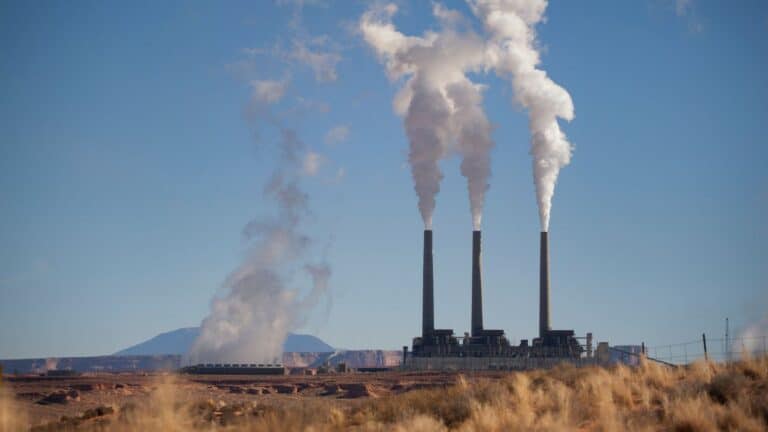
The United States is at a rare inflection point for nuclear energy, with unprecedented momentum behind deployment and regulatory reform as nuclear becomes central to energy security, AI competitiveness, and state and corporate climate goals.