This website uses cookies as well as similar tools and technologies to understand visitors’ experiences. By continuing to use this website, you consent to Columbia University’s usage of cookies and similar technologies, in accordance with the Columbia University Website Cookie Notice.
Energy Explained
Get the latest as our experts share their insights on global energy policy.
Postwar LNG: The New Guiding Principles Borrow from the Past
The Iran crisis, whenever it ends, will materially change how the LNG market operates.

Podcasts
Hear in-depth conversations with the world’s top energy and climate leaders from government, business, academia, and civil society.
Suzanne Maloney on Whether Perpetual Conflict is New Normal for the Gulf
Nearly a month after a ceasefire, the US-Iran deal seems to have all but collapsed as both nations have slipped back into active conflict. On Sunday, Tehran announced...
Podcast
Climate Policy, Technology and Philanthropy: A Conversation with Jane Flegal
December 2, 2020
Philanthropy has a unique and critical role to play in tackling the climate crisis, with the potential to increase global ambition, create new climate solutions, innovate new technologies, scale proven mitigation strategies, and drive collaboration between the public and private sector.
But there are many different theories of change in the advocacy community. There are different views about the role of technology, how to integrate correcting historical racial and equity injustices into climate action, and how to build political support to drive policy change.
In this edition of Columbia Energy Exchange, host Jason Bordoff is joined by Jane Flegal to discuss the governance, science and decision-making processes needed to unlock climate action and new innovation.
Jane Flegal is a Program Officer in the Environment program at the William and Flora Hewlett Foundation, where she leads U.S. grantmaking to combat climate change and support a clean energy transition. Jane previously served as a senior program officer for the environment program at The Bernard and Anne Spitzer Charitable Trust in New York. She has been a policy analyst, published academic research, and taught and lectured in universities.
Jane holds a doctorate in environmental science, policy, and management from the University of California, Berkeley and a bachelor’s degree in environmental studies from Mount Holyoke College.
More Episodes
Suzanne Maloney on Whether Perpetual Conflict is New Normal for the Gulf
Nearly a month after a ceasefire, the US-Iran deal seems to have all but collapsed as both nations have slipped back into active conflict. On Sunday, Tehran announced...
Iran Conflict Brief: How Renewed Strikes Impact Global Energy
In the 23 days since the US and Iran agreed to a ceasefire, strikes have returned, following a familiar pattern: Iran attacks vessels using an internationally backed sea...
Alice Yake on Planning for a Reliable, Cleaner Grid
Grid operators sit at the center of many of the biggest forces reshaping the global energy system. They’re navigating rising electricity demand, a lack of transmission infrastructure, shifting...
Doug Arent and Robin Millican on What’s Really Driving Electricity Prices
Concerns about the affordability of electricity in the US have been rising along with prices. And while the headlines have pointed to AI and data centers as the...

Relevant
Publications
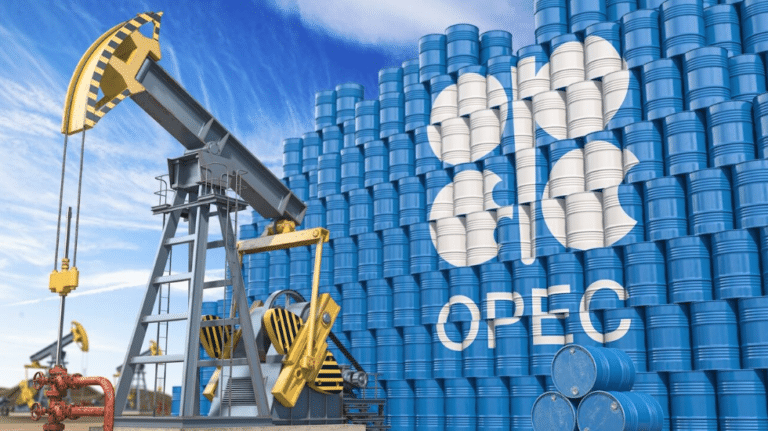
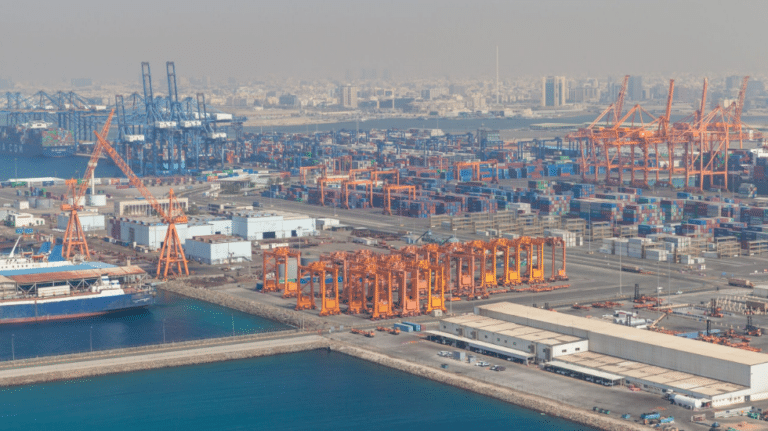
Postwar LNG: The New Guiding Principles Borrow from the Past
The Iran crisis, whenever it ends, will materially change how the LNG market operates.
Live Updates: Iran and the Conflict in the Middle East
The Center on Global Energy Policy is providing live updates on key developments related to the Iran crisis. Check back here for the latest.
Blog
by Anne-Sophie Corbeau, Erica Downs, Ira Joseph, Richard Nephew, Daniel Sternoff, Karen E. Young, Robin Mills & Neelesh Nerurkar • July 8, 2026