The commitment to acting on climate change by the Biden administration is attracting much attention, as President Biden outlines his agenda and appoints individuals to carry it out across the government.
But just as important, as they have always been, are steps being taken by states to curb emissions and promote cleaner forms of energy. And no state has been more of a leader on these issues than California.
In this edition of Columbia Energy Exchange, host Bill Loveless talks to two of the leading energy reporters in California, which has been hard hit by the pandemic even as it copes with wildfires and other environmental disasters made worse by climate change.
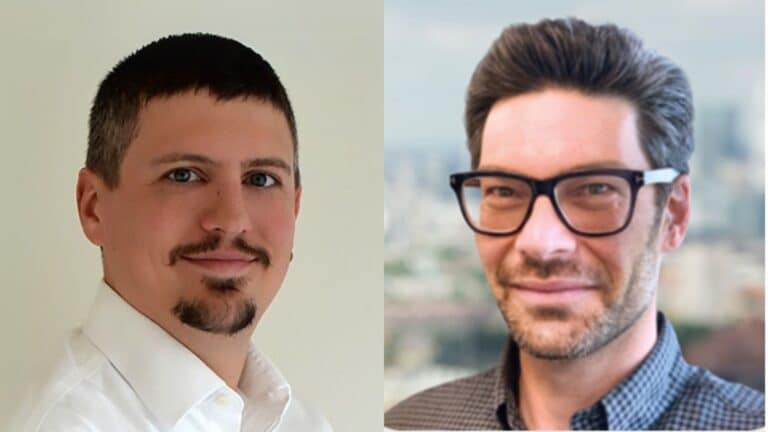
Sammy Roth covers energy for the Los Angeles Times and writes the weekly “Boiling Point”. He previously reported for the Desert Sun and USA Today, where he focused on renewable energy, climate change, electric utilities and public lands. He holds a bachelor of arts in sustainable development from Columbia University, where he was the editor in chief of the Columbia Daily Spectator.
J.D. Morris is a business reporter covering PG&E and the coronavirus for the San Francisco Chronicle. Before joining the Chronicle, he was the Sonoma County government reporter for the Santa Rosa Press Democrat, where he was among journalists awarded a Pulitzer Prize for their coverage of the 2017 North Bay wildfires.
Both Sammy and J.D. are past participants in the Energy Journalism Initiative at the Center on Global Energy Policy which helps energy journalists gain a deeper understanding of complex issues associated with the beat. CGEP is now accepting applications from energy journalists for the 2021 EJI seminar in June. More information is available on the CGEP website.
In their conversation, Bill, Sammy and J.D. discuss the impact of the pandemic in California and the implications of it for efforts to address climate change. They also delve into the status of various climate policies undertaken in the Golden State, including its cap-and-trade program and steps taken at the state and local level to promote electric vehicles and restrict installation of natural gas service in new residential and commercial buildings.