This website uses cookies as well as similar tools and technologies to understand visitors’ experiences. By continuing to use this website, you consent to Columbia University’s usage of cookies and similar technologies, in accordance with the Columbia University Website Cookie Notice.
Energy Explained
Get the latest as our experts share their insights on global energy policy.
The US-Venezuela Oil Deal Might De-Risk Oil Company NABEP But Not Venezuela
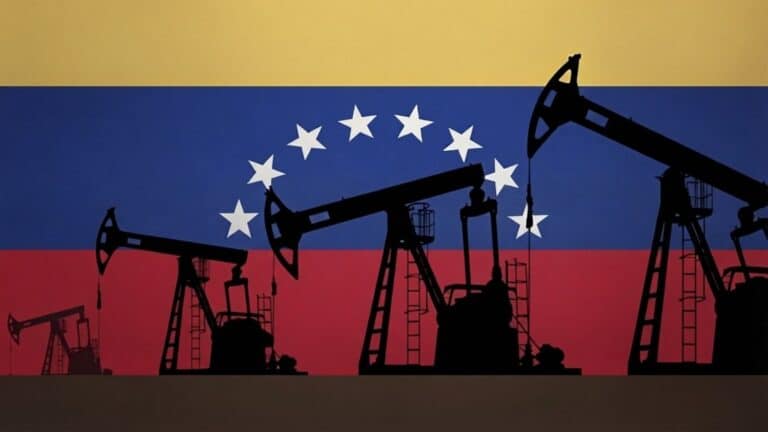
The White House announced last week an oil deal for more than 65 billion barrels of oil reserves in Venezuela and a 35% equity stake in North American Blue Energy Partners (NABEP).
Podcasts
Hear in-depth conversations with the world’s top energy and climate leaders from government, business, academia, and civil society.
Erica Downs and Michal Meidan on China’s Oil Shock That Wasn’t
This week, Chinese President Xi Jinping travels to Washington for a state visit with President Trump, their second face-to-face meeting this year. Energy is likely to be high...
Columbia Energy Exchange Podcast
• September 22, 2026

Events
Find out more about our upcoming and past events.
September 21, 2026 - September 25, 2026
CGEP @ Climate Week 2026
The Center on Global Energy Policy at Columbia University SIPA will host a series of energy and climate focused events this September during Climate Week NYC.
Event

Podcast
Bobby Tudor, Chairman of Tudor, Pickering, Holt & Co., LLC – The Outlook for the Energy Sector
March 27, 2017
Since OPEC’s November 2014 decision to let the oil price fall rather than cut output, the outlook for the energy sector has changed dramatically. Oil prices have rebounded from an historic slump as OPEC has re-emerged and asserted itself to curb global oil production and oil demand has grown faster than expected. At the same time, U.S. shale oil looks set to rise sharply, and U.S. fuel economy standards may be eased, thus boosting demand, even as questions about longer term oil demand remain. All of this poses enormous uncertainties for design of environmental policy, for the global economy, and for geopolitical stability in key producing countries around the world.
Host Jason Bordoff sits down with Bobby Tudor, Chairman of Tudor, Pickering, Holt & Co., LLC, to discuss the outlook for the energy sector. Prior to founding Tudor Capital, Bobby spent nearly twenty years at Goldman Sachs & Co. where he was a partner. Bobby holds a BA in English and Legal Studies from Rice University and a JD from Tulane Law School. Among many topics Bobby and Jason discuss, several include: The oil price outlook and the role U.S. shale will play; Digitization of the oil field; Capital availability and financing; The role of emerging markets in global demand; The new policy landscape in D.C. and how deregulation will affect the energy sector.
More Episodes
Erica Downs and Michal Meidan on China’s Oil Shock That Wasn’t
This week, Chinese President Xi Jinping travels to Washington for a state visit with President Trump, their second face-to-face meeting this year. Energy is likely to be high...
Columbia Energy Exchange Podcast
• September 22, 2026
Six Months In: Iran War Widens as Energy Markets Feel the Shock
More than six months into the war with Iran, the Strait of Hormuz crisis continues to cause turmoil in the Gulf region and global energy markets with no...
Columbia Energy Exchange Podcast
with Richard Nephew
, Daniel Sternoff
and Karen E. Young
• September 15, 2026

Luisa Palacios and Bob McNally on Why the US-Venezuela Oil Deal Matters
It's been a tumultuous year for Venezuela, marked by political upheaval and deadly earthquakes. Then, in late August, the Trump administration announced a deal for over 65 billion...

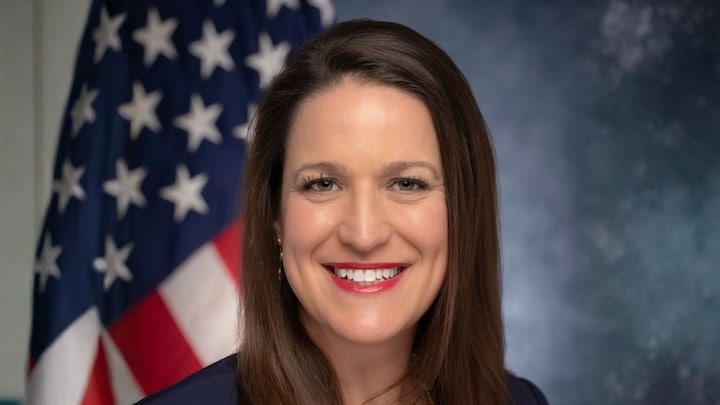
DOE’s Audrey Robertson on Growing US Critical Mineral Supply
Advanced technologies, a return to domestic manufacturing, and the race to control energy production while also confronting surging demand for electricity—all of these factors mean that for the...
Columbia Energy Exchange Podcast
• September 1, 2026
Relevant
Publications
Aligning Public Finance Policies with Technology Readiness Levels in Clean Energy Technologies: Task Force Report
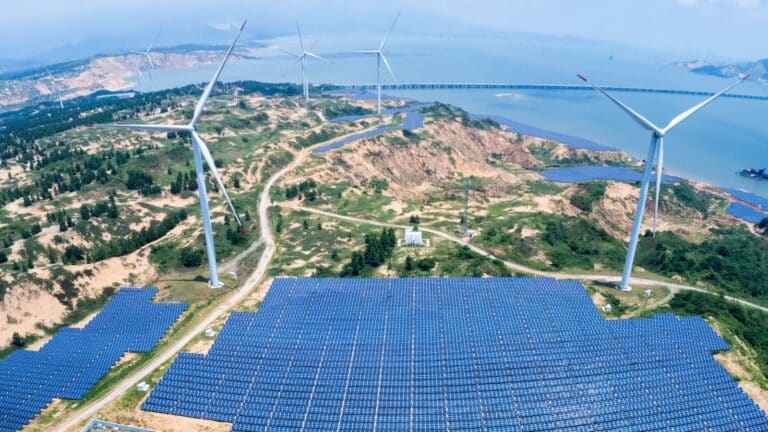
Over the past decade, governments in developed economies have expanded the use of public financing tools to support the development of clean energy and critical materials technologies.
Task Force Report
by Tom Moerenhout & Sofia Parker • September 20, 2026
Aligning Public Finance Policies with Clean Energy Technology Readiness Levels: Summary
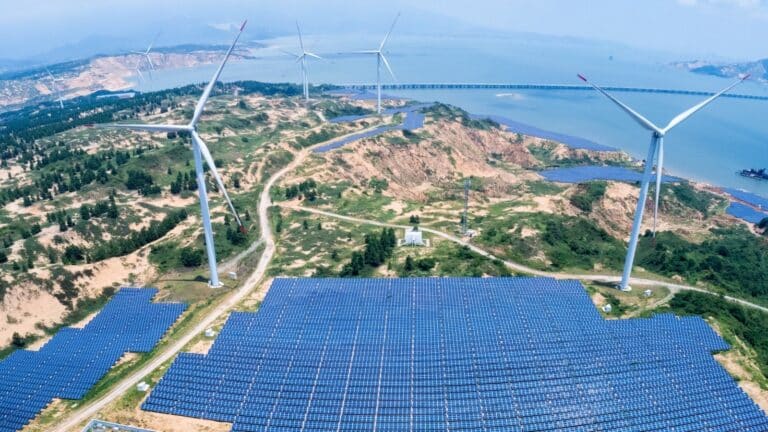
Governments in developed economies have expanded the use of public financing tools to support clean energy and critical materials technology development over the past decade.
White Paper
by Tom Moerenhout & Sofia Parker • September 20, 2026
The Real U.S.-Saudi Nuclear Deal Is Better Than We Thought
On Aug. 24, 2026, the Trump administration transmitted the text of the U.S.-Saudi nuclear cooperation agreement to Congress. By doing so, the