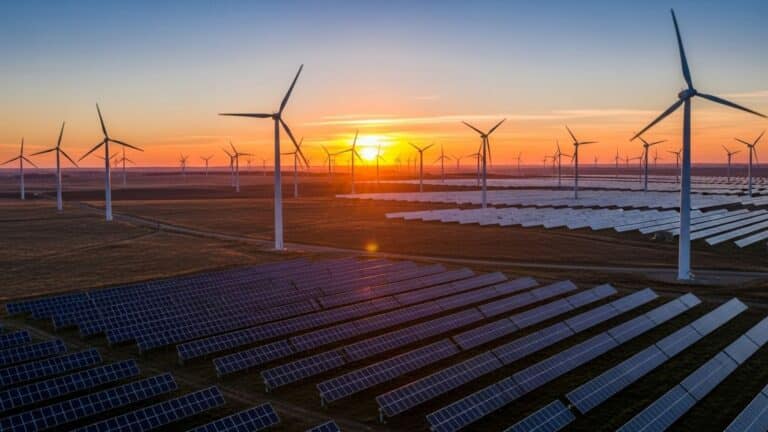
Trump promoted fossil fuels. His war is pushing the world away from them.
As oil prices spike, governments are slashing fuel use and eyeing renewables — threatening to erode global demand for fossil energy.
Get the latest as our experts share their insights on global energy policy.
On February 28, the US and Israel launched new attacks on Iran targeting primarily the country's leadership, security forces, and missile program.

Hear in-depth conversations with the world’s top energy and climate leaders from government, business, academia, and civil society.
While US and Israeli forces have significantly degraded Iran’s military and nuclear capability, the global energy landscape remains in a precarious position. For weeks, the Strait of Hormuz...
Find out more about our upcoming and past events.
This roundtable is open only to currently enrolled Columbia University students. To register, you must sign in with your UNI. Join the Center on Global Energy Policy’s Women...

Administrator, U.S. Environmental Projection Agency
July 4th 2023 was the hottest day on earth ever recorded.
The prevalence of extreme heat, which dramatically impacts quality of life and the built environment, highlights the urgency of tackling the climate crisis. In the U.S., the Environmental Protection Agency (EPA) works to reduce the greenhouse gas emissions known to exacerbate global warming.
The EPA’s new regulations aim to further limit pollution from power plants and vehicles and avoid hundreds of millions of metric tons of C02 emissions. These regulations would also prevent health issues and deaths.
Even with the upsides, the EPA still faces obstacles to these proposals. Most significantly, the Supreme Courts’ West Virginia vs. EPA ruling limits the agency’s ability to impose new emissions standards. Additionally, some professionals and legislators worry the technology standards on the power sector could impact grid reliability.
So, how will the new regulations play out in practice? Will the EPA be able to implement its agenda? And what will the impact be on industry and communities?
This week host Bill Loveless talks with Michael Regan about the EPA’s proposed regulations to reduce vehicle and power plants emissions, and how the agency plans to deal with pushback.
Michael Regan is the administrator of the Environmental Protection Agency. Over the past two years, he has overseen the agency’s effort to curb emissions from U.S. industry and fight climate change. Prior to his nomination as administrator, he served as the secretary of the North Carolina Department of Environmental Quality. He has also held positions at the Environmental Defense Fund, including associate vice president of U.S. Climate and Energy.
While US and Israeli forces have significantly degraded Iran’s military and nuclear capability, the global energy landscape remains in a precarious position. For weeks, the Strait of Hormuz...
During President Trump’s second term, the administration has taken unprecedented action in the US private sector. The federal government’s investments in critical mineral mining and chip manufacturing are...
Today marks the last day of CERAWeek, the annual energy industry conference sometimes described as the Davos of energy. As oil and gas CEOs and government officials gathered...

The Iran conflict has rapidly expanded, drawing in actors across the Middle East and raising concerns about broader regional escalation.

On March 20, Governor Kathy Hochul proposed significant changes to New York’s Climate Leadership and Community Protection Act (CLCPA), the landmark climate law passed in 2019.

In January 2026, the UK government publicly released an intelligence report analyzing the security implications of global environmental destruction.
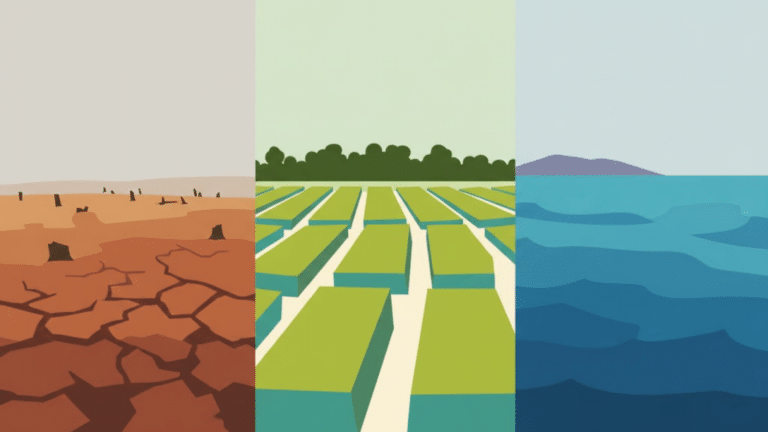
Models can predict catastrophic or modest damages from climate change, but not which of these futures is coming.

On November 6, 2025, in the lead-up to the annual UN Conference of the Parties (COP30), the Center on Global Energy Policy (CGEP) at Columbia University SIPA convened a roundtable on project-based carbon credit markets (PCCMs) in São Paulo, Brazil—a country that both hosted this year’s COP and is well-positioned to shape the next phase of global carbon markets by leveraging its experience in nature-based solutions.