This website uses cookies as well as similar tools and technologies to understand visitors’ experiences. By continuing to use this website, you consent to Columbia University’s usage of cookies and similar technologies, in accordance with the Columbia University Website Cookie Notice.
Energy Explained
Get the latest as our experts share their insights on global energy policy.
G7 Countries Commit to Diversifying Critical Minerals Supply Without Deciding Who Bears the Cost
Critical minerals were once again near the top of the agenda for G7 leaders as they met in Évian, France, this week, a year after the G7 launched the Critical Minerals Action Plan.

Podcasts
Hear in-depth conversations with the world’s top energy and climate leaders from government, business, academia, and civil society.
Michael Cembalest Does the Math on the Energy Transition
The energy transition is in the midst of its own transition. Spiking electricity demand and geopolitical events are driving up energy prices, while debates over the best sources...

Events
Find out more about our upcoming and past events.
June 25, 2026
• 11:30 am - 12:30 pm
est
The Cost of Power: Rising Electricity Prices, AI, and the Grid
This event will take place in-person in Washington DC, at the Rayburn House Office Building, Room 2168 (Gold Room). Advance registration is required. Announcing New Columbia University Publications...
Event
• Rayburn House Office Building, Room 2168 (Gold Room)
Washington, D.C.
Washington, D.C.
Podcast
Bruce Walker – Bolstering U.S. Grid Resilience: The View from the Dept of Energy
June 18, 2018
Guest
Bruce Walker
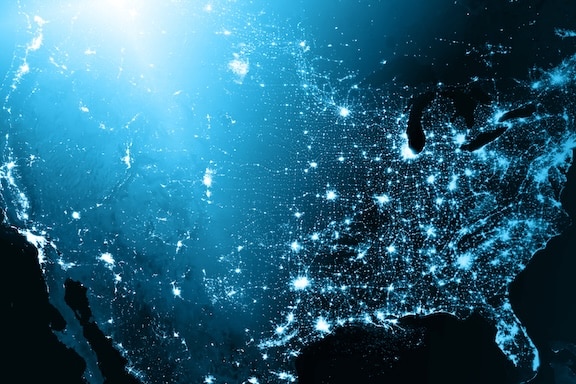
The resilience of the U.S. electric grid in the face of threats from cyber and physical attacks, not to mention natural disasters, continues to stir up concerns in Washington, D.C. and across the country. Among the questions is how big of a role the government should play in responding to these risks.
In this edition of the Columbia Energy Exchange podcast, host Bill Loveless interviews Bruce Walker, the assistant secretary for electricity at the U.S. Department of Energy (DOE), whose office is responsible for developing electricity policy, including that pertaining to the reliability and resilience of the grid.
Bill met Bruce at DOE headquarters to talk about the Trump Administration’s rationale in addressing the grid’s ability to recover from a disaster, and how its approach differs from past policies. Among other topics, they discuss: steps DOE has already taken on behalf of grid resilience, including a new office to better respond to cyber, physical and natural threats to electric infrastructure; lessons learned from the devastating hurricane in Puerto Rico; and a recent Administration memo reported in the press that lays out a plan some view as unnecessary support for coal and nuclear plants.
More Episodes
Michael Cembalest Does the Math on the Energy Transition
The energy transition is in the midst of its own transition. Spiking electricity demand and geopolitical events are driving up energy prices, while debates over the best sources...
Jake Sullivan and Jon Finer on the US-Iran Deal, Hormuz Realities, and Iran’s Nuclear Future
Yesterday, the US and Iran signed a memorandum of understanding starting the clock on a 60-day truce. The agreement intends to halt attacks, begin lifting the US naval...
Columbia Energy Exchange Podcast
• June 18, 2026

Iran Conflict Brief: The US-Iran Deal and a New Phase of Accommodation
The 109-day-old Iran crisis is heading toward an off-ramp in the form of a not-yet-public Memorandum of Understanding to reopen the Strait of Hormuz. While energy markets are...
Columbia Energy Exchange Podcast
with Karen E. Young
, Richard Nephew
and Ira Joseph
• June 16, 2026

Jessica Uhl on the Fractured Energy Transition: Why Speed Matters Now
The clean energy transition had real momentum at the end of 2024. It was buoyed by federal support, billions of dollars of investment in new technologies, and broad...

Relevant
Publications
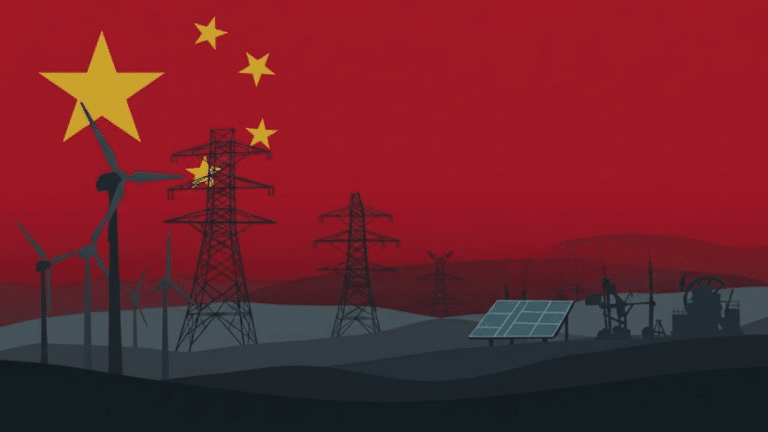
China’s Energy Powerhouse Ambitions
Two economic planning documents released at the March meeting of China's National People’s Congress include the term "energy powerhouse" for the first time.
The Iran Shock
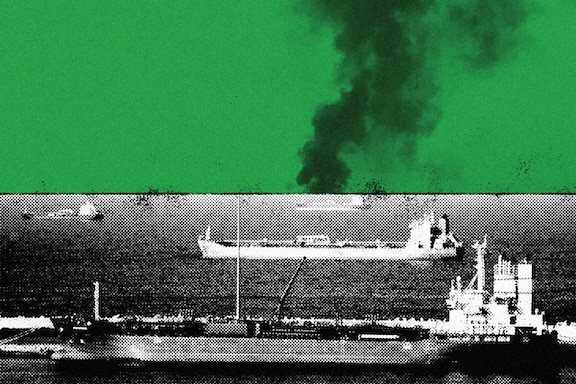
Within days of the initial U.S. and Israeli attack on Iran on February 28, 2026, the world was plunged into an energy crisis.
How the Iran War Is Changing Europe’s Energy Transition
The war in Iran is not just another energy shock. It is arriving at a moment when Europe is already under cumulative strain: a war on its eastern border, the lingering aftershocks of the 2022 energy crisis, industrial decline, political fragmentation, fiscal limits, and a widening debate over how much of its own security it must now provide.
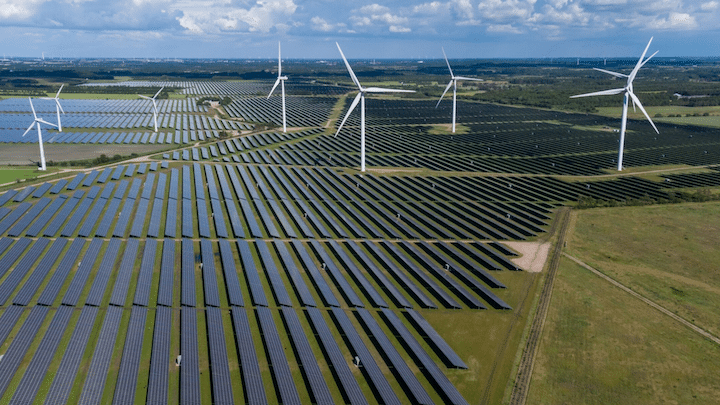
Energy is the next battlefield
Without transatlantic alignment, we risk forfeiting the very advantages our alliance was built to protect.