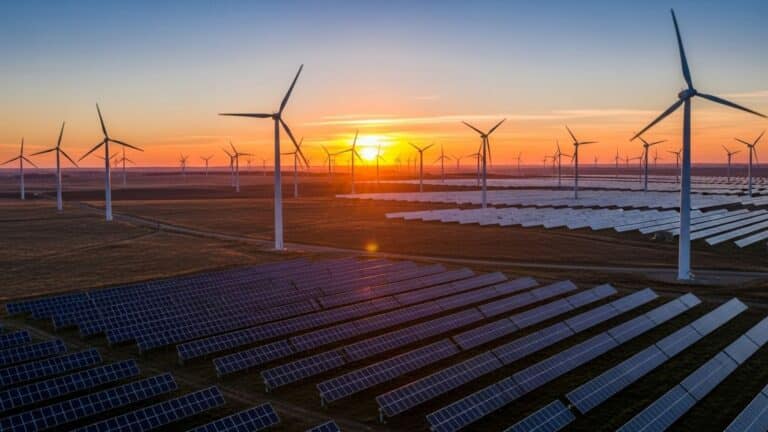
How This Historic Oil Disruption Could Reshape the Global Energy Markets
Iran, Strait of Hormuz, oil prices, solar energy, wind power, energy transition, China, renewables, global markets, energy security
Current Access Level “I” – ID Only: CUID holders, alumni, and approved guests only
Get the latest as our experts share their insights on global energy policy.
On February 28, the US and Israel launched new attacks on Iran targeting primarily the country's leadership, security forces, and missile program.

Hear in-depth conversations with the world’s top energy and climate leaders from government, business, academia, and civil society.
The climate policy landscape in the US is in flux. Last month, the Environmental Protection Agency repealed its own power to regulate greenhouse gases. Two weeks later, the...
Find out more about our upcoming and past events.
This roundtable is open only to currently enrolled Columbia University students. To register, you must sign in with your UNI. The Center on Global Energy Policy (CGEP) at...

Price spikes from the war highlight the necessity of the renewable energy transition for stability and national security, the U.N. official says.
Gas and electric prices are both up as New Yorkers have cranked up the thermostat this season.
American officials are drafting a diplomatic cable that warns dozens of countries against adopting a climate fee on the shipping industry.
European leaders pushed back after Energy Secretary Chris Wright threatened to quit the agency for using climate modeling in its forecasts.
In January 2026, the UK government publicly released an intelligence report analyzing the security implications of global environmental destruction.
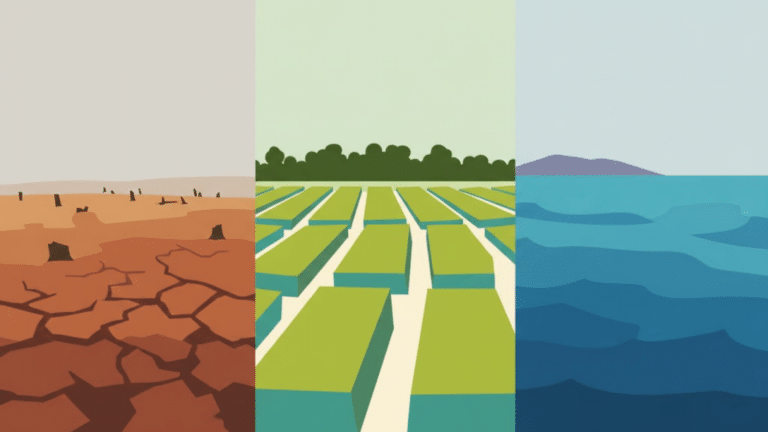
Models can predict catastrophic or modest damages from climate change, but not which of these futures is coming.

On November 6, 2025, in the lead-up to the annual UN Conference of the Parties (COP30), the Center on Global Energy Policy (CGEP) at Columbia University SIPA convened a roundtable on project-based carbon credit markets (PCCMs) in São Paulo, Brazil—a country that both hosted this year’s COP and is well-positioned to shape the next phase of global carbon markets by leveraging its experience in nature-based solutions.