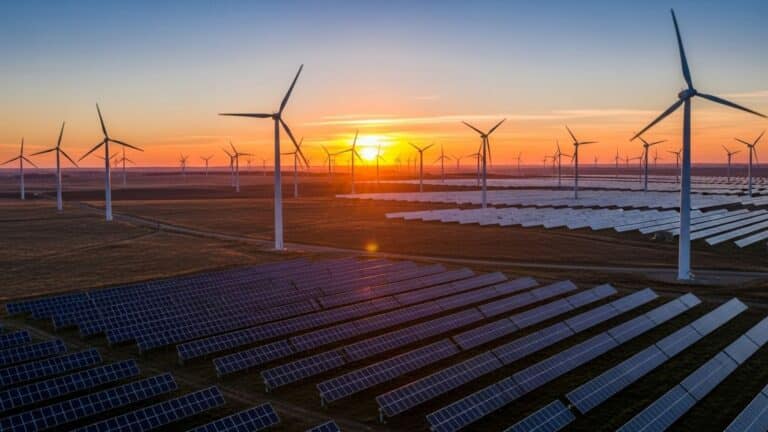
“Ce serait suicidaire” : pourquoi l’Europe redoute sa dépendance au gaz américain
Au rythme actuel, les Etats-Unis pourraient fournir 80 % du GNL dont les Européens ont besoin en 2030. Bien trop risqué dans un contexte géopolitique tendu.
Current Access Level “I” – ID Only: CUID holders, alumni, and approved guests only
Get the latest as our experts share their insights on global energy policy.
The United States is at a rare inflection point for nuclear energy, with unprecedented momentum behind deployment and regulatory reform as nuclear becomes central to energy security, AI competitiveness, and state and corporate climate goals.
Hear in-depth conversations with the world’s top energy and climate leaders from government, business, academia, and civil society.
As political support for clean energy has waxed and waned over the past twenty years, so has the government’s financial backing. In the 2010s, critics pointed to the...
Find out more about our upcoming and past events.
This workshop will be conducted in two parts: Part one on February 16 from 1:00 PM to 2:00 PM EST, and Part two on February 18 from 1:00 PM to...

Past Event
October 15, 2024
1:00 pm - 2:00 pm edt
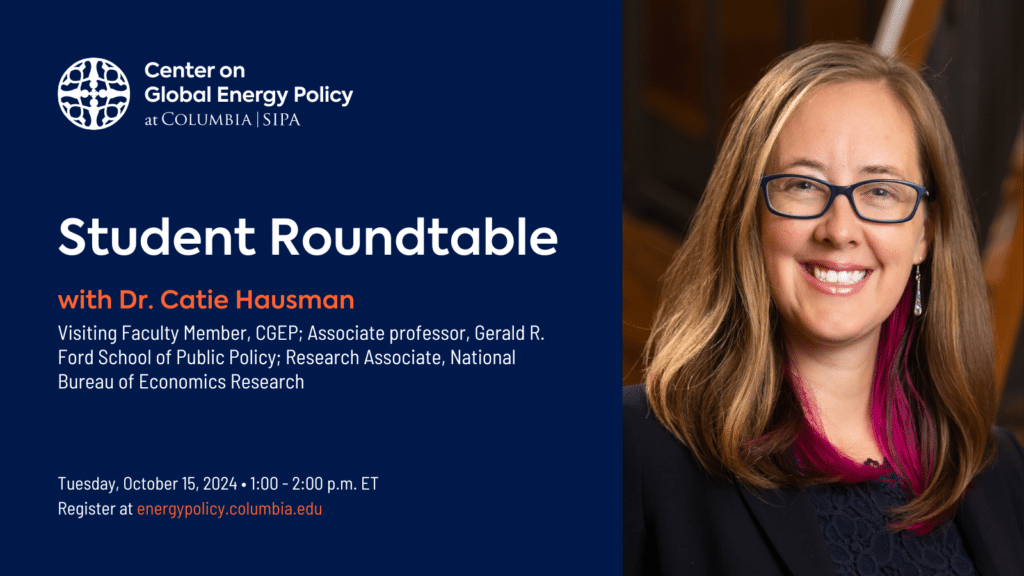
The Center on Global Energy Policy at Columbia SIPA is pleased to host Dr. Catie Hausman, Visiting Faculty Member at CGEP and Associate professor at the Gerald R. Ford School of Public Policy and a Research Associate at the National Bureau of Economics Research. Hausman will discuss how transmission network improvements can accelerate renewables deployment. She will present her research on the barriers to transmission build-out, and what this means for decarbonization.
Registration is required. This roundtable is open only to currently enrolled Columbia University students. To register, you must use the email address that contains your UNI.
This event will be hosted in person, and capacity is limited. We ask that you register only if you can attend this event in its entirety.
For more information about the event, please contact [email protected].
This workshop will be conducted in two parts: Part one on February 16 from 1:00 PM to 2:00 PM EST, and Part two on February 18 from 1:00 PM to...
The Columbia Global Energy Summit 2026 is an annual event dedicated to thought-provoking discussions around the critical energy and climate challenges facing the global community.
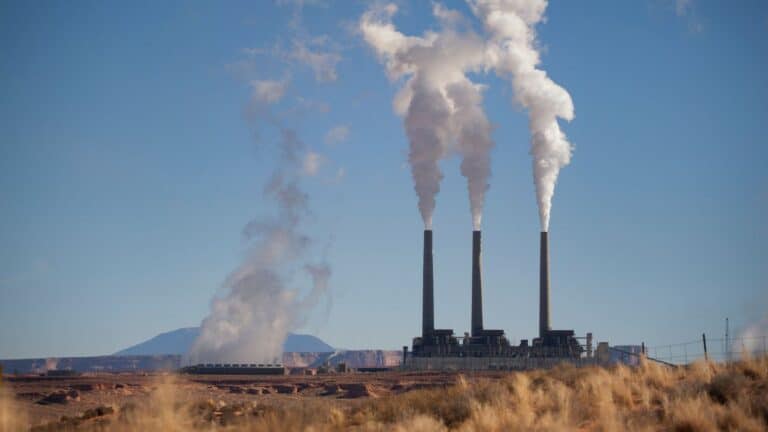
On October 22, the United States Department of the Treasury announced the imposition of sanctions on Russia’s two largest oil companies, Rosneft and Lukoil, as a penalty for what it characterized as a lack of Russian commitment to ending the war in Ukraine.


*Registration is closed for this event. The Center on Global Energy Policy at Columbia University SIPA's Women in Energy initiative, in collaboration with the Columbia Policy Institute, invites...

The decline of domestic fossil fuel production in the United States poses serious economic risks for communities that rely on fossil fuel industries for jobs and public revenues. Many of these communities lack the resources and capacity to manage those risks on their own. The absence of viable economic strategies for affected regions is a barrier to building the broad, durable coalitions needed for an equitable national transition to cleaner energy sources.
Models can predict catastrophic or modest damages from climate change, but not which of these futures is coming.

On November 6, 2025, in the lead-up to the annual UN Conference of the Parties (COP30), the Center on Global Energy Policy (CGEP) at Columbia University SIPA convened a roundtable on project-based carbon credit markets (PCCMs) in São Paulo, Brazil—a country that both hosted this year’s COP and is well-positioned to shape the next phase of global carbon markets by leveraging its experience in nature-based solutions.