Did Carbon Actually Score A Quiet Win In Congress?
When Congress approved the Fiscal Year 2026 spending bills last month, many in the carbon sector braced for cuts but reality appears more optimistic.
Current Access Level “I” – ID Only: CUID holders, alumni, and approved guests only
Get the latest as our experts share their insights on global energy policy.
The United States is at a rare inflection point for nuclear energy, with unprecedented momentum behind deployment and regulatory reform as nuclear becomes central to energy security, AI competitiveness, and state and corporate climate goals.
Hear in-depth conversations with the world’s top energy and climate leaders from government, business, academia, and civil society.
With electricity prices on the rise, the future of our power grid is attracting a lot more attention. Surging demand is at the center of the story, but...

Find out more about our upcoming and past events.
This workshop will be conducted in two parts: Part one on February 16 from 1:00 PM to 2:00 PM EST, and Part two on February 18 from 1:00 PM to...

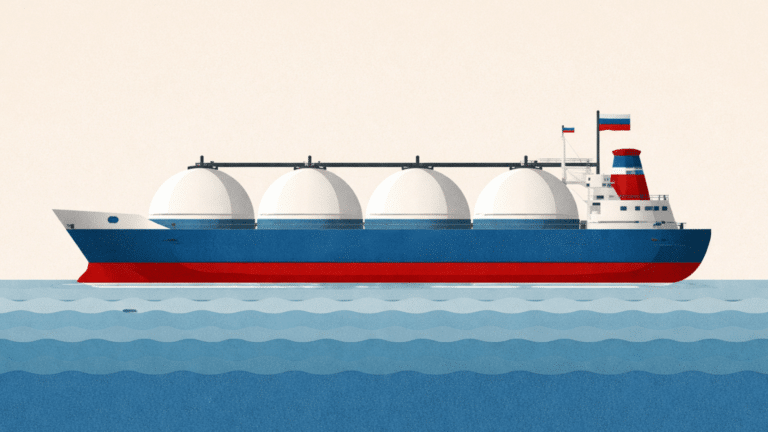
Russia’s invasion of Ukraine has exacerbated the tightening supply of natural gas, which has been underway since mid-2021, further pushing up prices for consumers and leading to fuel switching and demand destruction. It has also darkened the prospects for natural gas, especially in developing markets where it was to play a central role in energy transitions.
Natural gas demand is now expected to decline in 2022 and remain subdued until 2025. Europe’s pursuit of LNG to phase out Russian pipeline gas – combined with limited additions of new LNG export capacity – raise the risk of a prolonged market tightness and periodic shortages of natural gas.
Scaling up low-carbon gas production, the abatement of methane emissions and a faster implementation of clean energy transition policies in developed economies could help ease price competition and free up gas for price-sensitive emerging markets, where gas can deliver short-term improvements in carbon intensity and air quality by accelerating the transition away from coal.
The Center on Global Energy Policy hosted a panel of experts to discuss the latest Q3 2022 edition of the IEA’s Gas Market Report, which provides a medium-term forecast to 2025 and a short-term update on recent gas market developments in the first half of 2022.
Moderator:
Panelists:
—
https://www.youtube.com/watch?v=vWh5WQVVMLc Global gas markets are set to undergo major changes by the end of the decade, with the coming wave of liquefied natural gas (LNG) production capacity poised...

*Registration is closed for this event. The Center on Global Energy Policy at Columbia University SIPA's Women in Energy initiative, in collaboration with the Columbia Policy Institute, invites...

Women in Energy at the Center on Global Energy Policy at Columbia SIPA is pleased to host Anne-Sophie Corbeau.

https://www.youtube.com/live/uKG-yDvxzRo?si=oze-u-1IhRQNCINJ Since the start of the war in Ukraine in February 2022, the global gas market has witnessed considerable changes. This is particularly the case for the global...

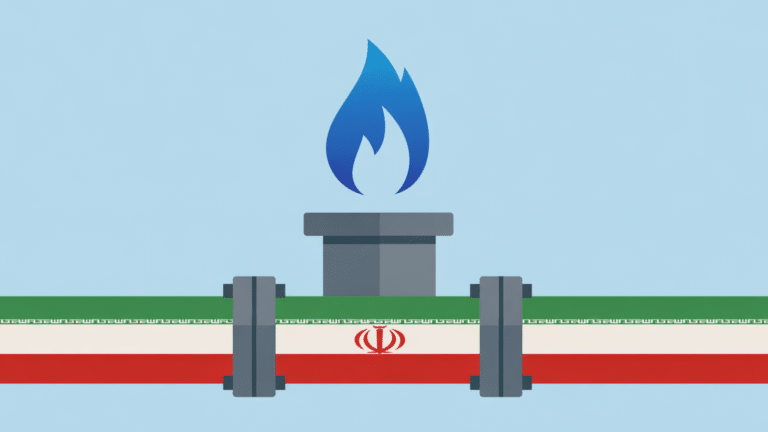
Iran appears to be a natural gas giant, due to its large proved gas reserves and significant gas production and consumption.
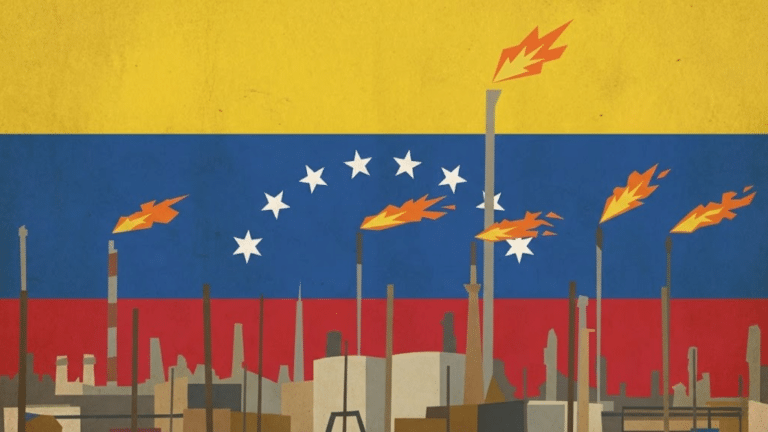
Venezuela holds 70% of Latin America's natural gas reserves, which it could export to Colombia and Trinidad to increase revenues.
Geopolitical uncertainty associated with Russian gas exports could swing the range of those exports by an estimated 150 bcm per year.