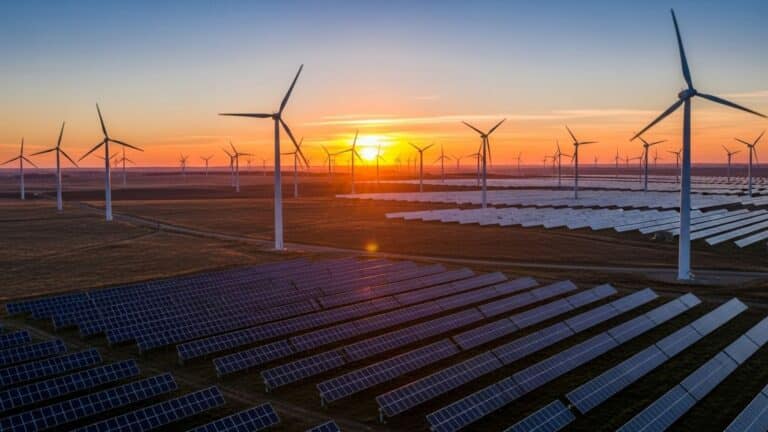
How This Historic Oil Disruption Could Reshape the Global Energy Markets
Iran, Strait of Hormuz, oil prices, solar energy, wind power, energy transition, China, renewables, global markets, energy security
Current Access Level “I” – ID Only: CUID holders, alumni, and approved guests only
Get the latest as our experts share their insights on global energy policy.
On February 28, the US and Israel launched new attacks on Iran targeting primarily the country's leadership, security forces, and missile program.

Hear in-depth conversations with the world’s top energy and climate leaders from government, business, academia, and civil society.
The climate policy landscape in the US is in flux. Last month, the Environmental Protection Agency repealed its own power to regulate greenhouse gases. Two weeks later, the...
Find out more about our upcoming and past events.
This roundtable is open only to currently enrolled Columbia University students. To register, you must sign in with your UNI. The Center on Global Energy Policy (CGEP) at...

Past Event
February 12, 2020
6:00 pm - 7:30 pm
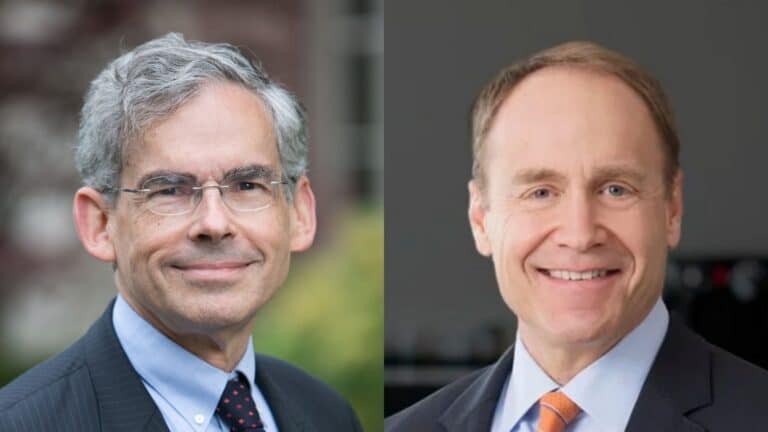
Carbon capture has emerged over the past two years as both an essential part of a climate response strategy and a new market for investors. In large part, this is due to new US policies that helps align markets to CO2 reduction and removal. One of the most important policies is a change to the US tax code, section 45Q, which creates a tax credit awarded to the capture and long-term internment of CO2. This new law has implications for US industry, innovation, clean power, and global competitiveness, and is already influencing banks, equity, and institutional investors as the next clean energy market opportunity. Understanding the law, its interpretation, and associated regulations will be critical to successful deployment of carbon capture projects in US electricity and industrial sectors. Please join CGEP’s Carbon Management Research Initiative and Women in Energy program for this exceptional panel of leaders and experts to discuss 45Q and other policies for carbon capture. Speakers: Judi Greenwald is a Fellow at Princeton University’s Andlinger Center for Energy and the Environment. She is also the Principal of Greenwald Consulting LLC, providing energy and environmental expert advice, strategic planning, and policy analysis to clients. Until 2017, Ms. Greenwald was the Deputy Director for Climate, Environment, and Energy Efficiency in the U.S. Department of Energy’s (DOE’s) Office of Energy Policy and Systems Analysis. Ms. Greenwald also served as a Senior Advisor to the Secretary for Climate Change. Romany Webb is a Senior Fellow with the Columbia University Sabin Center for Climate Changer Law. Prior to joining the Sabin Center, Ms. Webb worked at the University of California Berkeley Energy and Climate Institute. Ms. Webb also completed a fellowship with the Kay Bailey Hutchison Center for Energy, Law, and Business at the University of Texas at Austin, where she researched energy policy. The fellowship followed several years working in private practice in Sydney, Australia. Julio Friedmann (Moderator) is a Senior Research Scholar at the Center for Global Energy Policy at Columbia University. He served as Principal Deputy Assistant Secretary for the Office of Fossil Energy at the Department of Energy. Dr. Friedmann also held positions at Lawrence Livermore National Laboratory, including Senior Advisor for Energy Innovation and Chief Energy Technologist. He is also the CEO of Carbon Wrangler, LLC, is a Distinguished Associate at the Energy Futures Initiative, and serves as a special advisor to the Global CCS Institute. He was recently named as a Senior Fellow to the Breakthrough Institute and the Climate Leadership Council. — Guests unable to attend in person can register to view a livestream of the event by accessing the registration link above. This event is open to press. Media should register for this event. Media inquiries or requests for interviews should be directed to Artealia Gilliard ([email protected]) or Genna Morton ([email protected]). Please note: RSVP to this event does not guarantee entry. Seating will be on a first-come, first-served basis until capacity is reached for both the public and press. Flash photography and video recording are prohibited. For more information contact: [email protected].
This roundtable is open only to currently enrolled Columbia University students. To register, you must sign in with your UNI. The Center on Global Energy Policy (CGEP) at...
The Center on Global Energy Policy (CGEP) at Columbia SIPA and the Fashion, Energy, and Climate Network invite you to join the first session of our new talk...

The Columbia Global Energy Summit 2026 is an annual event dedicated to thought-provoking discussions around the critical energy and climate challenges facing the global community.
This event is open to Columbia University students only. Join the Center on Global Energy Policy’s Women in Energy initiative for an interactive discussion on human rights and...
In January 2026, the UK government publicly released an intelligence report analyzing the security implications of global environmental destruction.
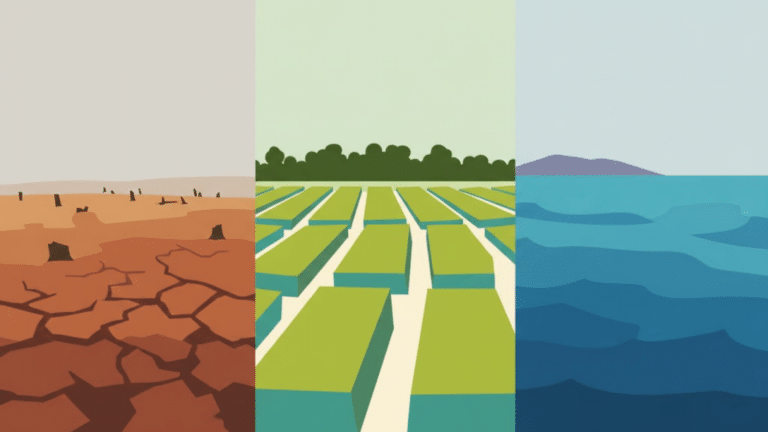
Models can predict catastrophic or modest damages from climate change, but not which of these futures is coming.

On November 6, 2025, in the lead-up to the annual UN Conference of the Parties (COP30), the Center on Global Energy Policy (CGEP) at Columbia University SIPA convened a roundtable on project-based carbon credit markets (PCCMs) in São Paulo, Brazil—a country that both hosted this year’s COP and is well-positioned to shape the next phase of global carbon markets by leveraging its experience in nature-based solutions.