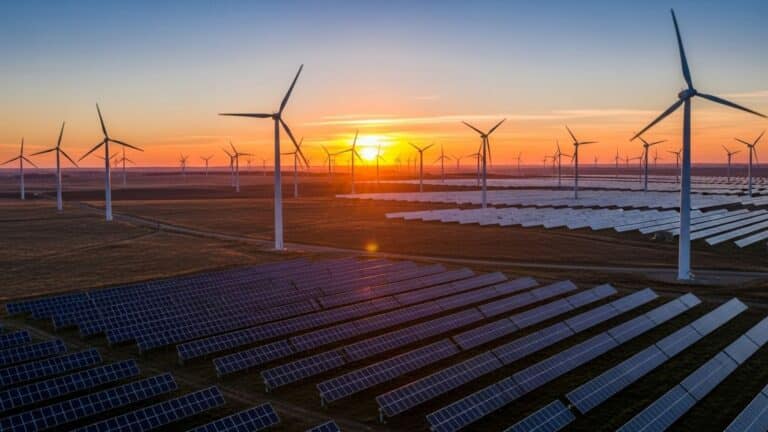
US-Israeli War on Iran Upends Gulf States’ Safe-Haven Image, Plans for Post-Oil Economies
Tushar Gagerna, an Indian marketing professional based in Dubai, had been waiting for two hours for his plane to take off from
Current Access Level “I” – ID Only: CUID holders, alumni, and approved guests only
Get the latest as our experts share their insights on global energy policy.
On February 28, the US and Israel launched new attacks on Iran targeting primarily the country's leadership, security forces, and missile program.

Hear in-depth conversations with the world’s top energy and climate leaders from government, business, academia, and civil society.
The climate policy landscape in the US is in flux. Last month, the Environmental Protection Agency repealed its own power to regulate greenhouse gases. Two weeks later, the...
Find out more about our upcoming and past events.
This roundtable is open only to currently enrolled Columbia University students. To register, you must sign in with your UNI. The Center on Global Energy Policy (CGEP) at...

Past Event
September 17, 2019
6:00 pm - 7:30 pm
As presidential candidates, policymakers and businesses take a renewed interest in comprehensive federal climate policy, it’s clear that the details of any policy could make or break its success. Carbon taxes are frequently proposed as a cornerstone climate policy solution, but a chief concern for policymakers is how much to charge for each ton of carbon dioxide emissions. Please join leading experts at the Center on Global Energy Policy, the Environmental Defense Fund, and Tufts University to explore approaches for setting carbon tax rates and the implication of different choices, from emissions reductions to energy prices and economic outcomes. Panelists include: Susanne Brooks, Senior Director of U.S. Climate Policy & Analysis at the Environmental Defense Fund; Noah Kaufman, PhD, CGEP Research Scholar; and Gilbert E. Metcalf, PhD, John DiBiaggio Professor of Citizenship and Public Service and Professor of Economics at Tufts University. Dr. Metcalf will also give an overview of his book Paying for Pollution: Why a Carbon Tax is Good for America (Oxford Univ. Press, 2019), which examines the economic and social costs of climate change and the challenges of concerted action to reduce future losses due to damages of higher temperatures and more extreme weather. The book argues that that a thoughtfully and politically sensitive designed carbon tax could also contribute to an improved tax system, and compares the benefits of a carbon tax to other potential policies, such as cap and trade, to reduce the threats of climate change. — Guests unable to attend in person can register to view a livestream of the event. This event is open to press. Media should register for this event. Media inquiries or requests for interviews should be directed to Artealia Gilliard ([email protected]) or Genna Morton ([email protected]). Please note: RSVP to this event does not guarantee entry. Seating will be on a first-come, first-served basis until capacity is reached for both the public and press. Flash photography and video recording are prohibited. For more information contact: [email protected].
This roundtable is open only to currently enrolled Columbia University students. To register, you must sign in with your UNI. The Center on Global Energy Policy (CGEP) at...
The Center on Global Energy Policy (CGEP) at Columbia SIPA and the Fashion, Energy, and Climate Network invite you to join the first session of our new talk...

The Columbia Global Energy Summit 2026 is an annual event dedicated to thought-provoking discussions around the critical energy and climate challenges facing the global community.
This event is open to Columbia University students only. Join the Center on Global Energy Policy’s Women in Energy initiative for an interactive discussion on human rights and...
In January 2026, the UK government publicly released an intelligence report analyzing the security implications of global environmental destruction.
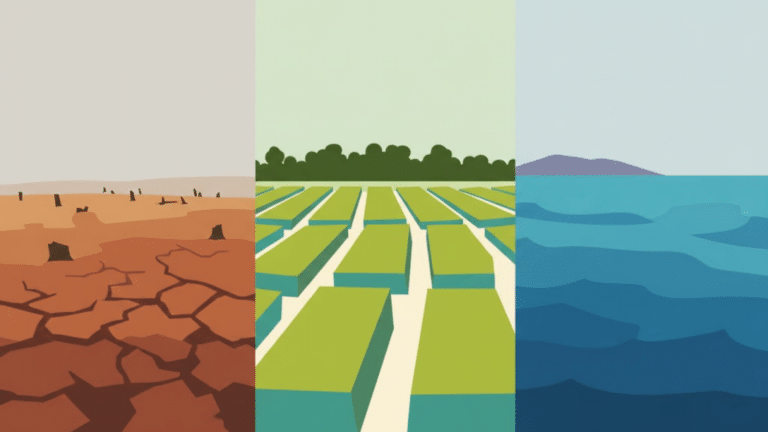
Models can predict catastrophic or modest damages from climate change, but not which of these futures is coming.

On November 6, 2025, in the lead-up to the annual UN Conference of the Parties (COP30), the Center on Global Energy Policy (CGEP) at Columbia University SIPA convened a roundtable on project-based carbon credit markets (PCCMs) in São Paulo, Brazil—a country that both hosted this year’s COP and is well-positioned to shape the next phase of global carbon markets by leveraging its experience in nature-based solutions.