China Briefing 20 August 2026: Oil and gas plan | Xi on climate change | Coal five-year plan
In this issue, Carbon Brief examines China’s five-year plan for coal.
Get the latest as our experts share their insights on global energy policy.
President Trump issued a proclamation on August 6 imposing tariffs on polysilicon and solar products.

Hear in-depth conversations with the world’s top energy and climate leaders from government, business, academia, and civil society.
Abundance and affordability have become buzzwords among policymakers, who often have sharply different interpretations of how to attain them. To some, an energy abundance agenda means fewer regulatory...
Find out more about our upcoming and past events.
Join industry leaders, innovators, employers, and emerging talent for an evening exploring the technologies, trends, and career opportunities shaping the future of climate tech.

The offshore wind energy industry is on the cusp of breaking out in the U.S., with the government anticipating 2,000 turbines with 22 gigawatts of capacity in federal waters in the Atlantic Ocean over 10 years.
In this episode of Columbia Energy Exchange, host Bill Loveless is joined by Thomas Brostrøm, whose company is a leader in the industry around the world. Thomas is the president of Ørsted North America and CEO for Ørsted U.S. Offshore Wind. He joined Bill from Boston to talk about plans that Ørsted Energy has to build wind farms in waters up and down the U.S. East Coast.
All told, Ørsted has 10 offshore wind farms in the U.S., including ones in Rhode Island and Virginia that are the first to operate in this country.
Throughout the world, Ørsted has built more offshore wind farms than any other developer. By 2022, it expects to expand its offshore wind capacity to nearly 10 gigawatts, with projects in the U.S., Europe and Asia.
This from a business once known as Danish Oil and Gas Company. Thomas and Bill talk about the transition that Ørsted has undergone in recent years and whether it serves as a model for other fossil fuel companies looking to move into greener forms of energy.
They also look at the policy and economic factors promoting investments in U.S. offshore wind by Ørsted and other companies, the economic development that could accompany the industry’s emergence here, and the challenges it faces in moving ahead.
Prior to joining Ørsted, Thomas was in the investment banking and venture capital business.
Abundance and affordability have become buzzwords among policymakers, who often have sharply different interpretations of how to attain them. To some, an energy abundance agenda means fewer regulatory...
It started last year as a pressure campaign at sea, with the United States seizing tankers as part of what President Trump called a “total and complete blockade”...
Over the past five months, the Strait of Hormuz has been closed for extended stretches of time, disrupting roughly 10 to 15 million barrels of oil supply each...

As the demand for power surges across the US, the debate over how to build energy infrastructure has reached a fever pitch. And while both sides of the...
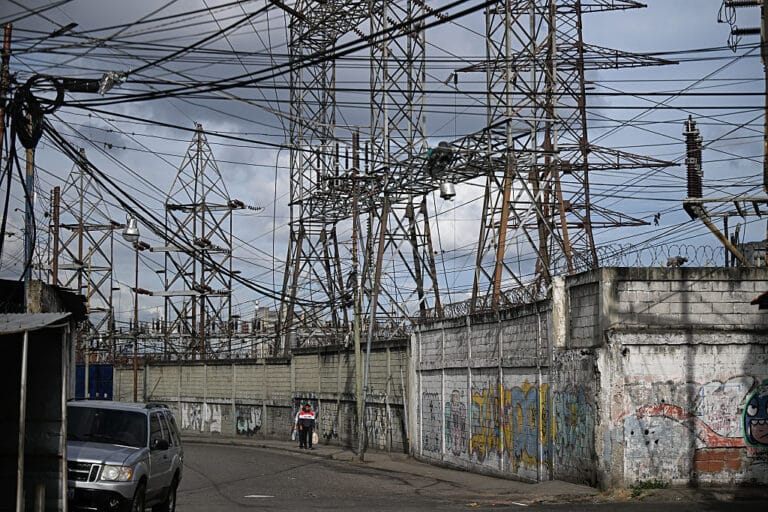
Simultaneous pressures are colliding at the worst possible time, making power generation a central test of the country’s capacity to recover.
President Trump issued a proclamation on August 6 imposing tariffs on polysilicon and solar products.
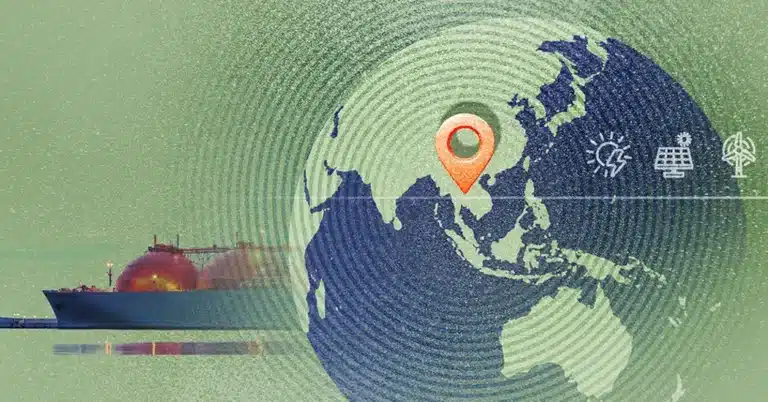
The centre of gravity of the global energy system has definitively shifted eastward, driven by rapid industrialisation, expanding urban populations, and rising
Data centers face growing local opposition as states impose moratoriums on hyperscale projects and grid connections. Communities can negotiate deals for tax revenue and jobs.