Morningside Campus Status Updates

Current Access Level “I” – ID Only: CUID holders, alumni, and approved guests only

  • Campus open to active affiliate Columbia University ID (CUID) holders and approved guests only.
  • Columbia students, faculty, and staff can use the guest registration portal to register up to two same-day guests. Alumni can use the portal to register for campus same-day access as well. Learn more below.

News

Explore our expert insights and analysis in leading energy and climate news stories.

Energy Explained

Get the latest as our experts share their insights on global energy policy.

Podcasts

Hear in-depth conversations with the world’s top energy and climate leaders from government, business, academia, and civil society.

Events

Find out more about our upcoming and past events.

About Us

We are the premier hub and policy institution for global energy thought leadership. Energy impacts every element of our lives, and our trusted fact-based research informs the decisions that affect all of us.

Podcast
Columbia Energy Exchange

U.S. Energy Policy After the Elections: Part 1

Guest

Trent Lott

Former Senate Majority Leader

In the first episode of a two part series with former U.S. senators on the challenges an opportunities when it comes to energy and the environment for the next president of the United States, host Bill Loveless sits down with Trent Lott, a former U.S. Senate Majority Leader who served his home state of Mississippi in both the House and Senate from 1973 to 2007. They talk about: the breakdown in relations between Republicans and Democrats and whether Congress can work on a bipartisan basis to legislate on energy and the environment; energy challenges since the 1970s, and how Congress dealt with them; how a Clinton and Trump presidency would differ on energy and climate policies.

Related

More Episodes

Our Work

Relevant
Publications

Assessing US Government Efforts to Support Fossil Fuel–Reliant Communities

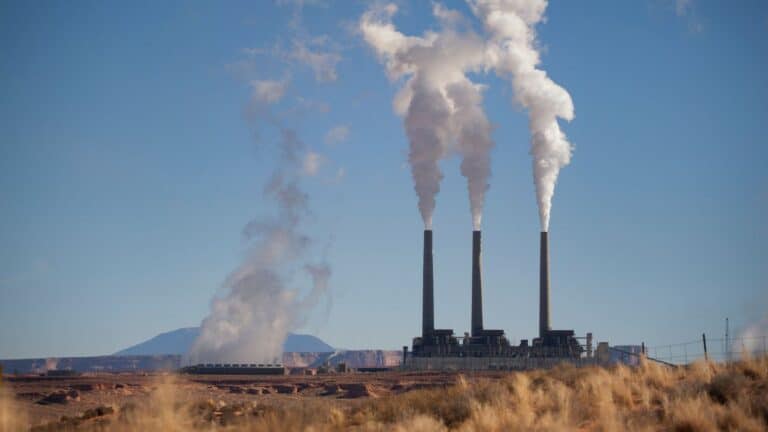
The decline of domestic fossil fuel production in the United States poses serious economic risks for communities that rely on fossil fuel industries for jobs and public revenues. Many of these communities lack the resources and capacity to manage those risks on their own. The absence of viable economic strategies for affected regions is a barrier to building the broad, durable coalitions needed for an equitable national transition to cleaner energy sources.

Reports by Noah Kaufman • February 05, 2026
Assessing US Government Efforts to Support Fossil Fuel–Reliant Communities
See All Work