This website uses cookies as well as similar tools and technologies to understand visitors’ experiences. By continuing to use this website, you consent to Columbia University’s usage of cookies and similar technologies, in accordance with the Columbia University Website Cookie Notice.
Energy Explained
Get the latest as our experts share their insights on global energy policy.
G7 Progress on Critical Minerals Diversification Overlooks Demand Side
This Energy Explained post represents the research and views of the author(s). It does not necessarily represent the views of the Center on Global Energy Policy. The piece...

Podcasts
Hear in-depth conversations with the world’s top energy and climate leaders from government, business, academia, and civil society.
Michael Cembalest Does the Math on the Energy Transition
The energy transition is in the midst of its own transition. Spiking electricity demand and geopolitical events are driving up energy prices, while debates over the best sources...

Podcast
Universal Access To Reliable Energy: How Much Progress Has Been Made?
June 1, 2020
Universal access to affordable, reliable, sustainable and modern energy by 2030 has been a goal of the United Nations since 2015. And much progress has been made, as the UN, the World Bank and other international organizations make clear in a new report. But there’s still a long way to go. And the pandemic raging around the world now will only make meeting the goal more difficult.
In this edition of Columbia Energy Exchange, host Bill Loveless talks with Makhtar Diop, the vice president for infrastructure at the World Bank. He leads the bank’s efforts to develop sustainable solutions and help close the infrastructure gap in developing and emerging economies.
Makhtar discusses the reasons behind the progress that has been made around the world and the impediments keeping the goal of universal access still out of the reach of so many people, especially in Sub-Saharan Africa. The latest challenge, he notes, is the pandemic.
He also explains what the World Bank is doing to alleviate these needs, including new initiatives in the works.
The Tracking SDG-7 Energy Progress Report was released by the UN Statistical Division, the World Bank, the International Energy Agency, the International Renewable Energy Agency and the World Health Organization.
Prior to taking on this current role at the World Bank in 2018, Makhtar was the institution’s vice president for Africa, where he oversaw the delivery of a record-breaking $70 billion to Sub-Saharan Africa to address development challenges, like increasing access to affordable and sustainable energy.
Prior to these and other roles at the World Bank and the International Monetary Fund, Makhtar started his career in the banking sector and held government positions, including minister of economy and finance in his native Senegal.
He holds degrees in economics from the Universities of Warwick and Nottingham in England.
More Episodes
Michael Cembalest Does the Math on the Energy Transition
The energy transition is in the midst of its own transition. Spiking electricity demand and geopolitical events are driving up energy prices, while debates over the best sources...
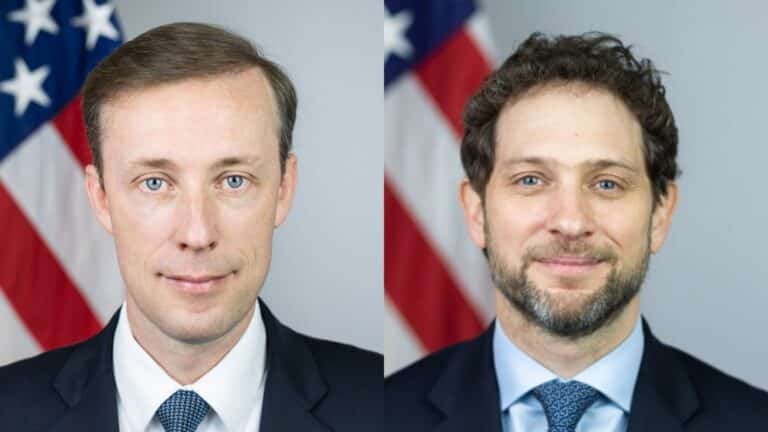
Jake Sullivan and Jon Finer on the US-Iran Deal, Hormuz Realities, and Iran’s Nuclear Future
Yesterday, the US and Iran signed a memorandum of understanding starting the clock on a 60-day truce. The agreement intends to halt attacks, begin lifting the US naval...
Columbia Energy Exchange Podcast
• June 18, 2026
Iran Conflict Brief: The US-Iran Deal and a New Phase of Accommodation
The 109-day-old Iran crisis is heading toward an off-ramp in the form of a not-yet-public Memorandum of Understanding to reopen the Strait of Hormuz. While energy markets are...
Columbia Energy Exchange Podcast
with Karen E. Young
, Richard Nephew
and Ira Joseph
• June 16, 2026

Jessica Uhl on the Fractured Energy Transition: Why Speed Matters Now
The clean energy transition had real momentum at the end of 2024. It was buoyed by federal support, billions of dollars of investment in new technologies, and broad...

Relevant
Publications
G7 Progress on Critical Minerals Diversification Overlooks Demand Side
This Energy Explained post represents the research and views of the author(s). It does not necessarily represent the views of the Center on Global Energy Policy. The piece...