This website uses cookies as well as similar tools and technologies to understand visitors’ experiences. By continuing to use this website, you consent to Columbia University’s usage of cookies and similar technologies, in accordance with the Columbia University Website Cookie Notice.
Energy Explained
Get the latest as our experts share their insights on global energy policy.
European Gas Storage: The World’s Winter Buffer Is Dwindling
Europe is entering the 2026 gas injection season with its lowest level of gas in storage since 2018.
Podcasts
Hear in-depth conversations with the world’s top energy and climate leaders from government, business, academia, and civil society.
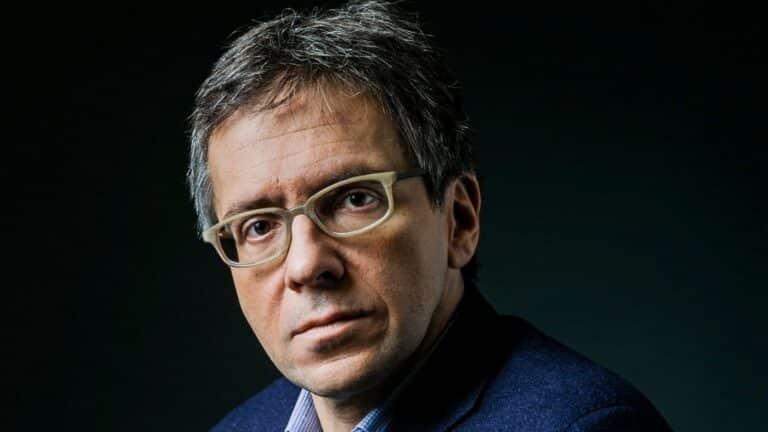
Ian Bremmer on Navigating a Fragmenting World
The global order that shaped the past several decades is giving way to a more fragmented and uncertain world. Long-standing alliances are under strain, economic integration is giving...
Building on research from the Center on Global Energy Policy—a three-part series on nuclear technology, the geopolitics of nuclear energy, and U.S. policy—this panel examined the history of nuclear power, its future, and the policy and business choices that lie ahead. This event was made possible, in part, by support from the Sasakawa Peace Foundation. Distinguished experts on the panel included: Dr. Andrew Kadak, Tim Frazier, Dr. Patricia Culligan, Dr. Nicola de Blasio, and Richard Nephew.
More Episodes
Ian Bremmer on Navigating a Fragmenting World
The global order that shaped the past several decades is giving way to a more fragmented and uncertain world. Long-standing alliances are under strain, economic integration is giving...
Amos Hochstein on the Strait of Hormuz Opening and Where the War is Headed
It’s been a head-spinning day in the Iran war. Earlier today, following a temporary truce between Lebanon and Israel, Iran announced that the Strait of Hormuz would be...

Iran Conflict Brief: Will the Ceasefire Hold? Analyzing Tehran’s High-Stakes Diplomacy
With an April 21 deadline looming, the Middle East remains suspended in a volatile state of war and peace. Regional mediators are scrambling to broker a second round...
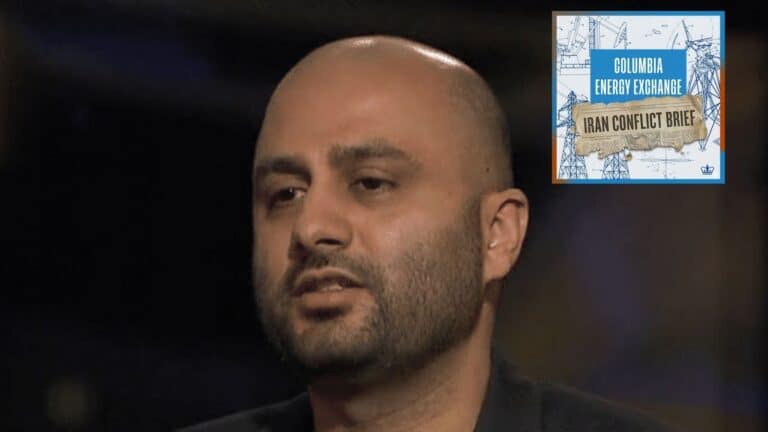
Rajiv Shah on Advancing Universal Abundant Energy Access
Energy abundance means different things in today’s global context than it did even a decade ago. It is about expanding electricity access while meeting rising energy demand. It...
Relevant
Publications
The Importance of an Independent Nuclear Safety Regulator: Roundtable Summary
On February 24, 2026, CGEP hosted a private virtual roundtable under the Chatham House rule to discuss the importance of an independent nuclear safety regulator.
The Abiding Question of the Iranian Bomb
America needs a plan for Tehran's nuclear program.

How an Amended DOE Contract for Nuclear Waste Will Affect New Reactors: Considerations for Policymakers
Concerns about greenhouse gas emissions, air pollution, and energy security are driving increased interest in nuclear power.
Making Nuclear Regulatory Reform Durable: Efficiency Backed by Credibility and Predictability
The United States is at a rare inflection point for nuclear energy, with unprecedented momentum behind deployment and regulatory reform as nuclear becomes central to energy security, AI competitiveness, and state and corporate climate goals.