View / Hormuz limbo is now global oil’s top risk
Lost supply and a projected demand rebound have placed the oil market in a fragile equilibrium.
Sabin Center for Climate Change Law and Bracewell
In a 6-3 decision in West Virginia v. EPA, Supreme Court justices determined that the Environmental Protection Agency (EPA) overstepped its authority in regulating carbon dioxide emissions from power plants. Since the Thursday decision, several environmental groups have called the monumental ruling devastating to the Biden administration’s efforts to facilitate a clean energy transition.
For a breakdown of the decision and its implications for climate regulations moving forward, host Bill Loveless spoke with legal experts Michael Gerrard and Jeff Holmstead.
Michael is founder and director of the Sabin Center for Climate Change Law at Columbia University. He has pioneered innovative legal strategies and teaches courses on environmental law, climate change law and energy regulation. Before his time at Columbia, Michael was the head of the New York law office of Arnold & Porter.
Jeff heads the Environmental Strategies Group at the law firm Bracewell. He previously served as assistant administrator for air and radiation at the EPA under President George W. Bush from 2001 to 2005. During his tenure, he was one of the architects behind the Clean Air Interstate Rule, the Clean Air Diesel Rule and the Mercury Rule for power plants.
The pair discussed precisely how the rule curbs the EPA’s power, where it stops short, and the kind of legal precedence it sets for future cases.

Abundance and affordability have become buzzwords among policymakers, who often have sharply different interpretations of how to attain them. To some, an energy abundance agenda means fewer regulatory...
It started last year as a pressure campaign at sea, with the United States seizing tankers as part of what President Trump called a “total and complete blockade”...
Over the past five months, the Strait of Hormuz has been closed for extended stretches of time, disrupting roughly 10 to 15 million barrels of oil supply each...
As the demand for power surges across the US, the debate over how to build energy infrastructure has reached a fever pitch. And while both sides of the...
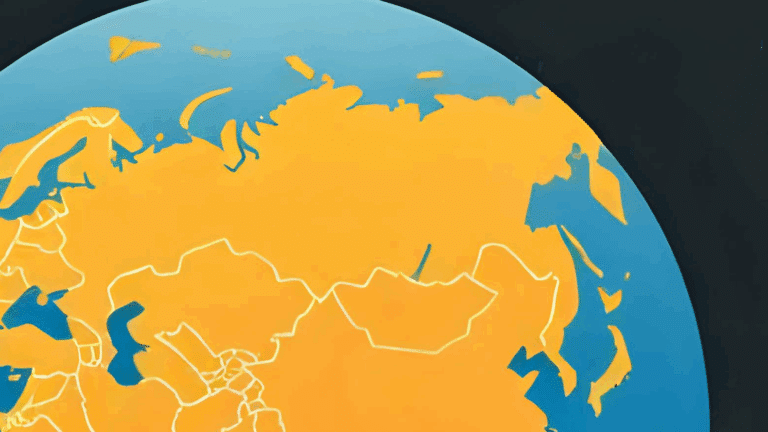
The centre of gravity of the global energy system has definitively shifted eastward, driven by rapid industrialisation, expanding urban populations, and rising
Data centers face growing local opposition as states impose moratoriums on hyperscale projects and grid connections. Communities can negotiate deals for tax revenue and jobs.
By almost any measure, the world should be suffering a far more severe energy crisis.
The ongoing disruption of oil exports through the Strait of Hormuz has caused a substantial decline in China's crude oil imports.