This website uses cookies as well as similar tools and technologies to understand visitors’ experiences. By continuing to use this website, you consent to Columbia University’s usage of cookies and similar technologies, in accordance with the Columbia University Website Cookie Notice.
Energy Explained
Get the latest as our experts share their insights on global energy policy.
What a US-Saudi Arabia Nuclear Agreement Could Mean
The Trump administration and Saudi leadership have reportedly agreed to a nuclear agreement that could enable US nuclear technology transfers to Saudi Arabia.

Podcasts
Hear in-depth conversations with the world’s top energy and climate leaders from government, business, academia, and civil society.
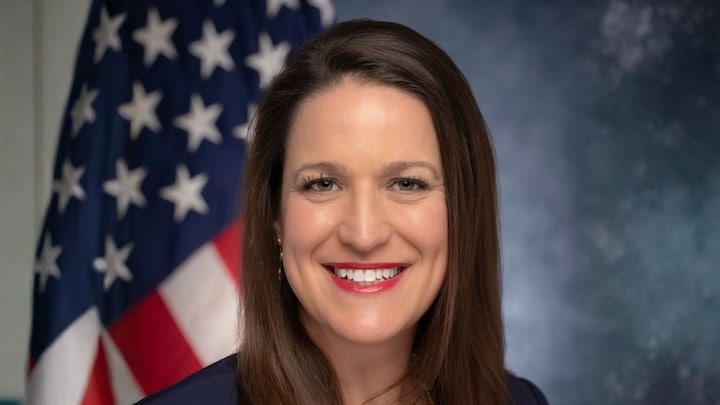
DOE’s Audrey Robertson on Growing US Critical Mineral Supply
Advanced technologies, a return to domestic manufacturing, and the race to control energy production while also confronting surging demand for electricity—all of these factors mean that for the...
Columbia Energy Exchange Podcast
• September 1, 2026
Events
Find out more about our upcoming and past events.
September 10, 2026
• 10:00 am - 11:00 am
edt
Carbon Markets Webinar: The Path Forward for Carbon Credit Markets
PCCMs facilitate the generation, trading, and retirement of carbon credits from projects that remove, reduce, or avoid greenhouse gas emissions. By creating a revenue stream from verified climate...
Event

Neil Chatterjee, Chairman of the Federal Energy Regulatory Commission, joins Phil Sharp, a former U.S. representative for the state of Indiana and a member of the advisory board at the Center on Global Energy Policy, on this special edition of the Columbia Energy Exchange podcast, recorded live at the 2019 Columbia Global Energy Summit.
They discuss the technological and market changes that have impacted the regulatory landscape of U.S. energy, the efficiencies of a competitive market, threats to the resilience and security of power-grids, and FERC’s role in addressing the threat of climate change.
Chairman Chatterjee was confirmed to the FERC by the Senate in 2017, serving as Chairman from August to December 2017 and from October 2018 to present. Prior to joining, he was energy policy advisor to U.S. Senate Majority Leader Mitch McConnell (R-KY). Before this, he worked as a Principal in Government Relations for the National Rural Electric Cooperative Association and as an aide to House Republican Conference Chairwoman Deborah Pryce. He began his career in Washington, D.C. with the House Committee on Ways and Means.
On April 10, the 2019 Columbia Global Energy Summit in New York City hosted top politicians, business leaders, and academics for a variety of lively discussions on what to expect in changes to the oil and gas landscape, the latest research on powering the low-carbon transition, navigating U.S. political fields to advance climate solutions, how to assess risk and build grid resilience, and much more.
More Episodes
DOE’s Audrey Robertson on Growing US Critical Mineral Supply
Advanced technologies, a return to domestic manufacturing, and the race to control energy production while also confronting surging demand for electricity—all of these factors mean that for the...
Columbia Energy Exchange Podcast
• September 1, 2026
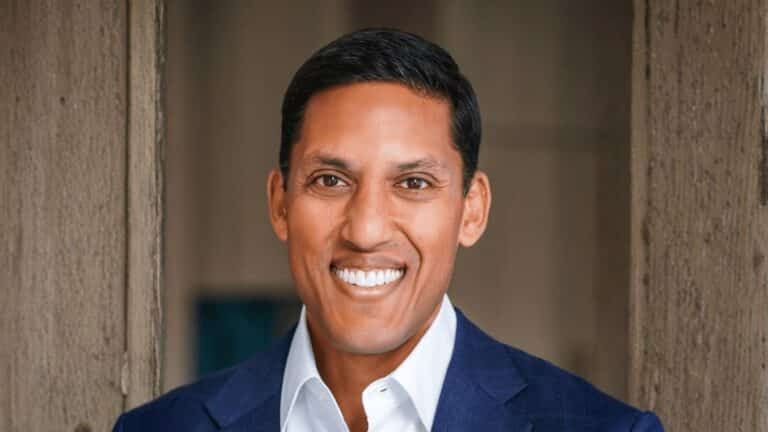
Editor’s Pick: Rajiv Shah on Delivering Universal Abundant Energy Access
Energy abundance means different things in today’s global context than it did even a decade ago. It is about expanding electricity access while meeting rising energy demand. It...
Columbia Energy Exchange Podcast
• August 25, 2026
Matthew Yglesias on Abundance and the Politics of Energy
Abundance and affordability have become buzzwords among policymakers, who often have sharply different interpretations of how to attain them. To some, an energy abundance agenda means fewer regulatory...

Luisa Palacios on Rebuilding Venezuela’s Oil Industry After the Quakes
It started last year as a pressure campaign at sea, with the United States seizing tankers as part of what President Trump called a “total and complete blockade”...

Relevant
Publications
What a US-Saudi Arabia Nuclear Agreement Could Mean
The Trump administration and Saudi leadership have reportedly agreed to a nuclear agreement that could enable US nuclear technology transfers to Saudi Arabia.
Nepal Floods Test Resilience of Its Hydropower-Dependent Economy
The Nepal flood that has left 1,000 people dead and close to 4,000 people missing, as of September 1, has also damaged hydropower plants that the country relies on.