China Briefing 20 August 2026: Oil and gas plan | Xi on climate change | Coal five-year plan
In this issue, Carbon Brief examines China’s five-year plan for coal.
Get the latest as our experts share their insights on global energy policy.
President Trump issued a proclamation on August 6 imposing tariffs on polysilicon and solar products.

Hear in-depth conversations with the world’s top energy and climate leaders from government, business, academia, and civil society.
Abundance and affordability have become buzzwords among policymakers, who often have sharply different interpretations of how to attain them. To some, an energy abundance agenda means fewer regulatory...

Find out more about our upcoming and past events.
Join industry leaders, innovators, employers, and emerging talent for an evening exploring the technologies, trends, and career opportunities shaping the future of climate tech.

Sanctions have become part of the Russian economic landscape since the crisis in Ukraine broke out in December 2013. They have had an impact on the Russian economy, but have yet to change the situation in Ukraine. Reports continue to emerge that the Russian government is arming and supporting insurgents in eastern Ukraine, while the political process that was supposed to help the temporary cease-fire begun in February 2015 appears to have stalled. New sanctions may therefore prove necessary, if the United States and European Union continue with their efforts to persuade Russia to contribute positively to a political solution and deter Russia from further intervention in Ukraine. One possible area for new sanctions is in the field of oil exports. Richard Nephew, a fellow at the Center on Global Energy Policy and program director for economic statecraft, sanctions and energy markets, examines the possible role that an oil export reduction strategy could play in Russia. In noting the pitfalls and complications, he argues that such a strategy could be part of the overall approach to Russia, but that both different sanctions measures and a holistic approach to Russia-Ukraine policy are necessary for any effort to be successful.
The executive summary is below and the full document can be downloaded here (PDF).
***
Issue Brief: Revisiting Oil Sanctions on Russia
Richard Nephew
July 2015
This paper reviews the state of the Russian economy and the role oil exports play in it. It offers an assessment of various scenarios, based on Russian economic data, for the application of sanctions pressure on Russian oil exports. I conclude that:
By almost any measure, the world should be suffering a far more severe energy crisis.
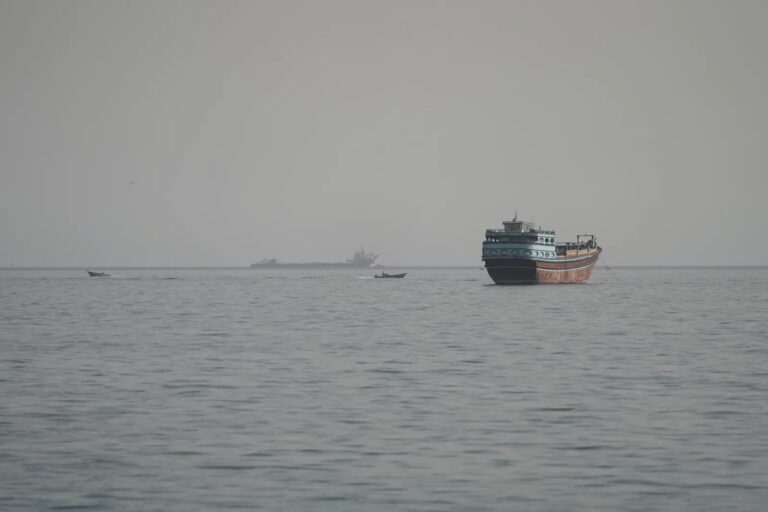
The ongoing disruption of oil exports through the Strait of Hormuz has caused a substantial decline in China's crude oil imports.
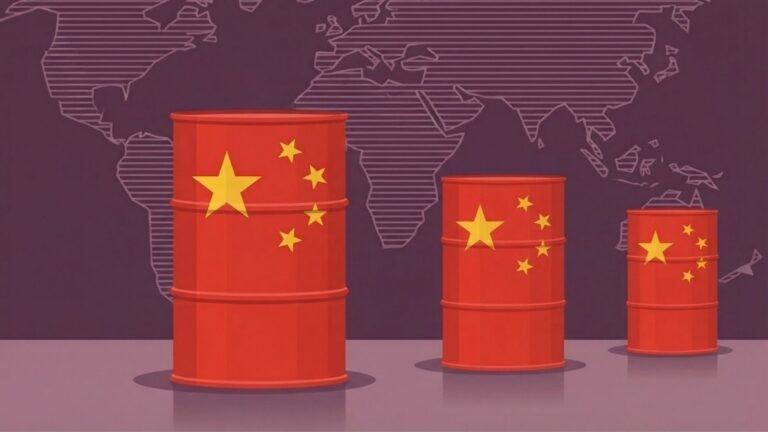
The economic and humanitarian consequences of the June 24 twin earthquakes in Venezuela continue to emerge.