Trump is frustrated gasoline prices don’t mirror oil’s decline. Experts say it’s not that simple
U.S. gasoline prices decreased an average of 49 cents a gallon in the last month as expectations rose for an end to the war with Iran.
Get the latest as our experts share their insights on global energy policy.
This Energy Explained post represents the research and views of the author(s). It does not necessarily represent the views of the Center on Global Energy Policy. The piece...

Hear in-depth conversations with the world’s top energy and climate leaders from government, business, academia, and civil society.
The energy transition is in the midst of its own transition. Spiking electricity demand and geopolitical events are driving up energy prices, while debates over the best sources...

Op-eds & Essays by Richard Nephew • September 02, 2015
Center Fellow Richard Nephew writes about how the subtle effectiveness of the JCPOA may be most pronounced in the provisions dealing with potential covert activities. The article describes the various provisions of the deal that serve as a check against the possibility of covert sites by forming concentric circles of protection. The article will addresses the few scenarios in which a potential failure of the system could take place. In doing so, it demonstrates that the likelihood of these scenarios is sufficiently small as to be implausible and therefore does not constitute a sound reason to reject the deal.
The Center on Global Energy Policy is providing live updates on key developments related to the Iran crisis. Check back here for the latest.

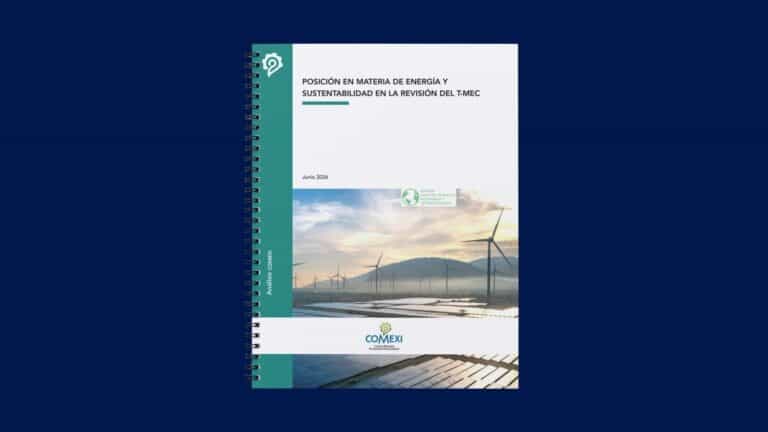
El Consejo Mexicano de Asuntos Internacionales (COMEXI) y la Unidad de Estudio y Reflexión sobre Energía y Sustentabilidad, presentan el análisis: “Posición en materia de energía y sustentabilidad en la revisión del T-MEC" El documento analiza cómo México puede aprovechar este proceso para fortalecer la integración energética de América del
The UNFCCC process is marred by gridlock in the COP multilateral framework, threatening joint efforts by countries to mitigate the climate crisis.
Full report
Op-eds & Essays by Richard Nephew • September 02, 2015