This website uses cookies as well as similar tools and technologies to understand visitors’ experiences. By continuing to use this website, you consent to Columbia University’s usage of cookies and similar technologies, in accordance with the Columbia University Website Cookie Notice.
Energy Explained
Get the latest as our experts share their insights on global energy policy.
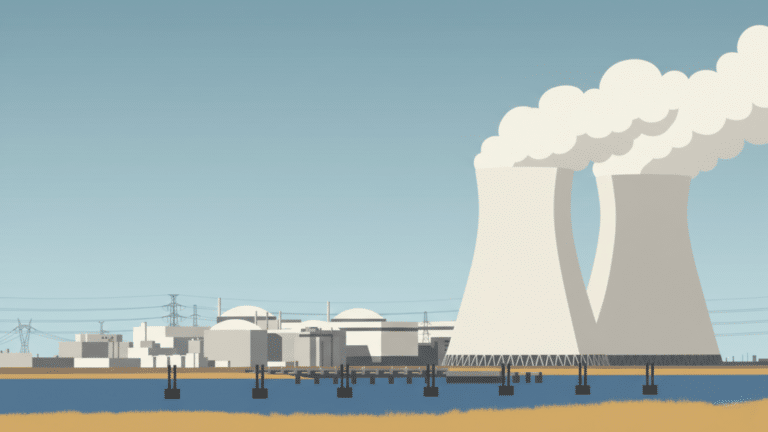
Making Nuclear Regulatory Reform Durable: Efficiency Backed by Credibility and Predictability
The United States is at a rare inflection point for nuclear energy, with unprecedented momentum behind deployment and regulatory reform as nuclear becomes central to energy security, AI competitiveness, and state and corporate climate goals.
Podcasts
Hear in-depth conversations with the world’s top energy and climate leaders from government, business, academia, and civil society.
Jigar Shah Wants to Depoliticize Energy
As political support for clean energy has waxed and waned over the past twenty years, so has the government’s financial backing. In the 2010s, critics pointed to the...

Events
Find out more about our upcoming and past events.
February 16, 2026 - February 18, 2026
• 1:00 pm - 2:00 pm
est
The Energy Transition from a Fiscal Angle – A Two Part Workshop
This workshop will be conducted in two parts: Part one on February 16 from 1:00 PM to 2:00 PM EST, and Part two on February 18 from 1:00 PM to...
Event
• Center on Global Energy Policy
1255 Amsterdam Ave, New York, NY 10027
1255 Amsterdam Ave, New York, NY 10027

Guest
Bill Ritter
When it comes to energy, Colorado has it all, with an abundance of oil, natural gas and coal, as well as solar and wind power. With all of those options to choose from, the Rocky Mountain state has seen its share of both controversy and compromise, and may offer a lesson for other states responding to new energy and climate challenges.
On this episode of Columbia Energy Exchange, host Bill Loveless talks with Bill Ritter, a former Democratic governor of Colorado, about his new book: “Powering Forward: What Everyone Should Know About America’s Energy Revolution.” Governor Ritter joined the podcast from the Center for the New Energy Economy at Colorado State University, which he launched in 2011.
This interview was originally recorded on May 20, 2016.
More Episodes
Jigar Shah Wants to Depoliticize Energy
As political support for clean energy has waxed and waned over the past twenty years, so has the government’s financial backing. In the 2010s, critics pointed to the...
Michael Webber on What’s Behind Rising Energy Costs
With electricity prices on the rise, the future of our power grid is attracting a lot more attention. Surging demand is at the center of the story, but...

Reporters’ Roundtable: What’s Driving US Energy Policy News in 2026?
From the affordability crisis and the data center boom, to the US government’s campaign to reinvigorate the Venezuelan oil market, energy is dominating headlines in unusual ways. And...
Columbia Energy Exchange Podcast
• January 20, 2026

Anja Manuel on the Next Era of Great Power Competition
Great power competition—particularly between the United States and China—is intensifying. This rivalry is reshaping everything from technology supply chains and energy security to the future of artificial intelligence. ...

Relevant
Publications
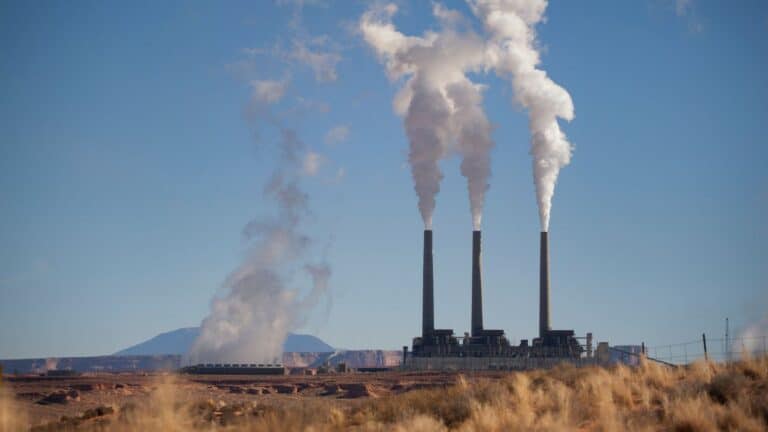
Assessing US Government Efforts to Support Fossil Fuel–Reliant Communities
The decline of domestic fossil fuel production in the United States poses serious economic risks for communities that rely on fossil fuel industries for jobs and public revenues. Many of these communities lack the resources and capacity to manage those risks on their own. The absence of viable economic strategies for affected regions is a barrier to building the broad, durable coalitions needed for an equitable national transition to cleaner energy sources.
Reports
by Noah Kaufman • February 05, 2026
Making Nuclear Regulatory Reform Durable: Efficiency Backed by Credibility and Predictability
The United States is at a rare inflection point for nuclear energy, with unprecedented momentum behind deployment and regulatory reform as nuclear becomes central to energy security, AI competitiveness, and state and corporate climate goals.
How a Conflict in Iran Could Affect Oil Markets in the Gulf Arab States
Multiple US–Iran conflict scenarios carry materially different risks for global oil infrastructure, transit routes, and prices.

Where China Gets Its Oil: Crude Imports in 2025 Reveal Stockpiling and Changing Fortunes of Certain Suppliers, Including Those Sanctioned
China’s crude oil imports hit a record-high 11.6 million barrels per day in 2025, as geopolitical tensions, low oil prices, and global oversupply spurred China to increase its oil stockpiles, a trend likely to continue in 2026.