This website uses cookies as well as similar tools and technologies to understand visitors’ experiences. By continuing to use this website, you consent to Columbia University’s usage of cookies and similar technologies, in accordance with the Columbia University Website Cookie Notice.
Energy Explained
Get the latest as our experts share their insights on global energy policy.
Live Updates: US-Israeli Attacks on Iran and Global Energy Impacts
On February 28, the US and Israel launched new attacks on Iran targeting primarily the country's leadership, security forces, and missile program.
Blog
by Anne-Sophie Corbeau, Erica Downs, Ira Joseph, Richard Nephew, Daniel Sternoff, Karen E. Young, Robin Mills & Neelesh Nerurkar • March 23, 2026

Podcasts
Hear in-depth conversations with the world’s top energy and climate leaders from government, business, academia, and civil society.
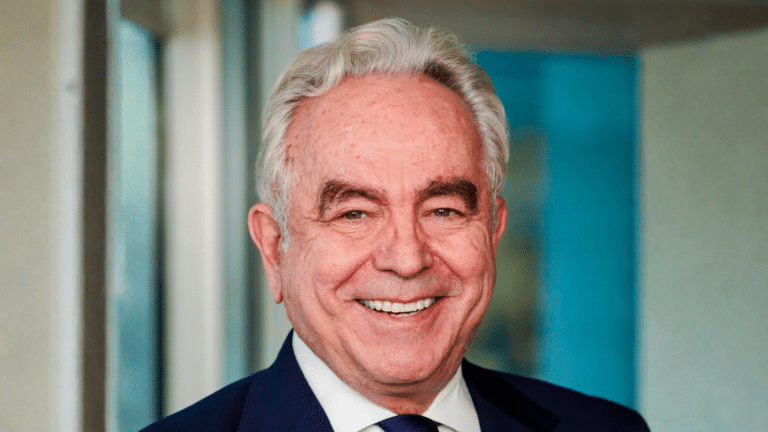
Kurt Campbell on China’s Approach to Energy Security and Statecraft
The Iran conflict has rapidly expanded, drawing in actors across the Middle East and raising concerns about broader regional escalation.
Columbia Energy Exchange Podcast
• March 24, 2026
Events
Find out more about our upcoming and past events.
March 26, 2026
• 12:00 pm - 1:00 pm
edt
Fashion in the Energy Transition Talk Series | Session 2
This roundtable is open only to currently enrolled Columbia University students. To register, you must sign in with your UNI. The Center on Global Energy Policy (CGEP) at...
Event
• Center on Global Energy Policy
1255 Amsterdam Ave, New York, NY 10027
1255 Amsterdam Ave, New York, NY 10027

Podcast
The Path to Net-Zero: Outlook to a Decarbonized Energy Future
May 25, 2021
Last week, the Center on Global Energy Policy held its annual Global Energy Summit, which featured an all-star cast of energy leaders, policymakers and experts speaking on the most pressing energy and climate issues we face today. This year, in a virtual setting, speakers hailed from every corner of the world including Africa, South Asia, the Middle East, Europe, Latin America, and North America. In the weeks to come, a few of those conversations will be shared in podcast form.
In this edition of Columbia Energy Exchange, host Jason Bordoff is joined by Dr. Fatih Birol, Executive Director of the International Energy Agency, who discussed key findings from the Agency’s groundbreaking new report on pathways to creating a global net-zero energy economy by 2050.
Dr. Fatih Birol has served as Executive Director of the International Energy Agency since September 2015, has been at the IEA for a quarter century, and is widely recognized as one of the foremost global figures in the energy world. He is also chair of the World Economic Forum’s Energy Advisory Board and serves on the U.N. Secretary-General’s Advisory Board on Sustainable Energy for All. Before the IEA, Dr. Birol worked at the Organisation of the Petroleum Exporting Countries (OPEC) in Vienna. He earned a BSc degree in power engineering from the Technical University of Istanbul and received an MSc and PhD in energy economics from the Technical University of Vienna.
More Episodes
Kurt Campbell on China’s Approach to Energy Security and Statecraft
The Iran conflict has rapidly expanded, drawing in actors across the Middle East and raising concerns about broader regional escalation.
Columbia Energy Exchange Podcast
• March 24, 2026
Iran Conflict Brief: How the Energy Shock Is Reshaping Investment
Nearly a month in, the conflict in Iran appears to have hit a critical inflection point. Over the weekend, President Trump gave Iran a 48-hour ultimatum to open...
Iran Conflict Brief: The High Cost of Attacking Energy Infrastructure
As the conflict in the Middle East enters its 20th day, events on the ground have shifted into a critical new phase marked by direct strikes on core...
Michael Gerrard and Jeff Holmstead on Next Chapter in US Climate Policy
The climate policy landscape in the US is in flux. Last month, the Environmental Protection Agency repealed its own power to regulate greenhouse gases. Two weeks later, the...
Columbia Energy Exchange Podcast
• March 17, 2026

Relevant
Publications
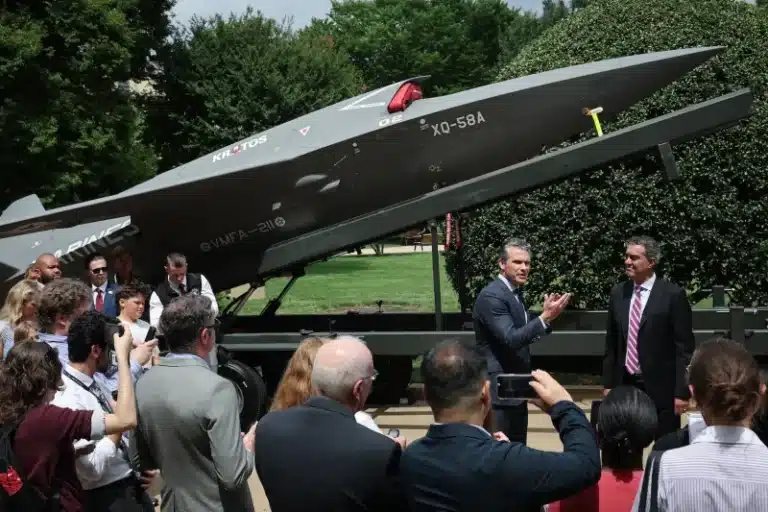
Fraught Financing Will Further Weaken the Defense Industrial Base
The Pentagon’s new $200 billion private equity fund would harm the critical industries it aims to support.
Live Updates: US-Israeli Attacks on Iran and Global Energy Impacts
On February 28, the US and Israel launched new attacks on Iran targeting primarily the country's leadership, security forces, and missile program.
Blog
by Anne-Sophie Corbeau, Erica Downs, Ira Joseph, Richard Nephew, Daniel Sternoff, Karen E. Young, Robin Mills & Neelesh Nerurkar • March 23, 2026
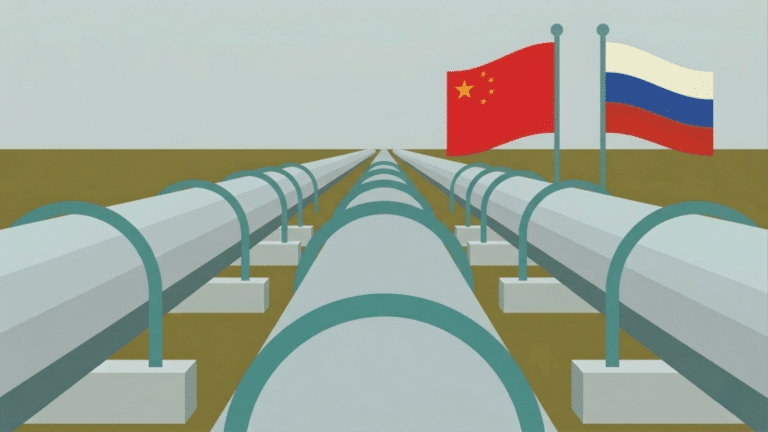
Will the Iran Conflict Deepen China-Russia Energy Relations?
The Iran conflict could increase the appeal of Russia as an energy supplier for China.