NY energy experts, advocates say Iran war shows need for Hochul to implement climate law
Gov. Hochul’s reliance on fossil fuels may end up costing more than renewables, clean energy advocates say.
Current Access Level “I” – ID Only: CUID holders, alumni, and approved guests only
Get the latest as our experts share their insights on global energy policy.
On February 28, the US and Israel launched new attacks on Iran targeting primarily the country's leadership, security forces, and missile program.

Hear in-depth conversations with the world’s top energy and climate leaders from government, business, academia, and civil society.
While US and Israeli forces have significantly degraded Iran’s military and nuclear capability, the global energy landscape remains in a precarious position. For weeks, the Strait of Hormuz...
Find out more about our upcoming and past events.
This roundtable is open only to currently enrolled Columbia University students. To register, you must sign in with your UNI. Join the Center on Global Energy Policy’s Women...

This is the second episode of a five-part series exploring the European energy crisis in the wake of Russia’s invasion of Ukraine. If you haven’t listened to the first episode, we recommend you start there.
Germany has grown its wind and solar sectors dramatically over the past 20 years. And yet, when Russia’s invasion of Ukraine sparked an energy crisis, Germany fired up idle coal plants and began importing natural gas from around the world.
So why couldn’t renewables in Germany—and in Europe more broadly—meet the energy gap in this time of need?
In this episode, we cover the origin story of Germany’s renewables boom—including a nuclear disaster and an anti-nuclear political movement. Then, we examine the implications of the shutdown of nuclear power and the rise of renewables for the power sector.
We look at the long-ignored part of German energy—gas heating—and how electrification could help Germany make better use of its strong wind and solar industries.
And finally, we discuss the role of hydrogen, batteries, and other low-carbon technologies in balancing renewables on the grid.
So far over this season we've traced the global lithium-ion battery supply chain from mining to processing to manufacturing. And we've put it all into a geopolitical and economic context.
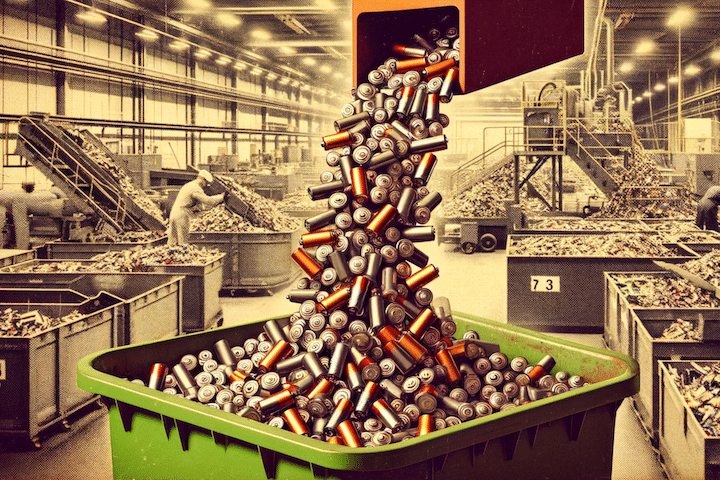
China has been the world's biggest battery manufacturer for over a decade. By 2022, according to the IEA, China manufactured 76% of the world's batteries. But that's changing.
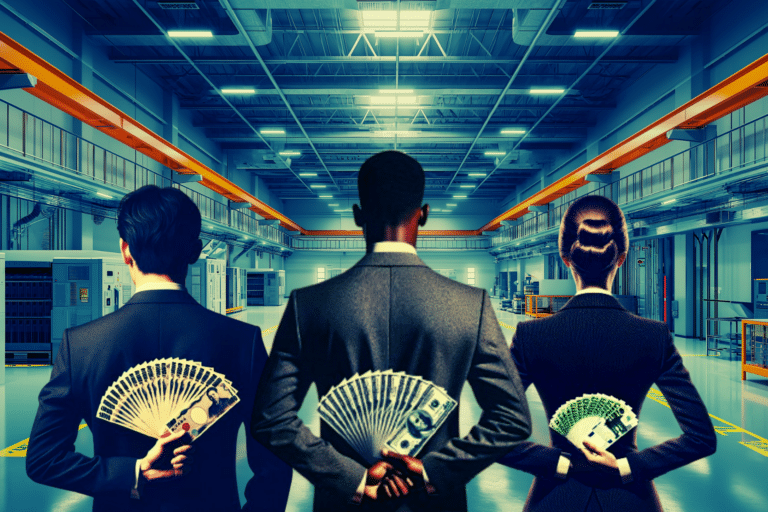
Batteries can replace gasoline in our cars, or diesel in our generators with electricity. But batteries and petroleum-based fuels share something in common: they both rely on energy-intensive processes to turn extracted materials into something useful.
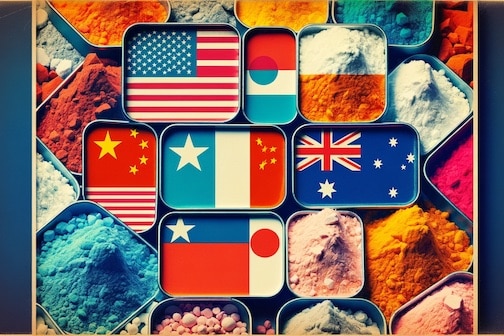
To produce enough batteries to reach global net-zero goals, the International Energy Agency says we'll need to increase production of critical minerals by six fold by 2040. It's a monumental task.

Amid global oil and gas disruptions, China stands prepared for the electrostate era.
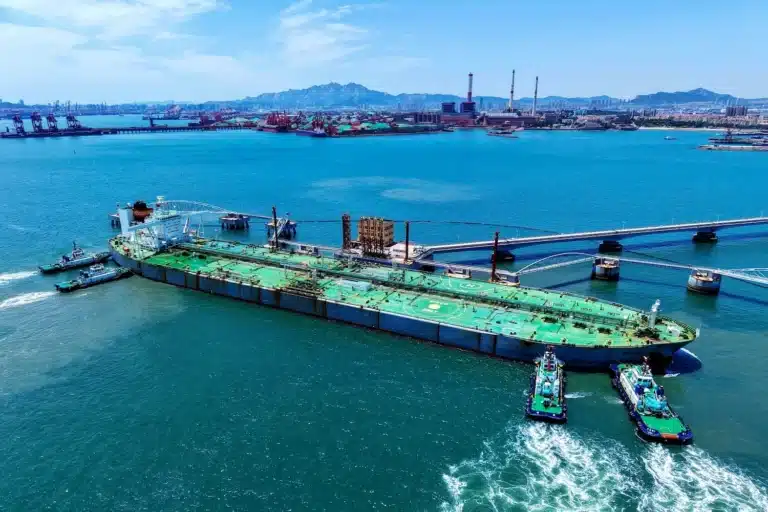
Two trade agreements recently negotiated by the Trump administration contain novel and coercive provisions with little precedent in US trade policy or the global trade system.
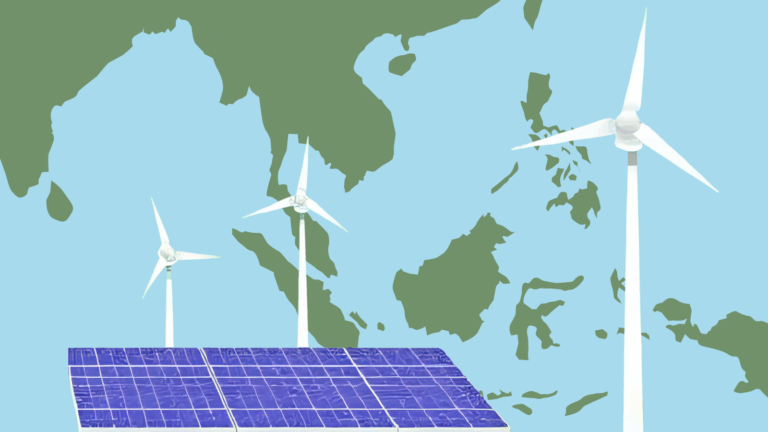
CGEP scholars reflect on some of the standout issues of the day during this year's Climate Week