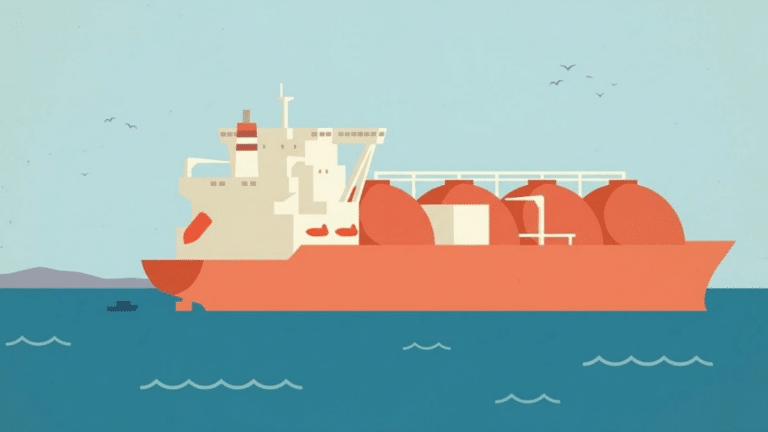
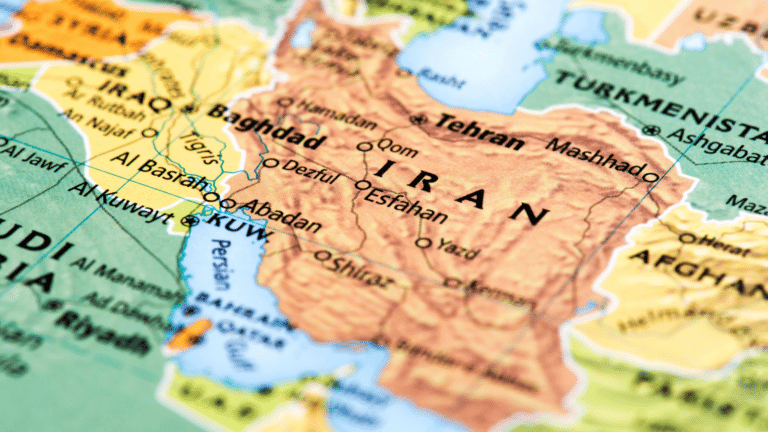
“Ce serait suicidaire” : pourquoi l’Europe redoute sa dépendance au gaz américain
Au rythme actuel, les Etats-Unis pourraient fournir 80 % du GNL dont les Européens ont besoin en 2030. Bien trop risqué dans un contexte géopolitique tendu.
Current Access Level “I” – ID Only: CUID holders, alumni, and approved guests only
As the train pulls away from Davos Dorf station through the snow-capped Swiss mountains, I find myself reflecting on a rather extraordinary week at the World Economic Forum’s Annual Meeting in Davos. While many questioned Davos’ continuing relevance last year, it is difficult to argue that this year’s gathering was not among the most consequential in recent memory, shaped in large part by President Trump’s dominant presence throughout the week’s discussions.
Models can predict catastrophic or modest damages from climate change, but not which of these futures is coming.
On November 6, 2025, in the lead-up to the annual UN Conference of the Parties (COP30), the Center on Global Energy Policy (CGEP) at Columbia University SIPA convened a roundtable on project-based carbon credit markets (PCCMs) in São Paulo, Brazil—a country that both hosted this year’s COP and is well-positioned to shape the next phase of global carbon markets by leveraging its experience in nature-based solutions.
Connecticut needs an honest debate, and fresh thinking, to shape a climate strategy fit for today, not 2022.