Last week in Texas, millions of people experienced the loss of power during a recording-shattering cold snap and series of winter storms. Pundits and politicians have peddled ideologically driven narratives about what factors and energy sources deserve the blame for the catastrophic and life-threatening cascade of failures. Lawmakers and regulators have called for investigations into why the energy grid failed so miserably, and it will take some time to unpack the causes and consequences of last week’s crisis.
In this edition of Columbia Energy Exchange, host Jason Bordoff is joined by Cheryl LaFleur and Jesse Jenkins, two experts who have deep expertise in electricity and energy systems, for a deep dive into what we already know and what we don’t know about what happened in Texas.
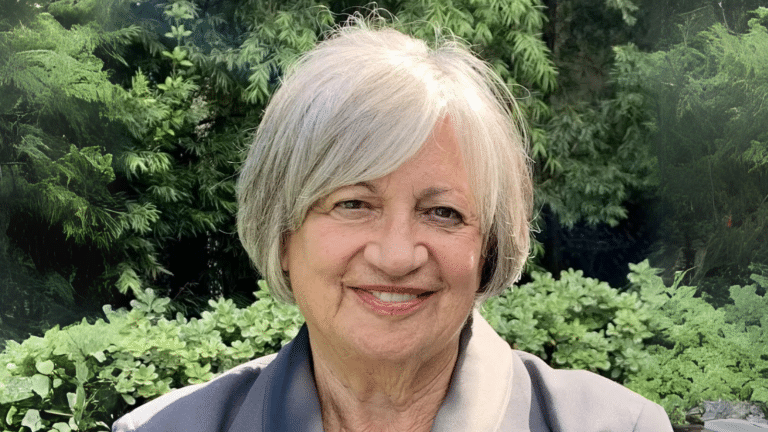
Cheryl LaFleur is a Distinguished Visiting Fellow at the Center on Global Energy Policy. She is also a member of the Board of Directors of the Independent System Operator of New England (ISO-NE), the organization that plans and operates the power system and administers wholesale electricity markets for the New England region. Previously, Cheryl was one of the longest-serving commissioners on the Federal Energy Regulatory Commission (FERC), twice serving as its chair.
Jesse Jenkins is an assistant professor at Princeton University with a joint appointment in the Department of Mechanical and Aerospace Engineering and the Andlinger Center for Energy and Environment. He is a macro-scale energy systems engineer and leads a Princeton Lab focused on energy systems modeling to evaluate technology and policy options for net-zero emissions energy systems. He is a coauthor of a recent study from Princeton modeling scenarios to achieve net zero emissions in the US by 2050, which you can read more about in the cover story of this week’s Economist.