This website uses cookies as well as similar tools and technologies to understand visitors’ experiences. By continuing to use this website, you consent to Columbia University’s usage of cookies and similar technologies, in accordance with the Columbia University Website Cookie Notice.
Global gas markets, especially in Europe, are approaching winter under serious pressure. With storage inventories lagging behind historical averages and shipping disruptions from the Middle East threatening key...
Apply to Register The Center on Global Energy Policy at Columbia University SIPA’s Women in Energy initiative invites Columbia University students to a roundtable discussion with Pam Brown,...
Event
• Center on Global Energy Policy
Large Conference Room
About Us
We are the premier hub and policy institution for global energy thought leadership. Energy impacts every element of our lives, and our trusted fact-based research informs the decisions that affect all of us.
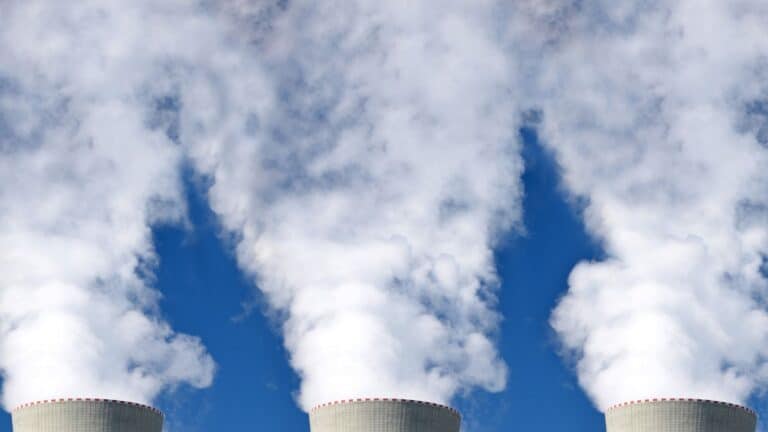
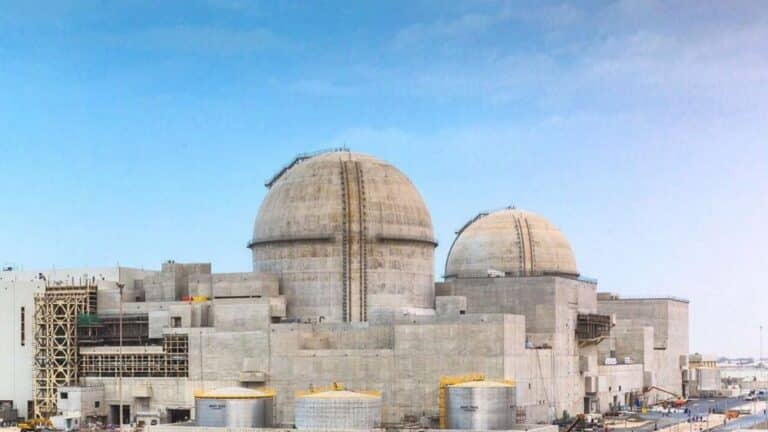
Kazakhstan opts for nuclear power following national referendum
Following an October 6 national referendum on the construction of a nuclear power plant in Kazakhstan, an overwhelming majority of voters, totaling 5,561,937 people or 71.12 percent of participating voters, voted to authorize the plant’s construction, the Central Election Commission (CEC) said on October 7. Kazakhstan’s President Kassym-Jomart Tokayev announced in late June 2024 that […]
September 21-25, 2026 | Columbia University | New York City
The Center on Global Energy Policy will host a series of energy
and climate focused events this September during Climate Week NYC.