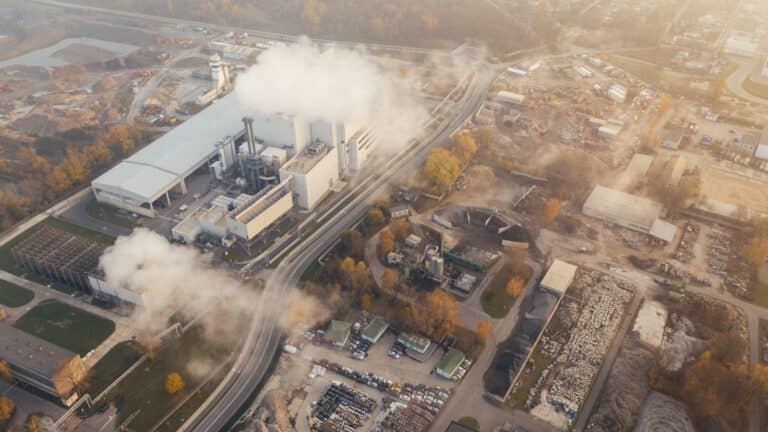
World Bank scraps climate financing after facing pressure from Trump
The 45% target was set following the United Nations’ climate conference in 2023, pledging the funding to climate-related projects by 2025.
Get the latest as our experts share their insights on global energy policy.
This Energy Explained post represents the research and views of the author(s). It does not necessarily represent the views of the Center on Global Energy Policy. The piece...

Hear in-depth conversations with the world’s top energy and climate leaders from government, business, academia, and civil society.
Concerns about the affordability of electricity in the US have been rising along with prices. And while the headlines have pointed to AI and data centers as the...

Past Event
April 24, 2025
6:00 pm - 8:30 pm edt
Energy finance is transforming rapidly amid shifting political and economic dynamics in the U.S. and globally. As the landscape becomes increasingly complex, we will explore key legal insights, emerging trends, and strategic opportunities to help attendees navigate challenges and drive success in this evolving sector. The Center on Global Energy Policy at Columbia University SIPA’s Women in Energy initiative and Pillsbury invite you to a night of conversation and networking.
We will begin the evening with a panel discussion on key trends and legal insights in the energy finance landscape. Next, we’ll explore the professional and strategic opportunities within the energy finance sector. The evening will conclude with a cocktail hour, offering a valuable opportunity to expand your energy finance network.
This event is open to the public and will be hosted in person. Advance registration is required. Capacity is limited.
This event is open to press, and registration is required to attend. For media inquiries or requests for interviews, please contact Adam Kilduff ([email protected]).
For more information about the event, please contact [email protected].
This workshop will be conducted in two parts: Part one on February 16 from 1:00 PM to 2:00 PM EST, and Part two on February 18 from 1:00 PM to...

The Columbia Global Energy Summit 2026 is an annual event dedicated to thought-provoking discussions around the critical energy and climate challenges facing the global community.
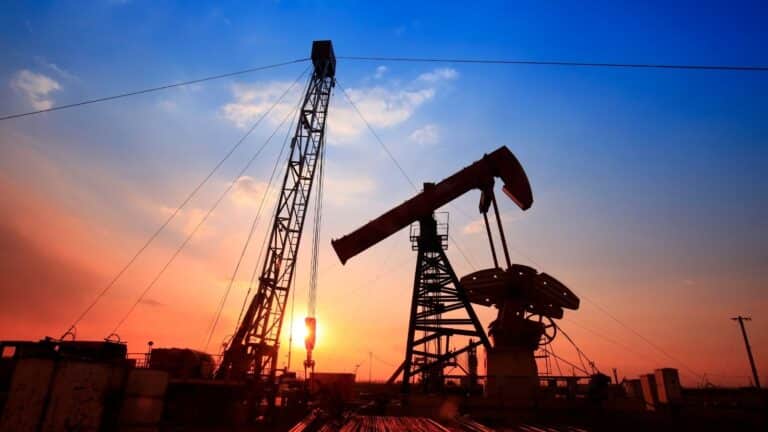
On October 22, the United States Department of the Treasury announced the imposition of sanctions on Russia’s two largest oil companies, Rosneft and Lukoil, as a penalty for what it characterized as a lack of Russian commitment to ending the war in Ukraine.

*Registration is closed for this event. The Center on Global Energy Policy at Columbia University SIPA's Women in Energy initiative, in collaboration with the Columbia Policy Institute, invites...

Project-based carbon credit markets (PCCMs) facilitate the generation, trading, and retirement of carbon credits from projects that remove, reduce, or avoid greenhouse gas emissions.

The World Bank is revisiting one of its most entrenched positions, publicly questioning its long-standing emphasis on market-led approaches in economic policy.