Daily Energy Markets Podcast
Enjoy the videos and music you love, upload original content, and share it all with friends, family, and the world on YouTube.
Get the latest as our experts share their insights on global energy policy.
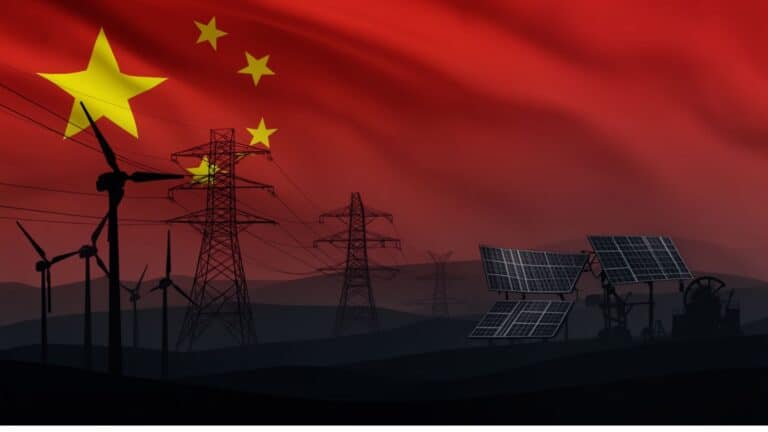
Two economic planning documents released at the March meeting of China's National People’s Congress include the term "energy powerhouse" for the first time.
Hear in-depth conversations with the world’s top energy and climate leaders from government, business, academia, and civil society.
Much of the world’s attention today is understandably focused on conflict in the Middle East, and the immediate implications for energy markets and global security. But other regions...

Past Event
September 26, 2024
3:00 pm - 4:00 pm edt
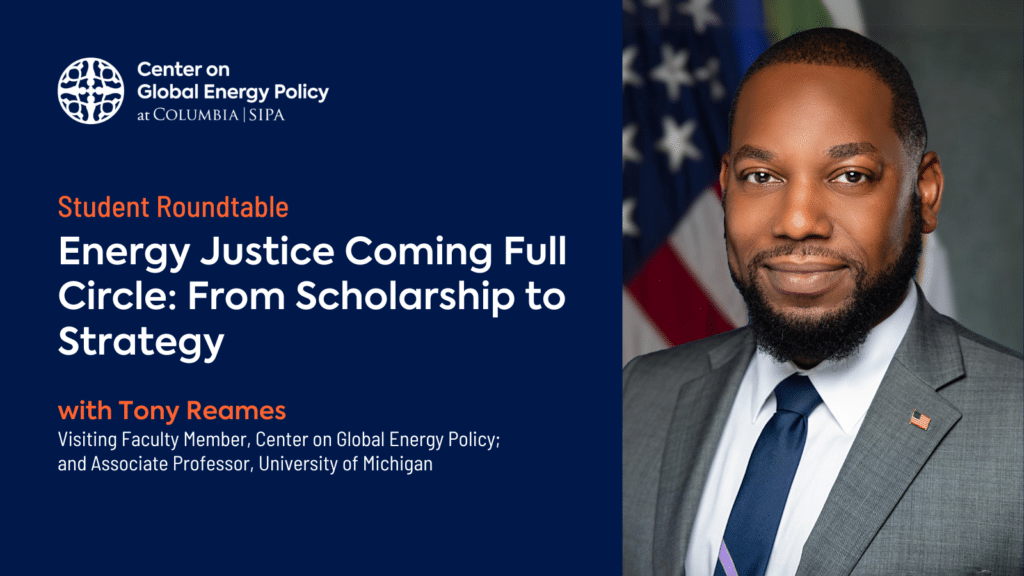
The Center on Global Energy Policy (CGEP) at Columbia University’s School of International and Public Affairs is pleased to host Tony Reames, Visiting Faculty Member at CGEP and Associate Professor at the University of Michigan. Professor Reames will present an overview of his research on the creation and persistence of energy disparities across racial, spatial, and socioeconomic lines. Additionally, he will reflect on his academic career and his experience as a Presidential Political Appointee in the Biden-Harris Administration, where he served as Deputy Director for Energy Justice and Principal Deputy Director for State and Community Energy Programs at the U.S. Department of Energy.
—
Registration is required. This roundtable is open only to currently enrolled Columbia University students.
This event will be hosted in person, and capacity is limited. We ask that you register only if you can attend this event in its entirety.
For more information about the event, please contact [email protected].
The Columbia Global Energy Summit 2026 is an annual event dedicated to thought-provoking discussions around the critical energy and climate challenges facing the global community.
This year, the Third Annual Energy Opportunity Lab (EOL) Forum will take place July 7th and 8th in Washington, DC, offering a chance for the Washington policymaking community...

The Columbia Global Energy Summit 2024 is an annual event dedicated to thought-provoking discussions around the critical energy and climate challenges facing the global community.
Gender disparities in entrepreneurship are stark. Only one in every three businesses is owned by a woman.

Most African countries today are faced with a dual challenge: how to industrialize and expand electricity access at the same time.
Artificial intelligence is driving a massive technological transformation that is already reshaping many aspects of daily life.
30 years ago last month, a brutal heatwave struck Chicago, killing more than 700 residents. As the city and much of the United States recently experienced another period of extreme heat, this anniversary serves as a reminder that heat remains one of the deadliest climate-related hazards — killing more people each year than hurricanes, floods and tornadoes combined — particularly for communities burdened by decades of disinvestment and structural barriers to health and safety.
