This website uses cookies as well as similar tools and technologies to understand visitors’ experiences. By continuing to use this website, you consent to Columbia University’s usage of cookies and similar technologies, in accordance with the Columbia University Website Cookie Notice.
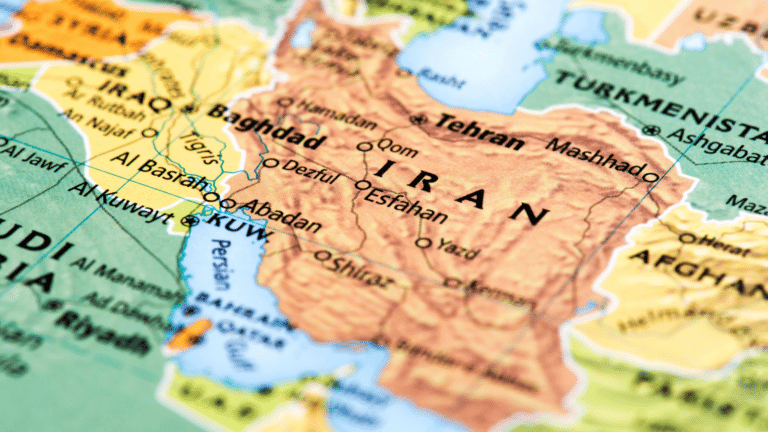
Many analyses of what the conflict in the Middle East means for China's energy security have rightly focused on China's oil and natural gas imports from the region.
For years, the energy transition was discussed as a shift that would happen in steady, predictable increments. But the last 24 months have shattered that illusion. Energy providers...
We are the premier hub and policy institution for global energy thought leadership. Energy impacts every element of our lives, and our trusted fact-based research informs the decisions that affect all of us.
Cancelled: WIE Dinner and Roundtable Discussion with Carole Nakhle, founder and CEO of Crystol Energy
Past Event
March 20, 2018
6:00 pm - 7:30 pm
Share
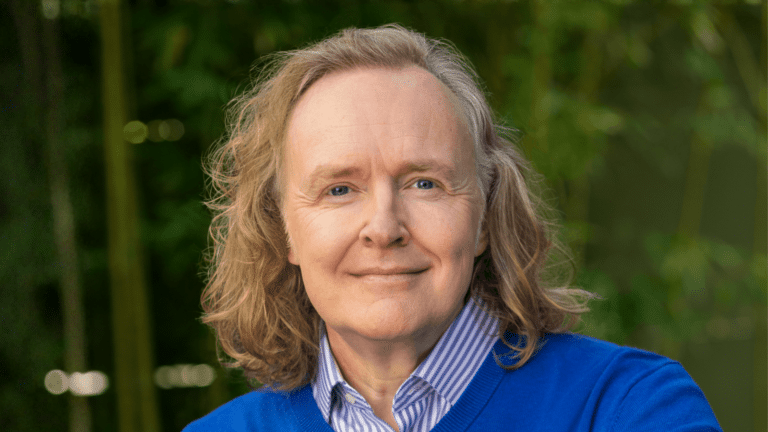
Please join the Center on Global Energy Policy for a Women in Energy dinner and roundtable discussion with Dr. Carole Nakhle, founder and CEO of Crystol Energy. Dr. Nakhle will discuss her job history, career paths, and perspectives on what it means to be a female leader in the energy industry. She will also share her insights on energy topics such as OPEC+ deal, US/OPEC competition, and oil & gas governance. This event is only open to current female grad students. Since space is limited, RSVPs will be accepted on a first-come basis until capacity is reached. Please only RSVP if you can commit to attending. Dinner will be provided. For more information contact: [email protected] *** Biography Dr Carole Nakhle is the founder and CEO of Crystol Energy. An Energy Economist, she has worked with oil and gas companies (IOCs and NOCs), governments and policy makers, international organizations, academic institutions and think tanks, globally. She is active on the Governing Board of the Natural Resource Governance Institute (NRGI), a program advisor to the Washington based International Tax and Investment Centre, and regular contributor to Geopolitical Intelligence Services and the Executive Sessions on the Political Economy of Extractive Industries at Columbia University in New York. She is also involved in the OECD Policy Dialogue on Natural Resource-based Development and acts as a Visiting Lecturer at the Blavatnik School of Government at Oxford University, lectures and supervises postgraduate research at the University of Surrey in the UK, and Saint Joseph University in Beirut. With numerous publications to her credit, Dr Nakhle is also the author of two widely acclaimed books: Petroleum Taxation: Sharing the Wealth published in 2008, re-printed in 2012, and used as primary reference in leading universities and industry training courses; and Out of the Energy Labyrinth (2007), co-authored with Lord David Howell, former Secretary of State for Energy in the UK. Dr Nakhle is the director of the not-for-profit organization ‘Access for Women in Energy’, which she founded in 2007, to support the development of women in the energy sector worldwide.
This roundtable is open only to currently enrolled Columbia University students. To register, you must sign in with your UNI. Join the Center on Global Energy Policy’s Women...
Event
• Center on Global Energy Policy
1255 Amsterdam Ave, New York, NY 10027
This roundtable is open only to currently enrolled Columbia University students. To register, you must sign in with your UNI. The Center on Global Energy Policy (CGEP) at...
Event
• Center on Global Energy Policy
1255 Amsterdam Ave, New York, NY 10027
This roundtable is open only to currently enrolled Columbia University students. To register, you must sign in with your UNI. The Center on Global Energy Policy at Columbia...
Event
• Center on Global Energy Policy
1255 Amsterdam Ave, New York, NY 10027
Many analyses of what the conflict in the Middle East means for China's energy security have rightly focused on China's oil and natural gas imports from the region.