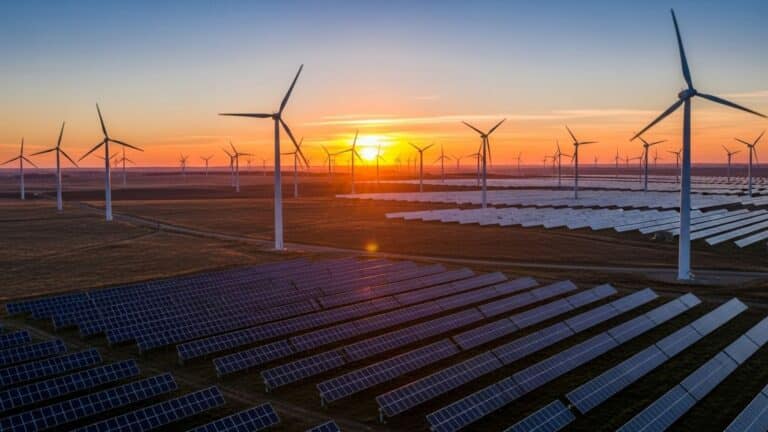
Solar energy, once a niche application for a limited market, has become the cheapest and fastest-growing power source on earth. What’s more, its potential is nearly limitless—every hour the sun beams down more energy than the world uses in a year. But in his new book, Taming the Sun: Innovations to Harness Solar Energy and Save the Planet (MIT Press, 2018), Dr. Varun Sivaram, Philip D. Reed Fellow for Science and Technology at the Council on Foreign Relations and CGEP Adjunct Senior Research Scholar, warns that the world is not yet equipped to harness erratic sunshine to meet most of its energy needs. And if solar’s current surge peters out, prospects for replacing fossil fuels and averting catastrophic climate change will dim. Innovation can brighten those prospects, Dr. Sivaram argues. Financial innovation is already enticing deep-pocketed investors to fund solar projects around the world, from the sunniest deserts to the poorest villages. Technological innovation could replace today’s solar panels with coatings as cheap as paint and employ artificial photosynthesis to store intermittent sunshine as convenient fuels. Systemic innovation could add flexibility to the world’s power grids and other energy systems so they can dependably channel the sun’s unreliable energy. Unleashing all this innovation will require visionary public policy: funding researchers developing next-generation solar technologies, refashioning energy systems and economic markets, and putting together a diverse clean energy portfolio. To discuss the state of solar energy and his new book, which Bloomberg has called “the first important policy book of 2018,” the Center on Global Energy Policy is hosting a talk with Dr. Sivaram. Following Dr. Sivaram’s presentation, CGEP Founding Director, Jason Bordoff will moderate the discussion. There will be a book signing immediately following the discussion. A limited number of books will be sold at this event. — Registration is required. Guests unable to attend can view a livestream of the event at energypolicy.columbia.edu/livestream. This event is open to press. Please direct media inquiries to Jamie Shellenberger-Bessmann ([email protected]) It will be livestreamed at energypolicy.columbia.edu/livestream. A podcast of this event (in addition to other past Center events) will be available ~12 days after the date of the event through iTunes or via our website. For more information contact: [email protected]