What happens to our understanding of liberal international order – its history, material bases and ideological claims – if we read its development not solely as a social formation built by the West and exported around the earth but rather as an economic and political encounter with the world of the Global Indian Ocean?
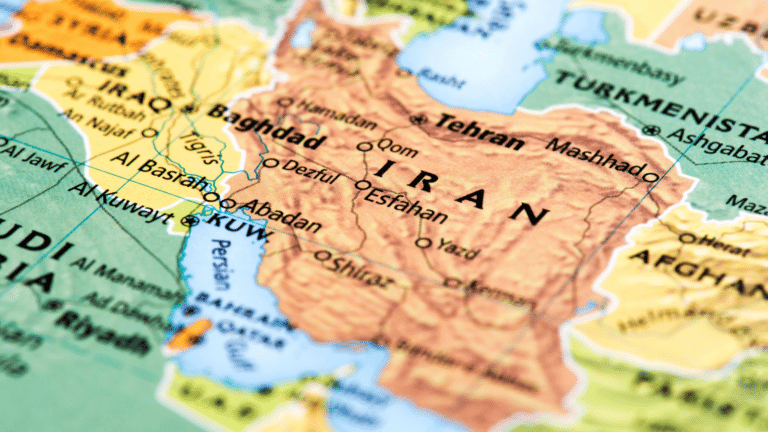
Of all the macro-regions of the earth, the Indian Ocean world contains the greatest range of cultures and religions, political systems and commercial networks. Almost three billion humans live in the countries along the shores of the Ocean, and another half a billion reside in states adjacent to the oceanic rim. More than anywhere else, the populations here are young, multilingual, and likely to move in their lives from the countryside to the cities. It is in this region that many of the key challenges facing humanity in the next decades –adapting to climate change, rethinking mechanisms of legitimate governance and accountability, and ensuring durable human security– will demand a defining response.
A ground-breaking new book argues that much of the contemporary focus on the North Atlantic and Pacific as the defining sites of the global political economy directs our attention away from the extraordinary political dynamism of another macro-region and the ways in which the foundations of liberal order are being subverted and reworked, as part of a long historical tradition of doing so. To understand how the world is changing -and what the future of international order and global politics might be, the perspective of a Global Indian Ocean is essential.
The Center on Global Energy Policy and Columbia Global Centers in Nairobi hosted a joint webinar that brought together two contributing authors and the editor for the African launch of Beyond Liberal Order: States, Societies and Markets in the Global Indian Ocean.