Could a strategic lithium reserve kickstart US supply chain development?
NEW YORK -- A strategic lithium reserve is being mooted as a solution to stabilize volatile prices that have hindered American mining projects, allowi
Current Access Level “I” – ID Only: CUID holders, alumni, and approved guests only
Get the latest as our experts share their insights on global energy policy.
This Energy Explained post represents the research and views of the author(s). It does not necessarily represent the views of the Center on Global Energy Policy. The piece...
Hear in-depth conversations with the world’s top energy and climate leaders from government, business, academia, and civil society.
This has been a crucial year for US energy policy. The passage of the One Big Beautiful Bill Act eliminated many of the clean energy incentives that were...

Find out more about our upcoming and past events.
On January 1, 2026, the European Union's highly-anticipated Carbon Border Adjustment Mechanism (CBAM) will take effect. Introduced in 2023, CBAM will require the importers of certain carbon-intensive goods...
Past Event
April 27, 2016
9:00 am - 1:30 pm
The Center on Global Energy Policy is delighted to invite you to the 2016 Columbia Global Energy Summit. Structured as a half-day forum, the Summit will include keynote remarks, interviews and plenary conversations with senior energy sector leaders focused on key issues and questions at the intersection of energy policy, financial markets, the environment and geopolitics. A formal agenda will be forthcoming. Distinguished speakers so far confirmed include:
Registration is required for in-person attendance. It will also be livestreamed at: http://energypolicy.columbia.edu/watch
This event is open to press. Media must register by contacting Molly Taft ([email protected])
For more information please contact: [email protected]
The Columbia Global Energy Summit 2026 is an annual event dedicated to thought-provoking discussions around the critical energy and climate challenges facing the global community.
This event is open to Columbia University students only. Join the Center on Global Energy Policy’s Women in Energy initiative for an interactive discussion on human rights and...

https://www.youtube.com/watch?v=vWh5WQVVMLc Global gas markets are set to undergo major changes by the end of the decade, with the coming wave of liquefied natural gas (LNG) production capacity poised...
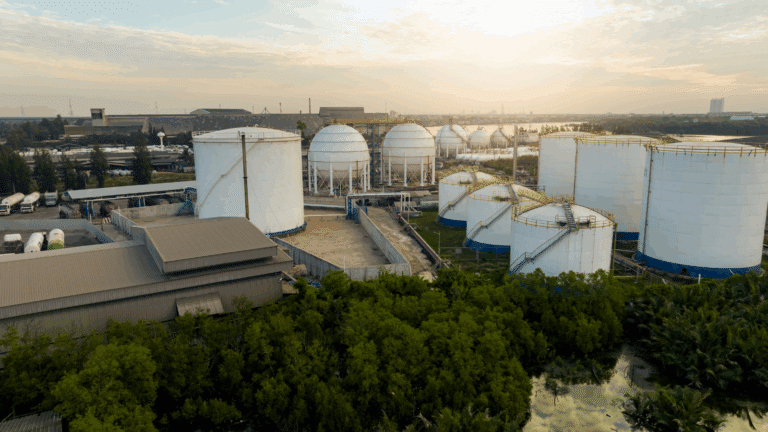

On October 22, the United States Department of the Treasury announced the imposition of sanctions on Russia’s two largest oil companies, Rosneft and Lukoil, as a penalty for what it characterized as a lack of Russian commitment to ending the war in Ukraine.
On November 6, 2025, in the lead-up to the annual UN Conference of the Parties (COP30), the Center on Global Energy Policy (CGEP) at Columbia University SIPA convened a roundtable on project-based carbon credit markets (PCCMs) in São Paulo, Brazil—a country that both hosted this year’s COP and is well-positioned to shape the next phase of global carbon markets by leveraging its experience in nature-based solutions.
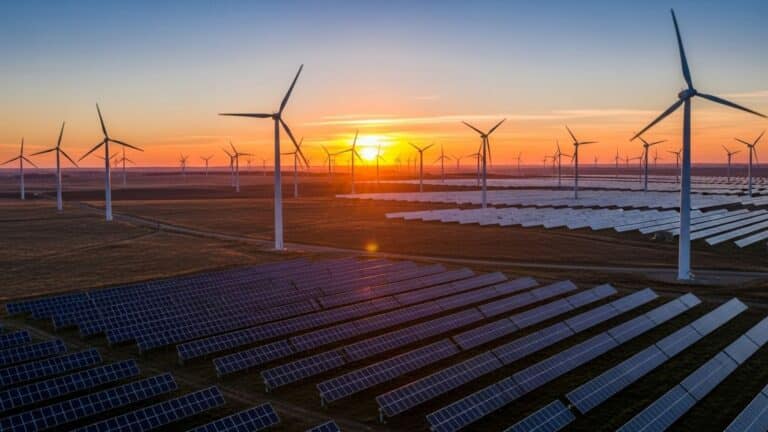
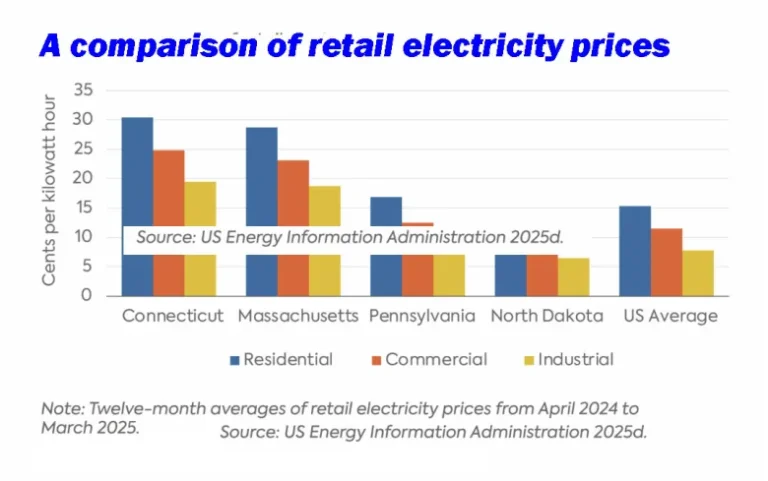
Connecticut needs an honest debate, and fresh thinking, to shape a climate strategy fit for today, not 2022.