Europe’s economy faces a one-two punch from extreme weather and war
Soaring temperatures are forcing drastic measures in Europe, where heatwaves are straining an economy under pressure from higher energy prices due to the Iran war.
Get the latest as our experts share their insights on global energy policy.
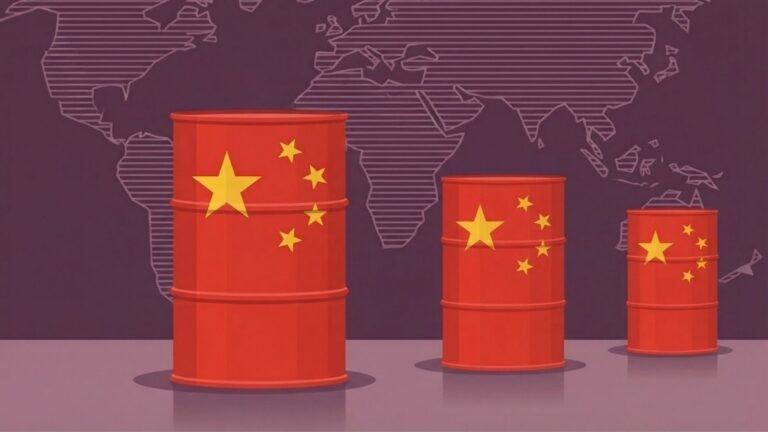
The ongoing disruption of oil exports through the Strait of Hormuz has caused a substantial decline in China's crude oil imports.
Hear in-depth conversations with the world’s top energy and climate leaders from government, business, academia, and civil society.
It started last year as a pressure campaign at sea, with the United States seizing tankers as part of what President Trump called a “total and complete blockade”...

Find out more about our upcoming and past events.
Join industry leaders, innovators, employers, and emerging talent for an evening exploring the technologies, trends, and career opportunities shaping the future of climate tech.

The energy sector landscape is experiencing profound change, complexity and uncertainty–from the impacts of Covid-19 on the global economy and the prospect of reaching peak oil demand, to a rapidly rising recognition of the urgency of combating climate change and accelerated investments in low-carbon technologies. The United Arab Emirates is at the center of these shifts, both as a major Middle Eastern producer of oil and gas but also as an investor in new emerging technologies and low-carbon energy sources.
In this edition of Columbia Energy Exchange, host Jason Bordoff is joined by Musabbeh Al Kaabi, Chief Executive Officer of the Petroleum & Petrochemicals platform at Mubadala, a sovereign investment firm in Abu Dhabi. Jason and Musabbeh discuss what sectors and regions a company like Mubadala is prioritizing in its investment decisions, particularly in the wake of the Covid-19 pandemic and ambitious regional and corporate carbon policy commitments.
Prior to his current role, Musabbeh was the CEO of Mubadala Petroleum, Mubadala’s exploration and production company, from 2014 to 2017. Musabbeh holds a degree in Geophysical Engineering from Colorado School of Mines and a Master of Science in Petroleum Geoscience from Imperial College, London.
It started last year as a pressure campaign at sea, with the United States seizing tankers as part of what President Trump called a “total and complete blockade”...
Over the past five months, the Strait of Hormuz has been closed for extended stretches of time, disrupting roughly 10 to 15 million barrels of oil supply each...
As the demand for power surges across the US, the debate over how to build energy infrastructure has reached a fever pitch. And while both sides of the...
Critical minerals sit at the intersection of energy technology, industrial competitiveness, and economic resilience. The issue has hit a fever pitch in the United States, driving the Trump...

By almost any measure, the world should be suffering a far more severe energy crisis.
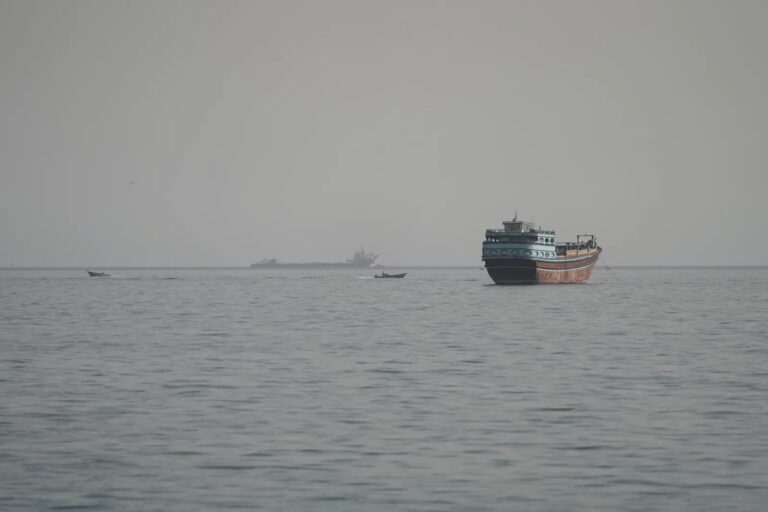
The ongoing disruption of oil exports through the Strait of Hormuz has caused a substantial decline in China's crude oil imports.
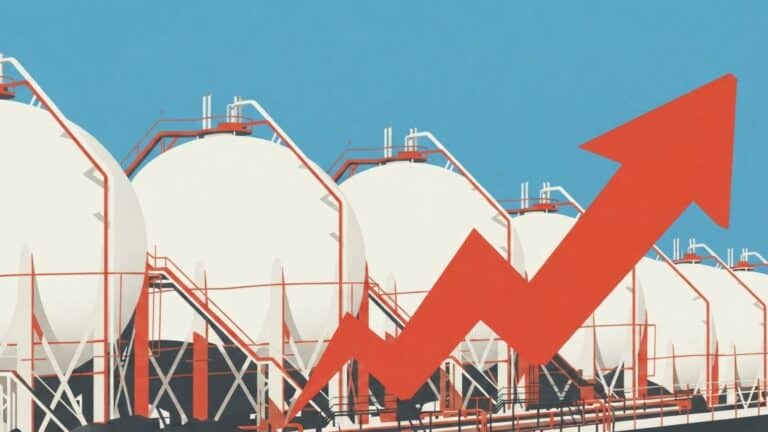
Amid the surge in US gas demand coming from LNG exporters, there is a lack of equivalent new working gas storage capacity in the US.
India’s SHANTI Act opens the nuclear power sector to private participation while retaining state oversight of strategic assets. The move addresses limits of the state-led model and supports India’s goal of reaching 100 GW of nuclear capacity by 2047. Stronger regulation and private investment could accelerate nuclear expansion, strengthen energy security and aid decarbonisation.