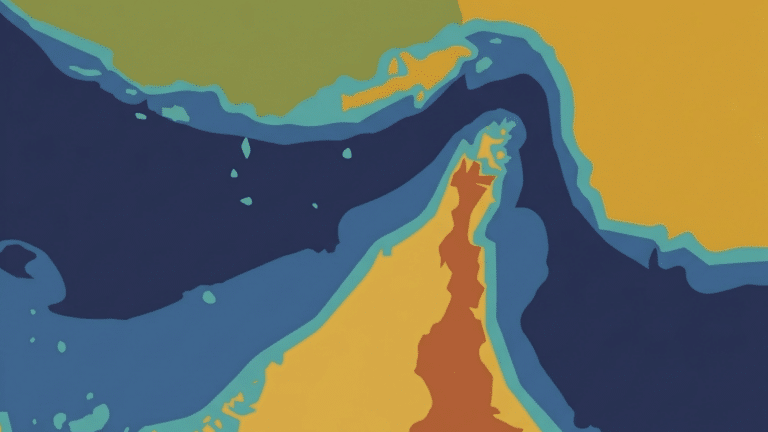
The Next Big Energy Trade After Oil · Ira Joseph
For most of its life, US natural gas was a purely domestic price. It answered American weather, American production, American supply. That is changing fast.T...
Get the latest as our experts share their insights on global energy policy.
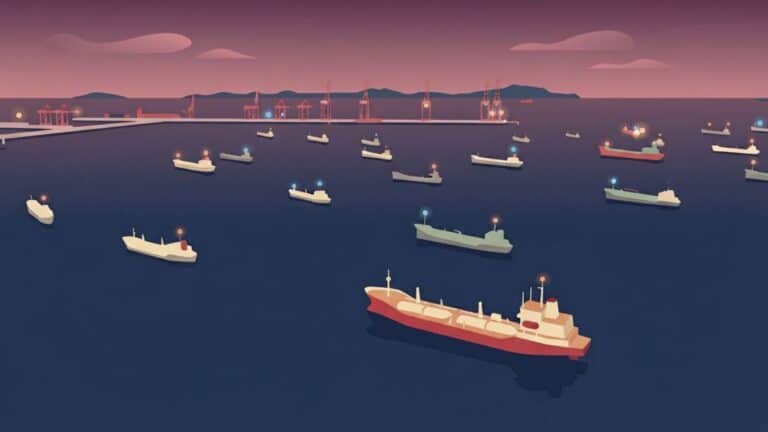
The Iran crisis, whenever it ends, will materially change how the LNG market operates.
Hear in-depth conversations with the world’s top energy and climate leaders from government, business, academia, and civil society.
Nearly a month after a ceasefire, the US-Iran deal seems to have all but collapsed as both nations have slipped back into active conflict. On Sunday, Tehran announced...

2020 has been a historic year in energy markets, with a dramatic price crash caused by a collapse in economic activity resulting from the pandemic. In recent weeks, major oil and gas companies around the world have been reporting their worst quarterly results in history and seem to be positioning themselves for prolonged pain still to come. Yet we have also seen several companies reaffirm commitments to a net-zero carbon future by 2050, and we continue to have rising concern and evidence of the tangible impacts of climate change around the world. This all raises the question of whether the pandemic will be an accelerator or decelerator of the energy transition, and how leading oil and gas companies are responding to today’s uncertain and challenging environment.
In this edition of Columbia Energy Exchange, host Jason Bordoff is joined by Mario Mehren, who leads the largest independent oil and gas company in Europe.
Mario Mehren is the Chief Executive Officer and Chairman of the Board of Wintershall Dea. He was previously responsible for the company’s activities in Exploration and Production in Russia, North Africa and South Africa. Before joining Wintershall, Mario worked as a specialist adviser in the BASF Group’s Corporate Finance Department before becoming the Head of Finance and Accounting at BASF Schwarzheide and later its Managing Director of Finance and Administration. Mario studied business administration at Saarland University in Saarbrüken.
Nearly a month after a ceasefire, the US-Iran deal seems to have all but collapsed as both nations have slipped back into active conflict. On Sunday, Tehran announced...
In the 23 days since the US and Iran agreed to a ceasefire, strikes have returned, following a familiar pattern: Iran attacks vessels using an internationally backed sea...

Grid operators sit at the center of many of the biggest forces reshaping the global energy system. They’re navigating rising electricity demand, a lack of transmission infrastructure, shifting...
Concerns about the affordability of electricity in the US have been rising along with prices. And while the headlines have pointed to AI and data centers as the...

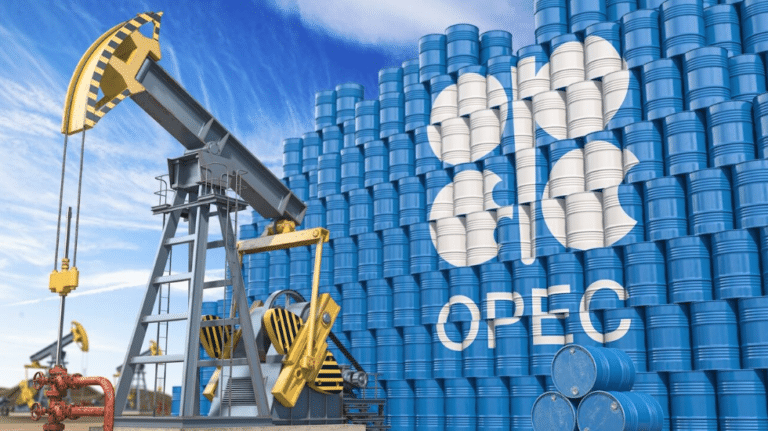
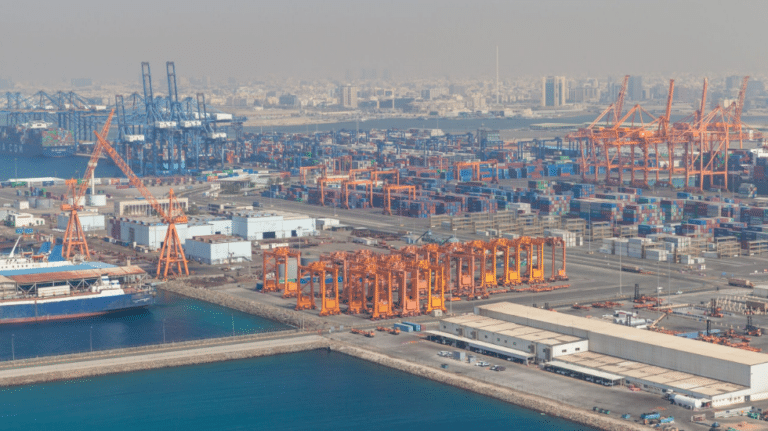
The Iran crisis, whenever it ends, will materially change how the LNG market operates.
The Center on Global Energy Policy is providing live updates on key developments related to the Iran crisis. Check back here for the latest.