Current Access Level “I” – ID Only: CUID holders, alumni, and approved guests only
Read more about the campus status level system and campus access information.
This website uses cookies as well as similar tools and technologies to understand visitors’ experiences. By continuing to use this website, you consent to Columbia University’s usage of cookies and similar technologies, in accordance with the Columbia University Website Cookie Notice.
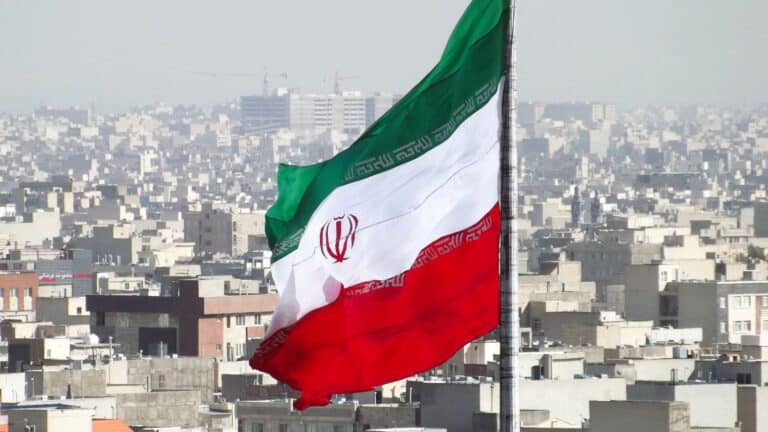
On February 28, the United States and Israel launched a campaign against Iran targeting military infrastructure and the regime's core leadership. Supreme Leader Ayatollah Ali Khamenei and several...
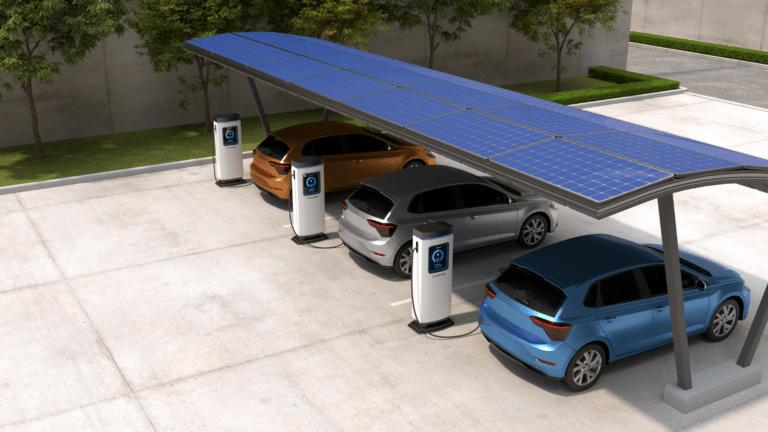
Join us for an in-person event exploring careers and opportunities in the rapidly evolving electric vehicle and sustainable transportation ecosystem.
Event
• International Affairs Building, 15th Floor
Columbia University
About Us
We are the premier hub and policy institution for global energy thought leadership. Energy impacts every element of our lives, and our trusted fact-based research informs the decisions that affect all of us.
This Energy Explained post represents the research and views of the author(s). It does not necessarily represent the views of the Center on Global Energy Policy. The piece may be subject to further revision.
Contributions to SIPA for the benefit of CGEP are general use gifts, which gives the Center discretion in how it allocates these funds. More information is available here. Rare cases of sponsored projects are clearly indicated.
Tensions between great powers are threatening the foundations of the entire multilateral system and impacting global resolve to tackle climate change.
Some countries are recalibrating priorities away from emission reductions toward national security interests at the same time that some governments are adopting intimidating tactics of negotiation against climate policies.
This year may mark the beginning of a new, more unruly era in global climate politics, including strategies employed outside of the COP process such as lawsuits against fossil fuel companies or the use of trade measures such as tariffs to reward particular energy technologies.
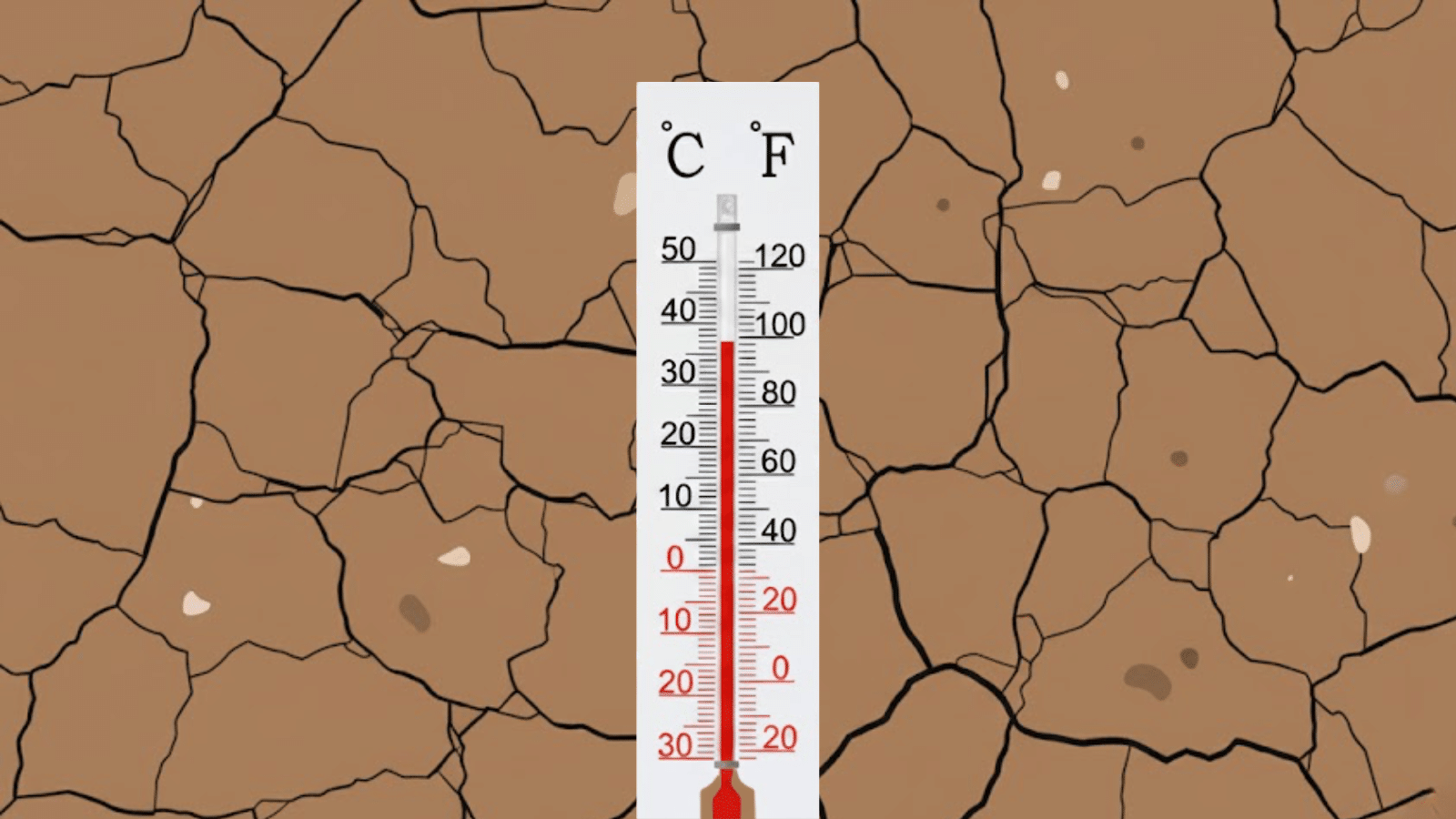
As diplomats meet in Brazil for the United Nations Climate Change Conference (COP30), global resolve to tackle the climate challenge appears badly frayed. UK Prime Minister Keir Starmer remarked at the beginning of the conference that global “consensus is gone” to confront the issue, with some countries stepping away from climate diplomacy and others engaging in campaigns to block the implementation of emission reduction rules. Meanwhile, recent forecasts predict a world on track for well over 2°C of global average warming—above the Paris Agreement goal to avoid the most severe impacts of climate change—with newanalyses projecting the world may reach temperatures 2.6–2.8°C higher based on current policies.
With some countries adopting intimidating tactics of negotiation against climate policies and support for multilateralism ebbing, priorities among countries are largely recalibrating away from emission reductions toward the more traditional interest of security. Alongside the likely overshoot of the Paris Agreement’s temperature goal and growing intensity of climate impacts, contestation over climate politics is becoming more disruptive, particularly in venues external to historic climate negotiations of the COP process. This year may mark the beginning of a new, more unruly era in global climate politics.
Fracturing Consensus
At prior climate conferences, implementation of the Paris Agreement seemed sturdy if not swift, producing many markers of success since the agreement’s adoption 10 years ago: countries have ratcheted up emission reduction pledges; climate finance has been mobilized; and global carbon intensity of GDP has fallen, even as emissions continue to rise. A surge of enhanced national commitments strengthened momentum for climate mitigation at 2021’s COP26 in Glasgow, and leaders agreed to “transition away from fossil fuels” and speed ambition across sectors at 2023’s COP28 in Dubai. But now, even COP29’s signature agreement—a new climate finance target of $1.3 trillion annually by 2035, with at least $300 billion in public finance to come from developed countries—looks imperiled, despite being agreed to just 12 months ago, due to tightening national fiscal space and shrinking foreign assistance budgets.
These developments come against a backdrop of great power tensions that threaten the foundations of the entire multilateral system, many of which are rearing their head in global climate politics. For example, inflamed rhetoric this year has flouted norms underpinning the World Trade Organization, the Nuclear Test Ban Treaty, the Refugee Convention, the OECD Anti-Bribery Convention, the UN Convention on the Law of the Sea, and the UN Charter’s recognized right to territorial integrity. Member states have separately accused three permanent members of the UN Security Council—China, Russia, and the United States—of illegal use of military aggression against their neighbors. These security issues are getting more airtime with each successive COP meeting, as topics like military emissions from the conflicts in Gaza and Ukraine get increasing scrutiny, and as territorialdisputes boil over into COP processes.
Meanwhile, the UN faces a historic budget shortfall and is warning of a “race to bankruptcy,” with major powers failing to contribute their annual payments to the organization. With the US now joining the BRICS group of 11 countries in harsh critiques of the international system, attracting further contributions to fortify the work of international institutions appears bleak. “The post-war global order is not just obsolete, it is now a weapon being used against us,” declared US Secretary of State Marco Rubio earlier this year, reflecting the Trump administration’s intention to undermine many of the institutions the US helped establish over the past 80 years.
Bullish Petrostates
As the US federal government now vehemently opposes efforts to combat global climate change, its approach has revealed fresh hostility to differing global views. US negotiators to the International Maritime Organization (IMO), for example, displayed new tactics of intimidation in October to scuttle multilateral efforts to limit emissions from the shipping sector. The “Net-Zero Framework” had been provisionally agreed to by governments after years of negotiation, had wide backing of industry, and would have introduced a carbon pricing mechanism on shipping emissions to take effect in 2028. Decrying the effort as a “neocolonial export of global climate regulations,” the US State Department put governments “on notice” that it would not just change its position and oppose the measure but also inflict consequences on countries that supported the framework’s adoption. Those pressures increased with the direct involvement of President Donald Trump to include threatening sanctions or the revocation of visas of individual negotiators and members of the IMO Secretariat, and ultimately led to a postponement of the vote until next year.
But it’s not just the United States that is displaying new resolve to stymie countries with ambitious climate policies or block new climate action. The United Arab Emirates recently joined the Trump administration in opposing European Union legislation that would make businesses responsible for limiting their environmental impact. Earlier this year, Saudi Arabia and Russia blocked a vote within the World Health Organization to advance an action plan on climate change and health impacts, and Saudi Arabia has also pushed aggressively to prevent mention of the energy transition in at least five different global negotiations. Together, these states perceive they benefit strategically from the continued expansion of fossil fuel demand and have used bilateral and multilateral negotiations to advance these interests. Given the ability of the Trump administration to secure fossil fuel purchase agreements in its trade negotiations (even if the scale of those promises are unrealistic), fossil fuel–producing states likely feel newly unconstrained from global climate agreements, particularly with some developing countries applauding the shift back toward oil and gas.
More Discord Brewing
As some countries backtrack from climate deals, others are using new tactics outside of the COP process to confront the global climate challenge head-on. Foremost is the growing trend to seek legal damages for the impacts of climate change. Over 30 states and municipalities in the United States have brought suits against fossil fuel companies alleging damages, with Hawaii being the latest after the devastating Maui fires. The European Court of Human Rights recently ruled that countries taking insufficient action against climate change are violating human rights, and similar rulings have come down from the Inter-American Court of Human Rights and the Law of the Sea Tribunal. In July 2025, the International Court of Justice built on these cases and ruled on the side of the small-island state Vanuatu, finding that states are bound under international law to prevent climate change. While international bodies have little ability to enforce their rulings, they give additional leverage to those seeking financial reparations from the losses and damages they face, whether from private companies or governments.
And without a dedicated negotiation stream to discuss trade issues in the formal COP process, countries are increasingly flouting established international trade rules for climate and economic purposes, using subsidies and tariffs to reward energy technologies—both clean and fossil fuels. This has contributed to a more fractured global landscape of robust industrial policies. Participants of a recent series of dialogues convened by CGEP on climate and trade found that climate–trade conflicts could increasingly create obstacles to trade and to countries’ climate and economic ambitions.
Finally, with climate forecasts pointing to decades of warming, more intense global impacts, and the potential for crossing “tipping points” in the Earth’s systems, proposals for local or global geoengineering programs—such as marine cloud brightening over the Great Barrier Reef or global solar radiation management—are gaining steam. Discussion of this topic has been mostly absent from the COP climate negotiation process, leading it to pop up in several other fora including the Montreal Protocol, the London Protocol, and the UN Environmental Assembly, among others. However, with private parties signaling interest in unilateral deployment while some activists are pushing for a total ban on climate intervention technologies, global debate has only just begun on a potentially more divisive issue than even global emissions reductions and climate finance has been.
Governments have come together at COP30 seemingly with less uniting them than ever, and with more friction likely ahead. These are the tough realities that the global community must contend with, not just at COP30 but as it looks to chart a new future for governance in a climate changing world.
World leaders are meeting in New York this month at the request of the United Nations Secretary-General António Guterres to discuss the state of global ambition on climate change.
On November 6, 2025, in the lead-up to the annual UN Conference of the Parties (COP30), the Center on Global Energy Policy (CGEP) at Columbia University SIPA convened a roundtable on project-based carbon credit markets (PCCMs) in São Paulo, Brazil—a country that both hosted this year’s COP and is well-positioned to shape the next phase of global carbon markets by leveraging its experience in nature-based solutions.