Could a strategic lithium reserve kickstart US supply chain development?
NEW YORK -- A strategic lithium reserve is being mooted as a solution to stabilize volatile prices that have hindered American mining projects, allowi
Current Access Level “I” – ID Only: CUID holders, alumni, and approved guests only
Get the latest as our experts share their insights on global energy policy.
This Energy Explained post represents the research and views of the author(s). It does not necessarily represent the views of the Center on Global Energy Policy. The piece...

Hear in-depth conversations with the world’s top energy and climate leaders from government, business, academia, and civil society.
Over the past week, President Trump has intensified pressure on Venezuelan president Nicolás Maduro by targeting the regime’s economic lifeline—oil. The United States has seized two oil tankers...

Find out more about our upcoming and past events.
On January 1, 2026, the European Union's highly-anticipated Carbon Border Adjustment Mechanism (CBAM) will take effect. Introduced in 2023, CBAM will require the importers of certain carbon-intensive goods...
Administrator, U.S. Environmental Projection Agency
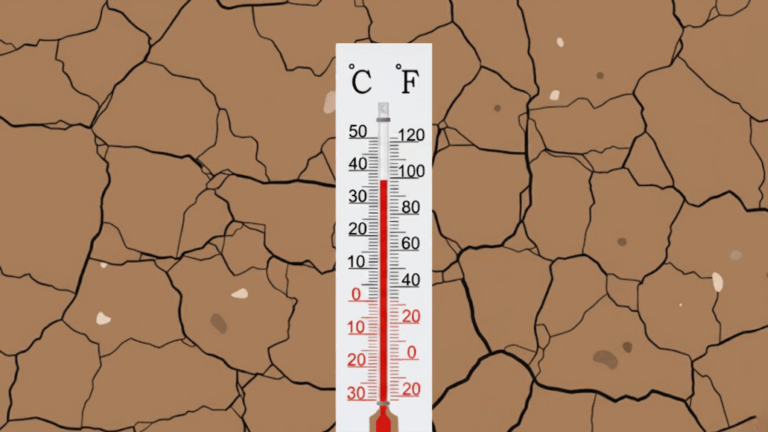
July 4th 2023 was the hottest day on earth ever recorded.
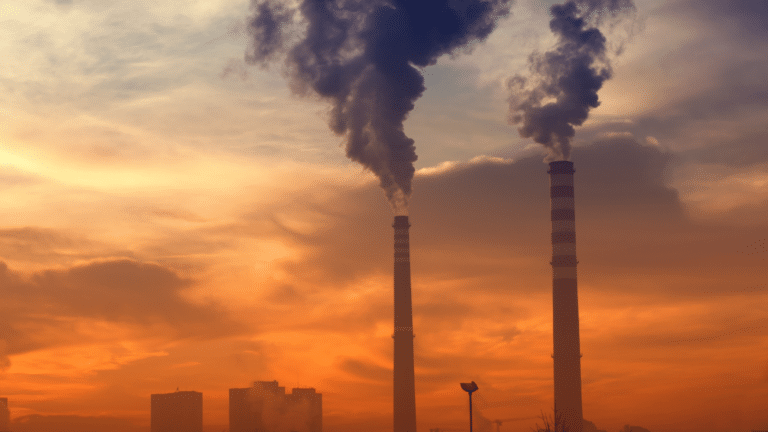
The prevalence of extreme heat, which dramatically impacts quality of life and the built environment, highlights the urgency of tackling the climate crisis. In the U.S., the Environmental Protection Agency (EPA) works to reduce the greenhouse gas emissions known to exacerbate global warming.
The EPA’s new regulations aim to further limit pollution from power plants and vehicles and avoid hundreds of millions of metric tons of C02 emissions. These regulations would also prevent health issues and deaths.
Even with the upsides, the EPA still faces obstacles to these proposals. Most significantly, the Supreme Courts’ West Virginia vs. EPA ruling limits the agency’s ability to impose new emissions standards. Additionally, some professionals and legislators worry the technology standards on the power sector could impact grid reliability.
So, how will the new regulations play out in practice? Will the EPA be able to implement its agenda? And what will the impact be on industry and communities?
This week host Bill Loveless talks with Michael Regan about the EPA’s proposed regulations to reduce vehicle and power plants emissions, and how the agency plans to deal with pushback.
Michael Regan is the administrator of the Environmental Protection Agency. Over the past two years, he has overseen the agency’s effort to curb emissions from U.S. industry and fight climate change. Prior to his nomination as administrator, he served as the secretary of the North Carolina Department of Environmental Quality. He has also held positions at the Environmental Defense Fund, including associate vice president of U.S. Climate and Energy.
Over the past week, President Trump has intensified pressure on Venezuelan president Nicolás Maduro by targeting the regime’s economic lifeline—oil. The United States has seized two oil tankers...
If it seems like you're hearing a lot more about geothermal energy lately, that's because this clean, firm energy source is at a technological turning point. With roots...

Investment in clean energy technologies is on course to hit a record $2.2 trillion this year, according to the International Energy Agency. That’s more than twice the amount...

The national conversation around climate change is shifting. There’s more focus on energy affordability and demand, as well as on the dual role artificial intelligence plays as both...

On November 6, 2025, in the lead-up to the annual UN Conference of the Parties (COP30), the Center on Global Energy Policy (CGEP) at Columbia University SIPA convened a roundtable on project-based carbon credit markets (PCCMs) in São Paulo, Brazil—a country that both hosted this year’s COP and is well-positioned to shape the next phase of global carbon markets by leveraging its experience in nature-based solutions.
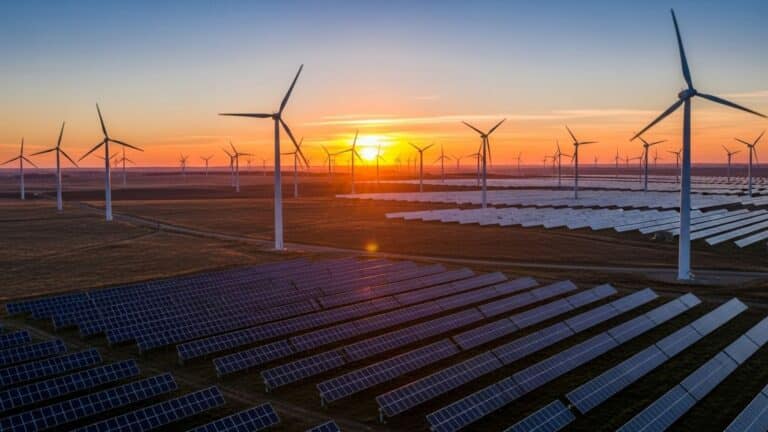
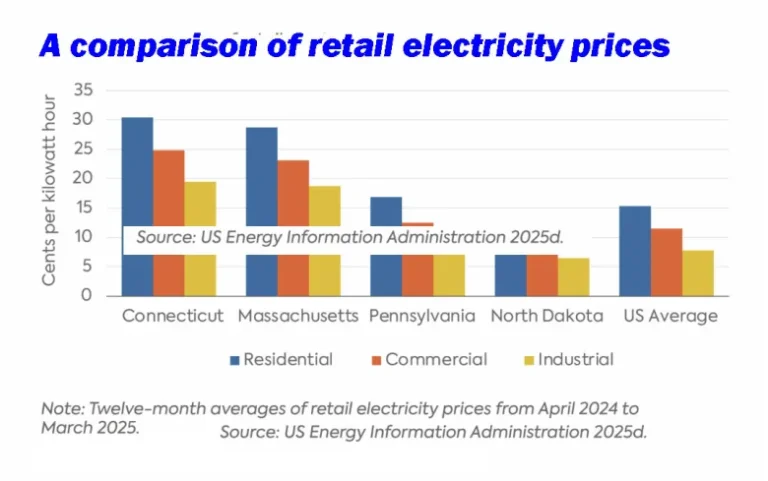
Connecticut needs an honest debate, and fresh thinking, to shape a climate strategy fit for today, not 2022.
As diplomats meet in Brazil for COP30, global resolve to tackle the climate challenge appears badly frayed.